Meta released Muse Wonder and Muse Wonder Full on 12 October, the first frontier models from its Superintelligence Labs, and priced Wonder in its API at $4 per million input tokens and $20 per million output tokens.
Meta’s Superintelligence Labs released two new models on Monday, 12 October 2026, Muse Wonder and Muse Wonder Full, which the company describes as its first frontier models, according to TechCrunch and other outlets. The models are larger than Muse Spark, the earlier model, which was optimised for fast, light inference, and they are aimed at complex tasks such as coding, according to a summary of the coverage.
Meta put particular emphasis on what it calls “active memory”, which is the models’ ability to retain and synthesise information supplied by the user. The summary says that Meta highlighted its MemoryBench test, a benchmark that challenges continual learning and the building of memory, and that on Meta’s own testing Muse Wonder scores higher on it than the models from rival labs. This is the company’s own claim, and independent results were not available in the sources reviewed.
Independent comparison is more mixed. A summary of results on the Artificial Analysis Index says that Muse Wonder Full scored 56 and Muse Wonder 52, close to GPT-6 Astra and Fable 5.1 at 53 each, but behind Opus 5.5, which scored 58. The scores come from a search summary and not from the index itself, and the index is one of several benchmarks.
On price, Muse Wonder is available through the Meta Model API at $4 per million input tokens and $20 per million output tokens, which the summary says is roughly equal to the cost of GPT-6 Sol or Opus 5.5. Muse Wonder Full is not offered through the API and will be available only to subscribers of Muse Code, according to the same summary.
Two developer commentaries are critical. A DEV Community post headlined that the model costs exactly what Opus 5.5 costs and loses nine of Meta’s own 14 benchmarks, and another headlined that it scores big and delivers little. These are opinion posts by individuals, and Delima News has not verified their claims.
The release is a step for a company that has spent heavily on AI. The sources reviewed do not give the amount Meta has invested in Superintelligence Labs or the size of the models in parameters, and the TechCrunch headline simply says that Meta has released its first frontier model.
The wider AI news of the same days included a partnership between the Indian IT services company HCLTech and Anthropic, announced on 12 October, to drive the adoption of agentic AI in business. It includes a dedicated business unit and a centre of excellence and integrates Anthropic’s Claude models and Claude Code into HCLTech’s services, according to a news summary, which describes agentic systems as those that can carry out multiple steps of a task and use tools.
The sources reviewed for Muse Wonder do not say whether the models are open or closed in the way earlier Meta models were, and they do not give a date for wider availability, so those questions remain open.
Delima News will report independent test results for the models when they are published.
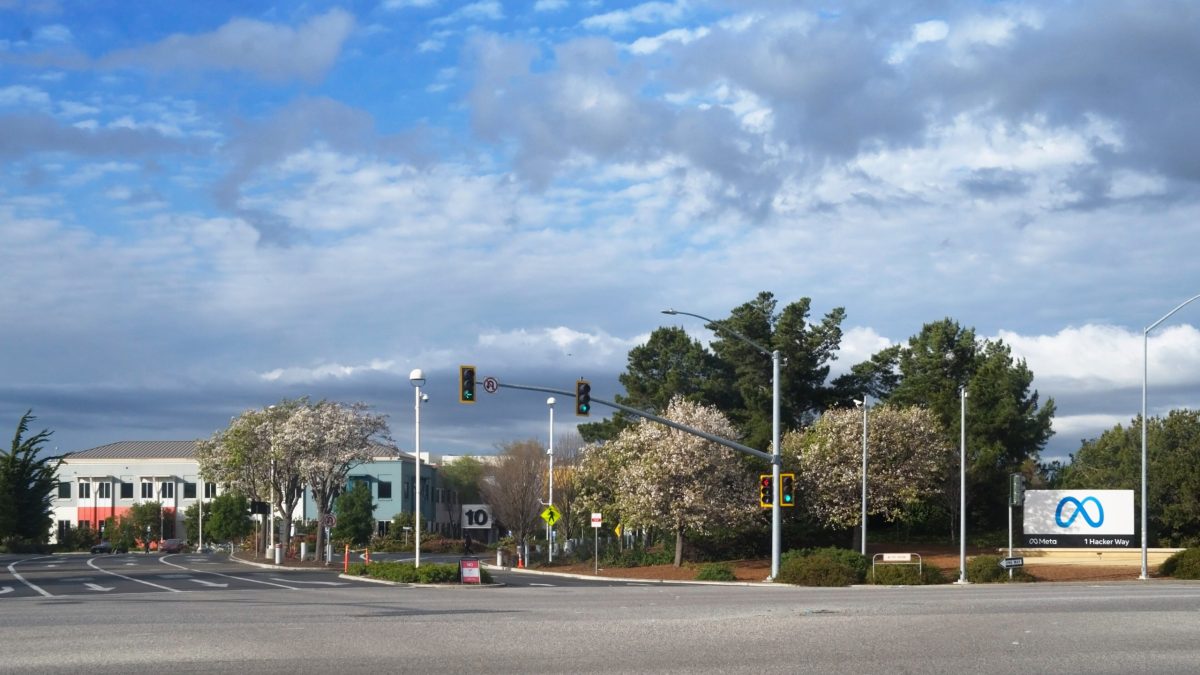
Image: Meta’s headquarters in Menlo Park, California (file photo). Photo: LPS.1 / Wikimedia Commons (CC0)