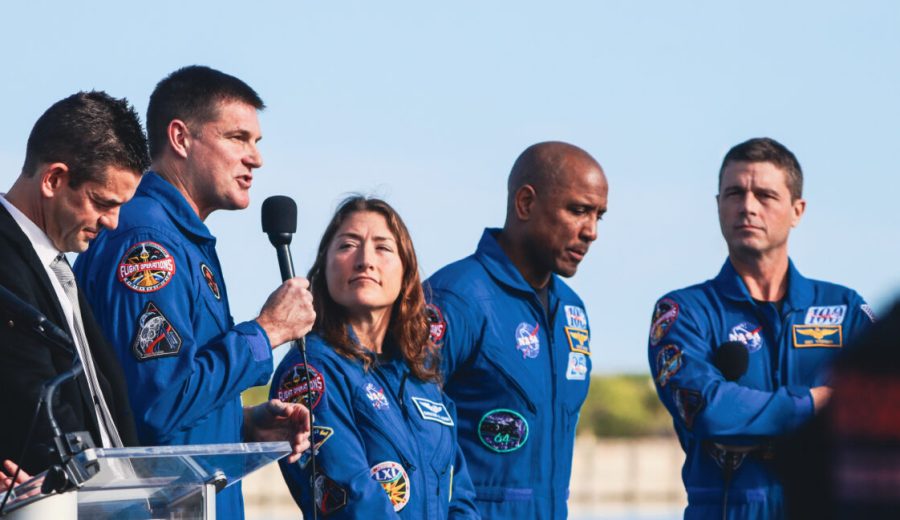
NASA officials have been avoiding direct answers about Artemis II safety concerns during recent briefings. The evasive responses have raised questions about potential mission risks and astronaut safety protocols for the upcoming lunar mission.
Space agency’s evasive responses on mission risks signal deeper concerns about putting astronauts back on lunar trajectory.
NASA’s mission management team chair made a cryptic remark recently. Safety briefings “ought to make for some good reading,” he said. That comment revealed more than intended — officials are grappling with problems they’d rather not discuss publicly.
Reporters recognize this pattern immediately. It’s as familiar as it is telling. Pentagon officials deploy euphemisms when operations go sideways, and NASA’s recent briefings exhibit identical warning signs. By Tuesday evening, three separate attempts failed completely. That is a staggering figure. Reporters couldn’t extract specifics about heat shield anomalies while officials deflected with practiced diplomatic skill.
Anyone who witnessed Columbia’s investigation early phases remembers this dance. Officials minimized technical concerns until they couldn’t ignore them. NASA learned hard lessons about transparency then. Yet here we are again — sources confirmed officials are deploying what one diplomatic insider calls “controlled opacity.” Nobody is saying that publicly, but the timing is striking.
Apollo’s most precarious moments offer instructive precedent. NASA maintained public confidence through selective disclosure then, sharing triumphs while burying technical setbacks in dense engineering reports. Today’s stakes are fundamentally different though. That Cold War space race justified extraordinary risks when national prestige was everything. Artemis operates in a changed world where public tolerance for catastrophic failure has diminished considerably.
But I watched the current posture’s timing reveal everything. Just hours earlier, China announced accelerated lunar timelines, and NASA finds itself caught between competing pressures now. Four astronauts face a trajectory around the moon w
Source: Original Report