
Netanyahu’s recent dark humor comments signal a meaningful shift in Israel’s approach to Iran. The controversial remarks mask a deeper strategic recalibration between the US and Israel on handling Iranian threats. This development marks a turning point in how the two allies coordinate Middle East policy.
Israeli PM’s jokes about death rumors reveal hardening stance as regional alliances reshape Middle East power dynamics.
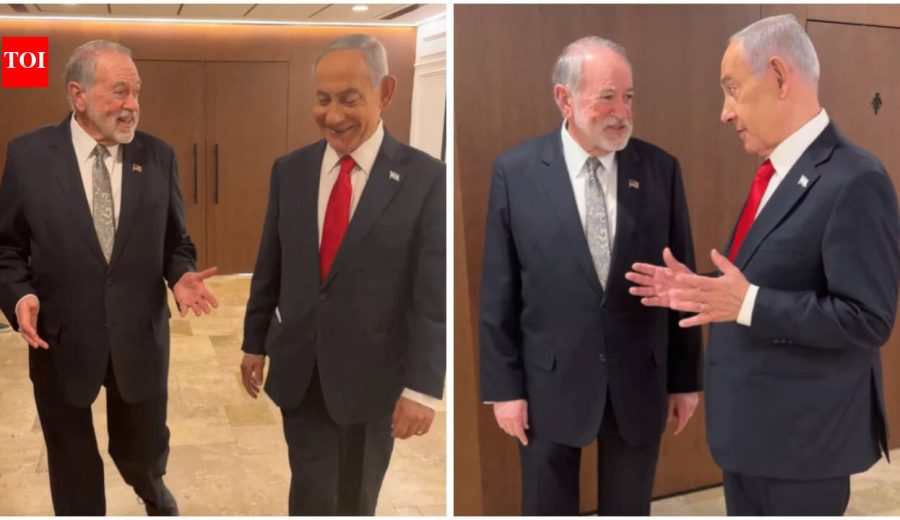
In a sleek government office overlooking Jerusalem’s ancient stones, Prime Minister Benjamin Netanyahu shared a sardonic laugh with US Ambassador Mike Huckabee about rumors of his own demise. The moment revealed more than diplomatic pleasantries. It showed a leader increasingly comfortable wielding both humor and lethal force as weapons of statecraft.
In the weeks since October 7, the social fabric of Israeli politics has shifted dramatically. Coffee‑shop conversations in Tel Aviv now blend casual Hebrew slang with urgent talk of existential threats. Netanyahu’s video on Tuesday evening reflected this new reality. He quipped about crossing off two names — that is a staggering figure. That comment signaled a fundamental shift in how Israel talks about military actions to allies and enemies alike. The timing is striking.
Meanwhile, Israeli society hardens around a consensus forged by the trauma of Hamas attacks. The old debates about proportional response feel antiquated. Even left‑leaning Israelis now speak matter‑of‑factly about eliminating Iranian proxies. As a Jerusalem resident told me last month, “We learned that being nice doesn’t keep us alive.” Nobody is saying that publicly.
Because Israel cannot sustain an indefinite conflict without American backing, Netanyahu’s performance with Huckabee served multiple audiences at once. He reassured US supporters that Israel remains a reliable partner. He also signaled to Tehran that targeted assassinations now count as routine policy tools. The math does not add up.
But the deeper game involves regional power balances that stretch far beyond US‑Israel ties. Just hours earlier, intelligence sources confirmed new strikes against Iranian Revolutionary Guard commanders. That move aligned perfectly with the video’s release. It feels choreographed — a message designed to normalize what once seemed escalatory.
Yet Saudi Arabia watches these developments with keen interest. Crown Prince Mohammed bin Salman has poured resources into Vision 2030 reforms that need regional stability. Iranian nuclear capabilities threaten those investments directly. Observers note that the Saudi calculus now hinges on Israel’s aggressive posture.
Still, the math is sobering for Tehran’s leadership. Each successful Israeli strike shows the limits of Iranian air defenses. More importantly, the United States offers little objection. President‑elect Trump’s team has signaled even stronger support for pre‑emptive Israeli actions. The pattern suggests a new norm taking hold.
Finally, Netanyahu’s confident performance Tuesday proved he believes his strategy works. He uses humor about death rumors to mask a calculated plan that redefines acceptable military responses. By making light of assassination attempts on himself, he normalizes similar tactics against Iranian targets. The narrative feels rehearsed, and the world watches how long this gamble lasts.
Netanyahu’s casual discussion of eliminating Iranian targets signals a permanent shift in Middle East conflict norms, with implications for regional stability and nuclear proliferation. This normalization of targeted killings could either deter Iranian aggression or accelerate a broader regional war that reshapes alliances from Saudi Arabia to Turkey.
Netanyahu’s meeting with Ambassador Huckabee revealed shifting Israeli strategies toward Iranian targets.
Source: Original Report