
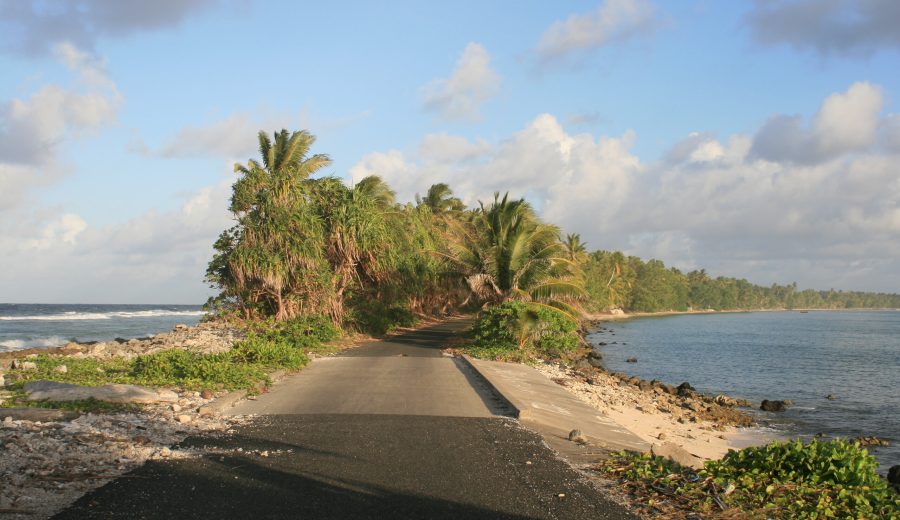
With the world on course to exceed the 1.5°C warming limit, the United Nations has urged governments not to give up on it. Speaking in Tuvalu and Fiji ahead of November’s COP31 summit in Türkiye, the UN’s deputy chief said the task now is to make the overshoot as small and as short as possible.
The United Nations has urged governments to speed up action on climate change rather than abandon the goal of limiting global warming to 1.5°C, UN News reported on October 8.
UN Deputy Secretary-General Amina Mohammed set out the organisation’s priorities at meetings in Tuvalu and Fiji, held to prepare for November’s COP31 climate summit in Türkiye.
‘Keeping 1.5 Alive’
The 2015 Paris Agreement set a target of limiting global warming to 1.5 degrees Celsius above pre-industrial levels. The world is now heading to exceed it.
“Overshoot is not a reason to surrender,” Mohammed said in Tuvalu. “It is a call to accelerate – to make overshoot as short and small as possible and bring temperatures back down below 1.5 as quickly as possible.”
Why the Pacific
Tuvalu and Fiji are island nations facing rising seas and intensifying floods.
“We must take urgent action to ensure every child born today across the Pacific Islands can grow up, prosper and live on the islands they call home,” Mohammed said in Fiji.
Promises Already Made
Mohammed called on leaders to deliver on commitments from earlier summits. At COP28 in Dubai in 2023, governments agreed to:
- transition away from fossil fuels
- triple renewable energy capacity by 2030
- double energy efficiency by 2030
She linked renewable energy directly to energy security, saying it “frees economies from the price swings from impacts of global conflicts on fossil fuels”.
“For the 655 million people still living without electricity, clean power means a mother surviving birth with the lights on, and a child doing her homework after dark,” she said.
Preparing for Impacts
With the effects of warming already being felt, Mohammed also called for stronger protection, including wider use of early warning systems for extreme weather.
“An early warning that reaches a family hours before a cyclone gives them time to get to safety,” she said.
Such systems, she said, must be backed by resilient infrastructure, secure water supplies and healthy ecosystems.
The Money
Mohammed said developed countries should take the lead on funding. She pointed to the Baku to Belém Roadmap, which aims to mobilise at least $1.3 trillion a year in climate finance for developing countries by 2035.
The money must also be easy to reach. “A small island ministry with a handful of staff should be able to reach concessional finance quickly and simply,” she said.
The Message
UN News noted that record-breaking heat, devastating floods and an unprecedented El Niño pattern are making climate action more urgent.
“Keep the promise of Paris, fight harder, and make the tragic overshoot as small and short as possible,” Mohammed said.
Image: Northern Funafuti, Tuvalu (file photo, 2011). Photo by Davidarfonjones via Wikimedia Commons, CC BY-SA 3.0.