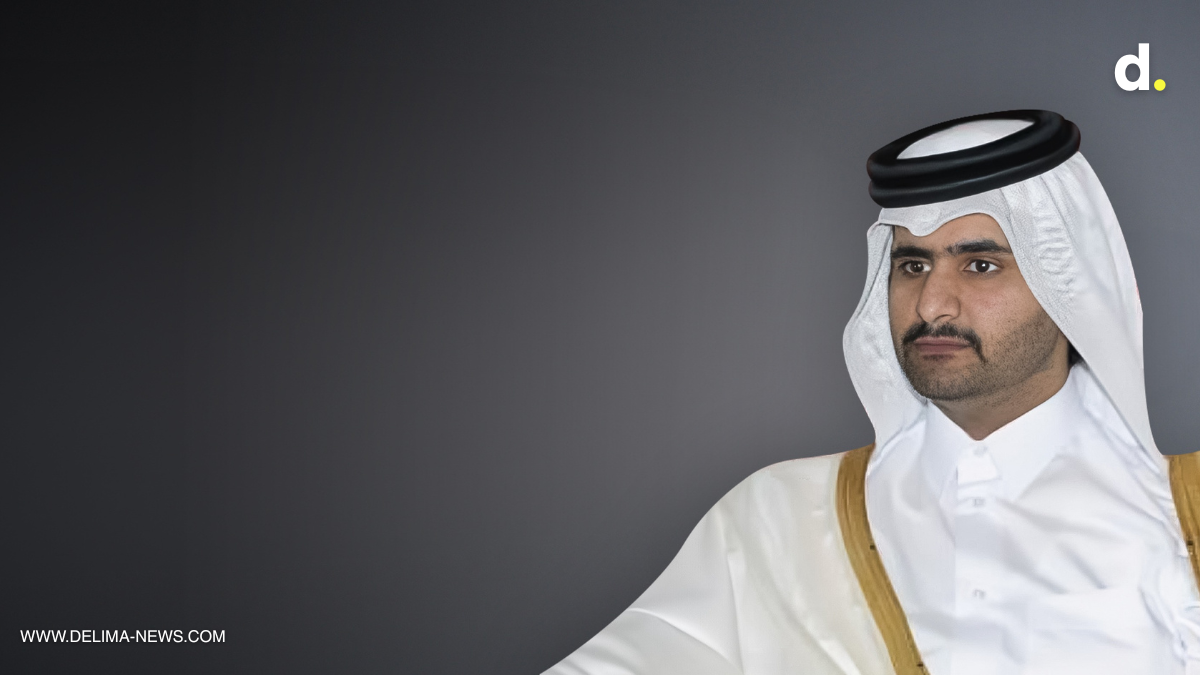
Qatar’s Deputy Prime Minister and Minister of State for Defence Affairs, Sheikh Saoud bin Abdulrahman Al Thani, warned on October 19, 2026, that the global energy shock from the Iran war has yet to peak, according to Al Jazeera. Speaking at the Global Security Forum in Doha, he said: “We haven’t reached the peak with respect to energy,” and cautioned that further consequences should be expected in the coming months. He also said: “Transit fees should not be applied” in the Strait of Hormuz, and that more than 90 percent of attacks have been prevented through decades of defence cooperation with the United States. Brent crude was trading at about $108 a barrel, Reuters reported.
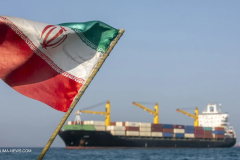
The case that the warning is well founded rests on the market and on the damage already done. Brent crude fell 1.8 percent to $107.83 a barrel on Monday, a level that remains above $100, and Saxo Markets reported that it had touched $110 for the first time since May before easing. The Strait of Hormuz carried about a fifth of global trade in oil and liquefied natural gas before the war, according to The Spokesman-Review, and it remains largely closed. Al Thani noted that Iranian strikes damaged Qatar’s Ras Laffan industrial complex in March 2026 and that repairs are expected to take several years, so part of the world’s gas supply from the country is still affected. He also said Qatar shot down two Iranian warplanes during an attack on the Al Udeid air base in early March. A shipping route that carries a fifth of trade cannot close for eight months without lasting consequences.
The case that the worst may be over is also supported by recent events. Oil fell on Monday after Trump waived some sanctions on Russia, and prices are below the $110 level reached earlier, Reuters and Saxo reported. Iran has offered to reopen the strait on the sixth day of a seven-day plan if its conditions are met, and the United States has provided written comments that Tehran is reviewing, as The Spokesman-Review reported. Al Thani said Qatar “never stops” communication with Iran, and that more than 90 percent of attacks were prevented, which suggests defences are working. The Qatari minister also announced preparations for a new regional defence partnership, which could improve the protection of energy facilities.
The warning matters for importers in Asia and Europe, which rely on Gulf oil and gas, and for the Gulf states, which have to protect their facilities while the conflict continues. Qatar is one of the world’s largest exporters of liquefied natural gas, so its view of the market carries weight, and its opposition to transit fees reflects a concern that a permanent toll would raise costs for consumers. For governments planning winter supplies, the warning means that they cannot assume prices will fall soon, even if talks begin.
Qatar’s message is that the energy shock may get worse before it eases. The prices of oil and the state of the strait will show in the coming weeks whether that warning proves right.