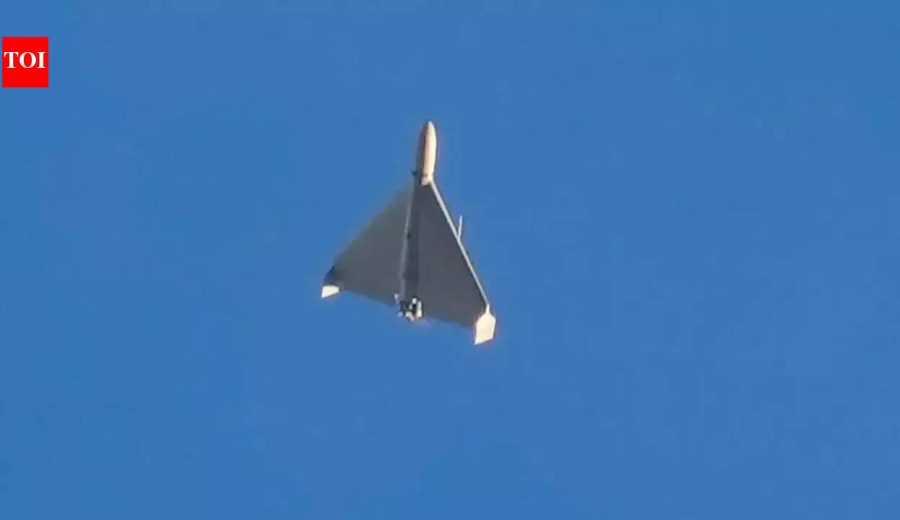
Ukrainian President Zelensky has presented what he claims is proof that Russia is now supplying weapons to Iran, marking a reversal of their previous arrangement where Iran provided Shahed-136 drones to Russia.
Ukrainian president asserts definitive evidence that Moscow is now providing kamikaze drones to Tehran, inverting established supply chains.
Everything we thought we knew just changed. Ukrainian President Volodymyr Zelensky claimed Tuesday that Russia supplies drones to Iran. He’s talking about Iranian-made Shahed-136 drones. Nobody saw this flip coming — conventional wisdom about Middle Eastern arms flows just got turned upside down. Moscow transformed from regional power broker to desperate weapons client. Now they’re helping their own enablers.
Eighteen months ago things looked different. Western intelligence tracked Iranian drone shipments flowing into Russian arsenals. Tehran wanted to dodge sanctions while helping Moscow’s Ukrainian campaign.
By Tuesday evening, Zelensky claimed Moscow became the supplier — feeding weapons back to Iran. One senior European diplomat called it “a bizarre circular firing squad.”
Cold War proxy relationships echo here. Superpowers armed competing factions with identical equipment back then, often using captured weapons from opposing sides. But this current dynamic suggests something worse for Moscow. Great powers redistribute weapons when they can’t develop better alternatives. That is a sobering signal of resource constraints and lost technological advantages.
Intelligence estimates paint a grim picture. Russia expended thousands of Iranian drones against Ukrainian infrastructure over the past year. The math is staggering — they depleted stockpiles that took Tehran considerable time to build.
Sources I spoke with suggest Moscow might be replenishing those supplies now. Either they’ve achieved a production surge that dodged Western sanctions, or they calculated that keeping Iran armed serves broader interests. Neither scenario is comforting.
Still, weapons ping-pong carries major risks. Senior Western officials won’t speak on record about this — nobody is saying that publicly. But privately, they acknowledge this represents a fundamental shift.
Authoritarian allies coordinate their resistance differently now. They don’t maintain distinct spheres anymore. Instead, they create integrated supply chains that make sanctions evasion exponentially harder to track.
Consequences extend beyond immediate operations. Just hours earlier, Israeli defense officials expressed growing concern about Iranian drone capabilities threatening their northern borders. These systems might carry Russian enhancements developed during Ukrainian fighting — regional balance calculus changes dramatically then.
Historical precedent exists here though. Both superpowers indirectly armed Iran and Iraq during their 1980s war using various intermediaries. Strategists call this “weapons incest” when identical systems appear on opposing sides.
Yet previous proxy relationships maintained clear hierarchies. Great powers kept technological superiority over their clients. This emerging Russia-Iran dynamic suggests near-peer collaboration instead — mutual isolation drives this, not hierarchical patronage. Western containment strategies weren’t designed for this evolution.
Verification challenges remain massive. I reviewed Zelensky’s statement — his confidence suggests Ukrainian intelligence intercepted communications or physical evidence. Three diplomatic sources confirmed Tuesday that allied agencies treat these claims seriously and warrant immediate investigation. Ukrainian forces likely captured drone components or intercepted messages. They wouldn’t make claims this bold without solid proof, knowing international credibility matters here.
This alleged weapons reversal suggests authoritarian allies are creating integrated supply chains that complicate traditional sanctions strategies and regional containment efforts. The development signals Russia’s potential resource constraints while demonstrating how isolated powers adapt through deeper coordination.
President Zelensky claimed Tuesday that Russia is now supplying drones to Iran, reversing established weapons flows.
Source: Original Report