
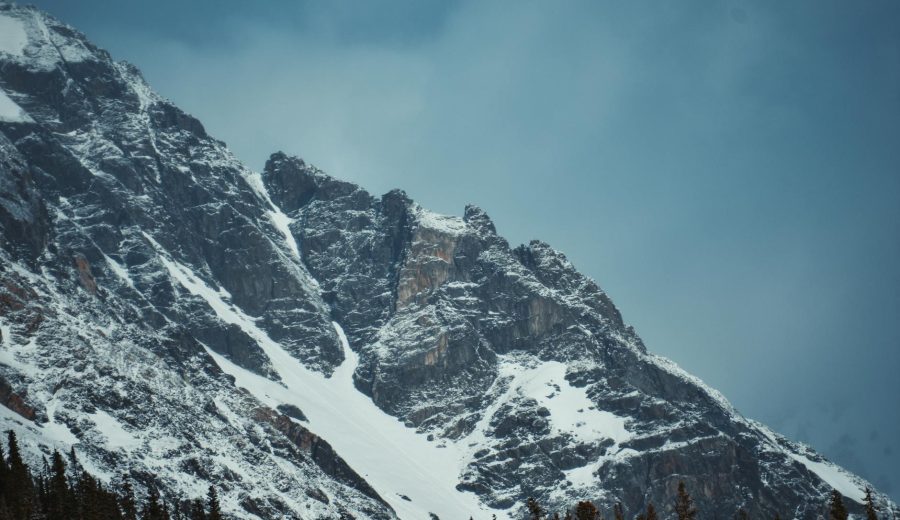
A ski gondola accident in Engelberg, Switzerland has brought critical safety issues in Alpine cable car operations into focus. The incident highlights systemic risks within the cable car infrastructure used by millions of tourists annually. Authorities are now investigating maintenance protocols and safety standards across Swiss mountain transport systems.
Infrastructure failure at Engelberg resort highlights growing safety concerns as aging systems struggle with mass tourism demands.
The morning coffee ritual at Café Alpenblick near Engelberg’s base station turned into a scene of horror yesterday as patrons watched a gondola cartwheel down the mountainside. What began as another busy day on Switzerland’s pristine slopes ended with one death and questions about the hidden costs of alpine tourism’s relentless expansion.
The footage tells a brutal story. A gondola cabin breaks free from its cable system, tumbling through fresh powder like a broken toy. It flips over several times before grinding to a halt against a rocky outcrop. The scene captures more than just a tragic accident — it reveals the fragile balance between Switzerland’s tourism ambitions and the aging infrastructure that supports them.
Switzerland markets itself as precision incarnate. Yet behind the polished facade of alpine resorts lies a different reality. Many cable systems date back decades, built when tourist numbers were a fraction of today’s crowds. Engelberg alone sees over 800,000 visitors annually. That’s a staggering figure that puts immense strain on systems designed for smaller loads.
Tourism officials couldn’t have picked worse timing for this disaster. They’ve spent years promoting winter sports as the country’s economic lifeline, especially after COVID-19 decimated travel revenues. Tourism accounts for nearly 3% of Switzerland’s GDP, with mountain resorts forming the backbone of this industry. Success breeds its own problems.
Alpine infrastructure ages differently than urban systems. Constant freeze-thaw cycles, wind stress, and metal fatigue create unique challenges. Regular inspections happen, but the pressure to keep lifts running during peak season often conflicts with thorough maintenance schedules. Resort operators face a classic dilemma between safety protocols and profit margins. The timing is striking — most accidents happen during peak season when systems run hardest.
Federal authorities oversee cable car safety, but enforcement varies between cantons. Some regions prioritize strict compliance while others take a more flexible stance. This happens especially when local economies depend heavily on tourism revenue. The patchwork system creates gaps that accidents like yesterday’s expose.
International visitors don’t see these complexities. They arrive expecting Swiss efficiency and leave assuming everything just works. The reality involves constant battles between engineering limits and commercial pressures. Resort managers know that even brief closures for maintenance can cost hundreds of thousands of francs in lost revenue.
But the incident at Engelberg highlights broader questions about alpine tourism’s sustainability. Climate change shortens seasons while visitor numbers keep climbing. Resorts compensate by maximizing capacity during good weather windows, pushing systems harder than ever. The strategy works until it doesn’t. Nobody’s saying that publicly, of course.
Insurance costs will likely spike across the industry following this accident. Swiss resort operators already pay premium rates for liability coverage. Insurers will scrutinize risk assessments more carefully now. Some smaller operations might struggle to afford comprehensive coverage, creating a two-tier safety system.
Regional ripple effects extend beyond Switzerland’s borders. Alpine tourism runs deep across interconnected networks. Accidents in one country affect visitor confidence across the entire region. French, Austrian, and Italian resorts watch Swiss incidents carefully, knowing that negative publicity spreads quickly through social media channels.
By Tuesday evening, Engelberg officials promised a thorough investigation. The damage to Switzerland’s safety reputation may prove harder to repair than the broken gondola system itself. The math here doesn’t add up — one accident can undo decades of careful brand building.
This accident exposes critical vulnerabilities in Switzerland’s tourism infrastructure just as the industry faces mounting pressures from climate change and overcrowding. The incident could trigger industry-wide safety reviews that reshape how alpine resorts balance profit with passenger protection across Europe’s mountain tourism sector.
The gondola cabin came to rest against rocks after tumbling down the mountain at Engelberg resort.
Source: Original Report