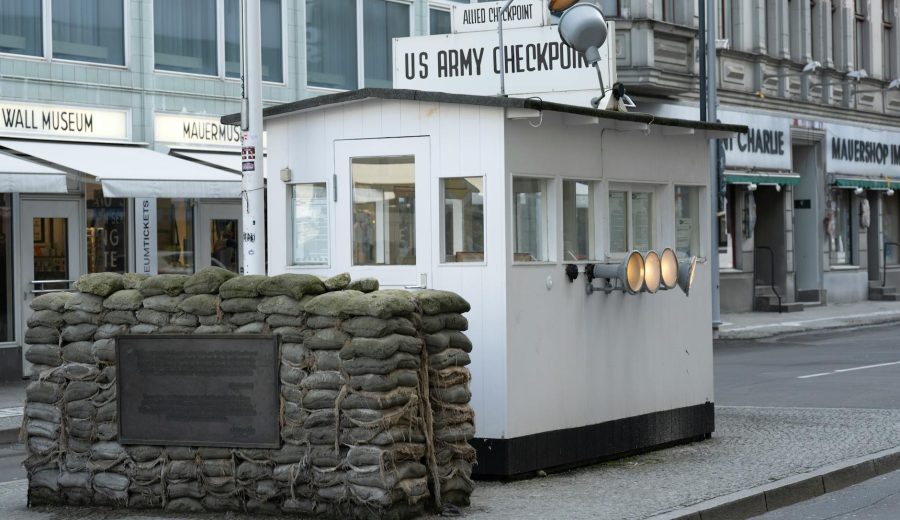
Tehran authorities have expanded checkpoint operations throughout the capital city, signaling an intensified security presence. This development reflects Iran’s response to ongoing civil unrest. The proliferation of checkpoints marks a significant shift in Tehran’s security infrastructure.
Security forces deploy new surveillance measures throughout Iranian capital to preempt anti-government demonstrations.
The aroma of cardamom tea mingles with tension at Café Naderi, where Tehranis speak in hushed tones about the new reality outside their windows. Just three blocks away, armed guards scrutinize identity cards at freshly erected checkpoints, transforming the capital’s familiar rhythms into something altogether more watchful and wary.
Across Tehran’s sprawling neighborhoods, from the affluent northern districts to the working-class south, the scene repeats itself. Residents describe a city increasingly divided by security cordons. Moving between districts now requires navigating questions about destination and purpose. As one shopkeeper near Tajrish Square put it, “They’re reading our faces like prayer books, looking for signs of dissent.”
This escalation represents more than routine crowd control — it signals the Islamic Republic’s recognition that even the smallest spark can ignite widespread unrest. Economic grievances run deeper than the Caspian Sea here. The timing is striking, coming just months after nationwide protests that began with fury over mandatory hijab rules but quickly evolved into broader challenges to clerical authority.
Government officials reveal the delicate mathematics of authoritarian survival in modern Iran through their response. By Tuesday evening, social media channels buzzed with reports of similar checkpoints appearing in Isfahan, Shiraz, and Mashhad. The message couldn’t be clearer. Dissent will be strangled in its cradle, before it can find voice or momentum.
But Tehran’s security theater unfolds against a backdrop of mounting economic pressures that no checkpoint can contain. Inflation continues its relentless climb. Unemployment among university graduates hovers near crisis levels, and the national currency remains as fragile as autumn leaves. The math is sobering for ordinary families struggling to afford basic necessities while watching their purchasing power evaporate.
Leadership finds itself walking an increasingly narrow tightrope these days. Heavy-handed security measures may prevent protests from materializing, but they also amplify the very grievances that fuel popular anger. Each checkpoint becomes a daily reminder of the state’s fear of its own people. Each search creates a small humiliation that accumulates over time like sediment in a riverbed.
Regional dynamics add another layer of complexity to Tehran’s calculations. Officials watch nervously as protest movements across the Middle East demonstrate how quickly street demonstrations can overwhelm even well-prepared security apparatus. The echoes of the Arab Spring still reverberate through the halls of power, serving as both warning and instruction manual for preventing similar upheavals.
Just hours earlier, government officials insisted these measures represent temporary precautions rather than permanent policy shifts. Such assurances ring hollow to residents who’ve watched their city transform into something resembling a military zone. The checkpoints may disappear eventually. The psychological impact lingers like smoke from a snuffed candle.
Yet the broader implications extend beyond Iran’s borders entirely. This crackdown offers a preview of how authoritarian governments worldwide might respond to future social unrest. They’re using technology and traditional security methods to create what amounts to predictive policing on a citywide scale. Nobody is saying that publicly.
Still, for weeks now, Tehran residents have adapted to this new reality with the weary resignation of people who’ve weathered many storms. They’ve learned which routes avoid the heaviest security presence, which conversations to save for behind closed doors. The city breathes differently under surveillance — shallower, more cautious, constantly aware of watching eyes.
Tehran’s expanding checkpoint system represents a significant escalation in the Islamic Republic’s efforts to prevent popular uprisings before they begin. This preemptive approach to crowd control could become a model for other authoritarian governments facing internal dissent. The measures also highlight the regime’s deep anxiety about its legitimacy among ordinary Iranians, particularly younger generations increasingly disconnected from revolutionary ideals.
Security personnel examine documents at one of several new checkpoints established throughout Tehran’s city center.
Source: Original Report