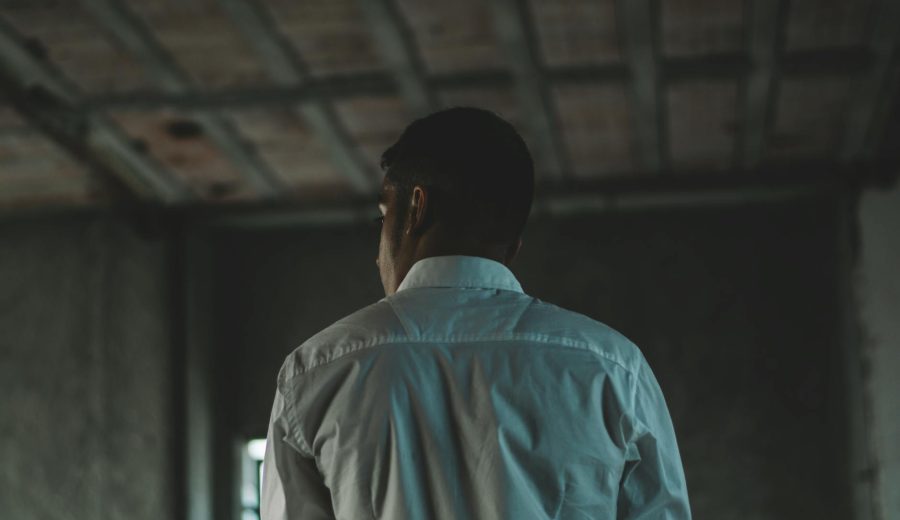
Tehran authorities have intensified enforcement operations across city streets, marking an escalation in government response to ongoing protests. Security forces have expanded their presence in key areas, implementing stricter control measures. The crackdown reflects Iran’s hardening stance against dissent and public demonstrations.
New security checkpoints across Iran’s capital reveal the state’s quiet campaign to strangle dissent before it breathes.
The morning rush at Café Naderi unfolds with practiced caution, patrons checking their phones with sidelong glances before quickly pocketing them. What was once Tehran’s most vibrant intellectual hub now mirrors the city’s broader transformation into a maze of unspoken surveillance, where the aroma of cardamom tea mingles with the metallic tension of a state preparing for battles it hopes never to fight.
Checkpoints appeared like mushrooms after rain, sprouting across Tehran’s arterial roads with the quiet efficiency that marks Iran’s security apparatus. By Tuesday evening, residents described a city where spontaneous movement has become a calculated risk. Each journey requires mental mapping around potential stops and searches. The timing is striking — just as regional tensions escalate and economic pressures mount, the Islamic Republic has chosen preemptive control over reactive governance.
Security theater doesn’t capture what’s really happening here. This is about rewriting the social contract between state and citizen, transforming public space into surveilled territory. The morning commute has become an exercise in compliance, where young Iranians who once pushed boundaries through fashion choices or digital expression now navigate a landscape designed to remind them of the state’s reach. It extends into every corner of daily life. That is a sobering reality.
Yet economic pressures beneath these security measures tell a deeper story. Iran’s currency continues its relentless slide while sanctions bite deeper into middle class aspirations. Construction cranes that once promised prosperity now stand frozen against Tehran’s smoggy skyline — monuments to stalled dreams rather than symbols of progress. These security measures arrive precisely when economic frustration should be boiling over into social unrest. History teaches hard lessons here. Economic grievances become political movements when people can gather, organize, and march.
Digital surveillance complements the physical barriers, creating what security analysts call “360 degree awareness” of potential dissent. Social media monitoring has evolved beyond simple keyword tracking to behavioral pattern analysis. Authorities now identify potential organizers before they fully recognize their own intentions. The regime learned from the 2009 Green Movement and the 2019 fuel protests. They’re not waiting for crowds to form this time. Nobody is saying that publicly, but the strategy is clear.
Regional power calculations add another dimension to Tehran’s security matrix. Syria’s Assad faces renewed pressures while proxy conflicts stretch Iranian resources across multiple fronts. Domestic stability becomes paramount when external challenges multiply. The government can’t afford simultaneous battles on multiple axes. Each checkpoint communicates what words cannot — Iran’s leadership believes it’s entering a period where internal weakness invites external pressure.
But heavy handed prevention can create the very resentment it seeks to avoid. The morning conversations at Café Naderi reveal a population growing weary of living under constant suspicion. The state may be preventing protests, but it’s also preventing the normal life that gives people reasons to support their government. For weeks now, ordinary Iranians have watched their city transform into something they barely recognize. The math doesn’t add up — you can’t build loyalty through fear indefinitely.
Still the regime doubles down on this approach. Officials believe they can successfully contain dissent through persistent low level control rather than dramatic crackdowns. They’ve studied other authoritarian playbooks where gradual restriction proves more effective than sudden severity. The question remains whether this strategy prevents unrest or creates conditions for larger explosions when economic and social pressures inevitably find outlets.
Iran’s preemptive security measures signal a regime increasingly afraid of its own people, choosing control over legitimacy. This approach could either successfully prevent unrest or create the very conditions for larger explosions of popular anger when economic and social pressures inevitably find outlets.
Vehicles queue at one of several new security checkpoints established across Tehran in recent weeks.
Source: Original Report