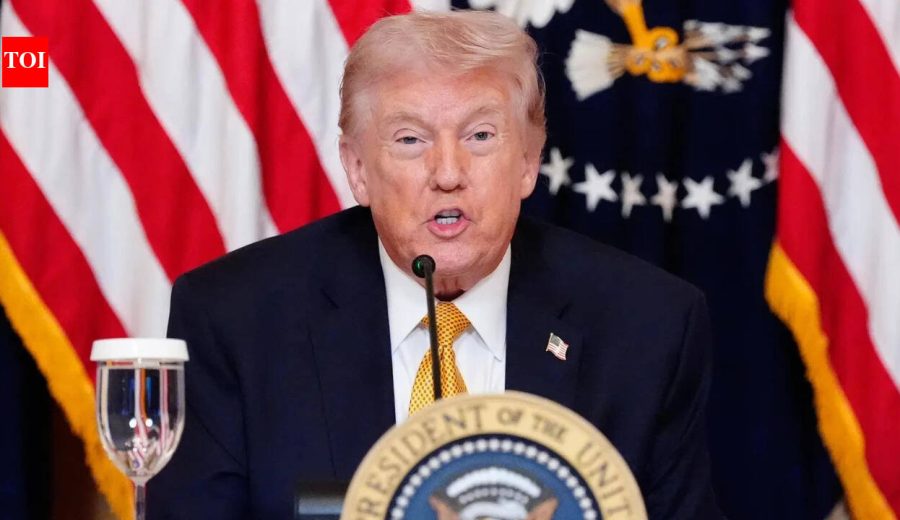
Trump announced that Iran has been “obliterated” amid escalating tensions in the Middle East. The statement coincides with significant disruptions to shipping traffic through the Strait of Hormuz, a critical global trade route. The situation raises concerns about oil prices and international commerce.
US president’s military boasts meet cold shoulder from allies reluctant to patrol vital waterway.
Smoke from Turkish cigarettes mingles with salt air at Café Bosphorus in Dubai’s old quarter, where shipping executives huddle over morning newspapers. Their conversations break for nervous glances at maritime insurance quotes. Trump’s declaration that Iran has been “literally obliterated” echoes through the Gulf’s trading floors, yet the Strait of Hormuz remains as treacherous as ever for tankers carrying the region’s lifeblood.
American presidential bombast carries the familiar rhythm of a marketplace haggler, but ledgers tell a different story. Trump touts his 7,000 strikes against Iranian positions. The insurance premiums for vessels transiting Hormuz have doubled since December. That’s a crushing burden for regional economies. One Emirati port official whispered over his cardamom coffee Tuesday morning: “The Americans count their bombs, but we count our losses.”
Hormuz Strait Traffic and Economic Impact — Delima News Data
But deeper currents run beyond military arithmetic. Trump’s plea for allied assistance in reopening the strait exposes the fundamental contradiction at the heart of American strategy. Washington has positioned itself as the Gulf’s security guarantor for three decades — extracting diplomatic leverage and arms sales in return. When the moment arrives to deliver on those promises, the burden suddenly becomes a collective responsibility. UK allies have rallied around a plan to address the Strait of Hormuz challenge, though commitments remain tentative.
The timing is striking. Just hours after Trump’s claims of Iranian military degradation, Lloyd’s of London reported that maritime traffic through Hormuz remains at barely sixty percent of normal volumes. European allies, burned by previous Middle Eastern adventures, respond with diplomatic silence that speaks volumes. Even traditional partners like Britain offer only lukewarm commitments to patrol missions.
Yet economic reality cuts deeper than political theater. Every day the strait operates below capacity, roughly four billion dollars in energy exports sit trapped behind the chokepoint. Recent Iranian strikes on UAE oil infrastructure have intensified concerns about global energy security. The math is sobering for Gulf monarchies whose budgets depend on steady hydrocarbon flows. Saudi Arabia’s Vision 2030 and the UAE’s economic diversification plans assume reliable energy revenues that current shipping disruptions threaten.
Cruel irony defines the regional predicament. The very social liberalization these kingdoms have pursued — from Saudi women driving to Dubai’s cosmopolitan nightlife — depends on the petrodollar foundation that Hormuz’s closure undermines. New Saudi cinema complexes and Emirati tech hubs represent expensive bets on post-oil futures. They still require oil revenues to materialize.
By Tuesday evening, the regional calculus had shifted once again. Iran’s control over the Hormuz shipping passage remains a critical leverage point. Iran’s silence following Trump’s obliteration claims suggests either genuine military weakness or calculated restraint. Nobody is saying that publicly. The ayatollahs understand geography better than most — they needn’t control Hormuz, merely threaten it, to extract concessions from neighbors whose prosperity depends on unimpeded passage.
Regional coffee houses buzz with a familiar refrain: America promises much but delivers selectively. Trump’s military victories, real or imagined, matter less than his ability to guarantee safe passage for unglamorous tankers that fund the region’s glittering transformation. Without that guarantee, the liberal social reforms and economic diversification that define the modern Gulf risk becoming expensive monuments to misplaced confidence.
Still, the strait remains what it has always been. A twenty-mile-wide reminder that geography trumps rhetoric.
Trump’s claims highlight the gap between American military action and actual security guarantees in the Gulf. The economic cost of Hormuz disruptions threatens the social reforms and diversification plans that define the modern Middle East.
Commercial vessels await clearance to transit the strategically vital Strait of Hormuz waterway.
Source: Original Report