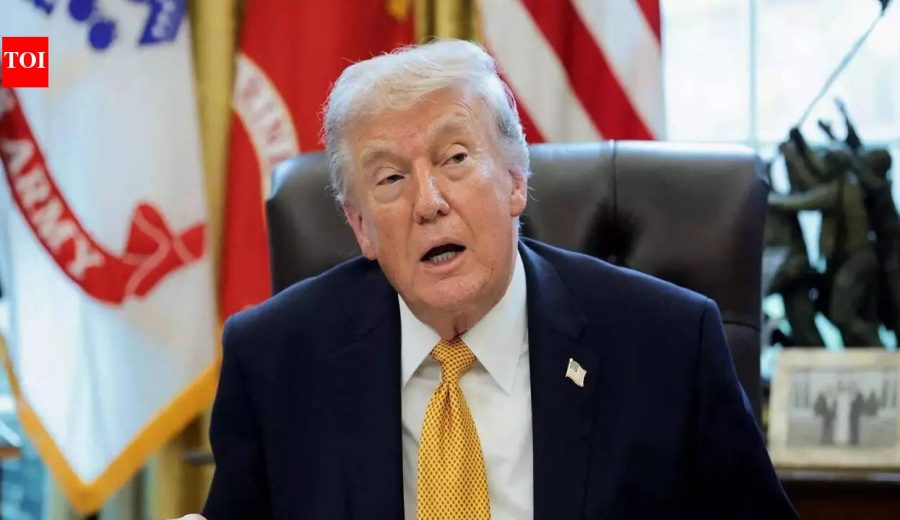
Trump has issued an ultimatum regarding Iran policy that forces Gulf allies into a difficult position. The demand requires these nations to choose between supporting US sanctions and maintaining regional stability. This creates significant diplomatic tension as allies balance American pressure with their own strategic interests.
US president’s demand for military support against Iran puts regional partners in an impossible position between Washington and Tehran.
Evening call to prayer echoed across Dubai’s glittering financial district as diplomats huddled in private majlis meetings, weighing impossible choices. President Trump’s blunt ultimatum to allies has shattered the careful balance Gulf states maintained between their American security guarantor and their Persian neighbor across the water.
Dubai International Financial Centre buzzes with tension these days. Iranian businessmen still sip tea alongside Emirati counterparts despite sanctions. The mood has shifted. Usual pleasantries about weather and family now give way to hushed conversations about red lines and military escalation. These marble corridors, where East meets West in pursuit of profit, suddenly feel like a frontline.
Trump’s message cuts through diplomatic niceties like a desert wind. He wants allies to choose sides, not dance between them. Binary thinking doesn’t work here.
Yet Gulf monarchies face a complex reality that defies simple choices. Centuries of shared waters, intermarried tribes, and economic ties predate the American presence by millennia. Geography doesn’t bend to Washington’s will.
Timing couldn’t be worse for regional diplomacy. Just months after Saudi Arabia and Iran began tentative reconciliation talks, mediated by China and Iraq, Washington demands military solidarity. The kingdom finds itself trapped between its $110 billion defense relationship with America and its newfound pragmatism toward Tehran. Crown Prince Mohammed bin Salman’s Vision 2030 depends on regional stability, not proxy conflicts. Nobody is saying that publicly.
But economics tell a different story entirely. Iran remains the Gulf’s largest non-Arab trading partner, despite sanctions that have more holes than a fisherman’s net. Dubai’s gold souks still process Iranian transactions through Byzantine financial networks. Omani ports quietly help trade that keeps Tehran’s economy breathing. Abu Dhabi’s sovereign wealth funds hedge their American investments with discrete Iranian energy plays.
Numbers don’t lie about these complex relationships. UAE’s non-oil trade with Iran topped $17 billion last year, employing thousands of Iranian expatriates whose remittances sustain families in Isfahan and Shiraz. That’s a staggering figure. Forcing these ties underground would devastate legitimate businesses while empowering smugglers and black market operators.
Qatar learned hard lessons about forced choices. During the 2017-2021 blockade, Doha discovered that Tehran’s friendship came with strings attached. Iranian airspace and food imports sustained Qatar through its darkest hour. This lifeline also showed the dangerous dependency that emerges when regional balances collapse.
Still, regional power dynamics have shifted since Trump’s first presidency. China’s mediation success between Saudi Arabia and Iran showed that America no longer controls Middle Eastern diplomacy. Russia’s continued presence in Syria, despite Ukraine distractions, reminds everyone that alternative security partnerships exist.
Gulf rulers understand what Washington apparently doesn’t. Their legitimacy rests on delivering prosperity and stability to populations that remember the chaos unleashed by American interventions in Iraq and Libya. The phrase “finish off what’s left in Iran” sounds different when you share a narrow waterway with a cornered enemy.
Monday evening brought frantic diplomatic cables between Washington and Gulf capitals. America’s allies weren’t being non-responsive. They were being rational. The timing is striking — Trump’s demand comes just as these nations built careful bridges across ancient divides.
Regional leaders now face an impossible calculation. Support Trump’s ultimatum and risk devastating retaliation from Iran, which could close the Strait of Hormuz and crash global oil markets. Refuse, and potentially lose American security guarantees that have protected them for decades. The math doesn’t add up for either choice.
Trump’s ultimatum forces Gulf allies to choose between their American security partnership and regional stability they’ve carefully built with Iran. This decision could reshape Middle Eastern alliances for decades, potentially pushing traditional US partners toward China and Russia. The outcome will determine whether America maintains its regional influence or finds itself increasingly isolated as allies prioritize their own survival.
Dubai’s financial district represents the complex web of regional relationships that Trump’s ultimatum threatens to unravel.
Source: Original Report