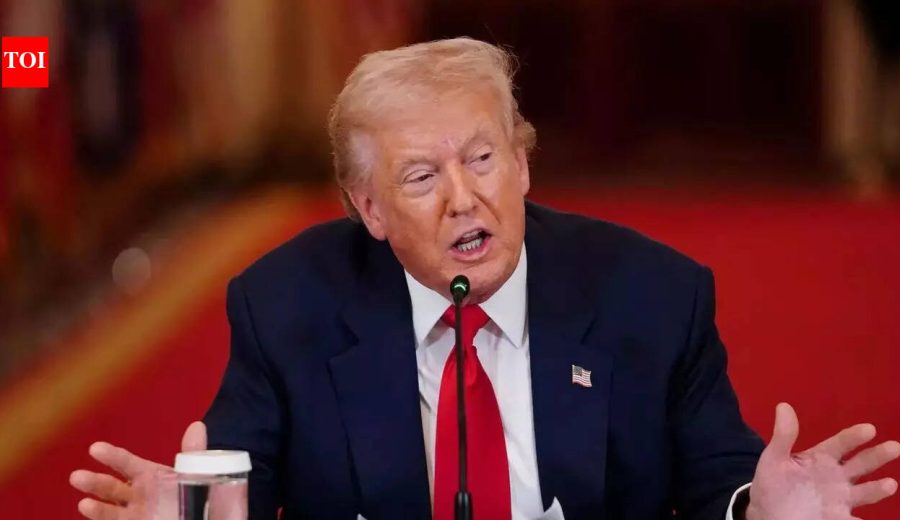
Trump’s aggressive Iran war rhetoric dominates headlines, yet behind the scenes, Russia is consolidating its energy empire across global markets. This strategic misdirection allows Moscow to expand influence while international attention focuses on Middle East tensions. Experts suggest the simultaneous developments reveal deeper geopolitical chess moves reshaping NATO’s energy security.
While Trump threatens Tehran, Russian oligarchs quietly build trillion-dollar pipelines through Iranian territory.
Donald Trump’s bellicose threats against Iran mask a darker game playing out in the shadows. NATO allies distance themselves from American saber-rattling while Moscow’s energy titans cement deals that could reshape global power for decades.
Corruption runs deeper than Trump’s Twitter tantrums. Just hours before his latest outburst about American military superiority, leaked documents from Gazprom revealed a stunning $47 billion pipeline agreement with Tehran. The deal wasn’t signed in boardrooms. FSB handlers hammered it out in luxury dachas outside Moscow, watching every handshake.
Daily Pipeline Delivery and Annual Value — Delima News Data
Follow the money and you’ll find Igor Sechin’s fingerprints everywhere. The Rosneft chief executive has been quietly moving chess pieces across the Middle East while Washington beats war drums. Putin’s former deputy prime minister now runs the show. His Iranian Energy Consortium controls three major pipeline routes from the Caspian to the Mediterranean. The math is sobering — these pipelines could deliver 2.3 million barrels daily, worth roughly $63 billion annually.
But here’s where it gets interesting. European intelligence sources confirm that Sechin’s Iranian partners aren’t just oil executives. Revolutionary Guard commanders launder billions through Swiss accounts linked to Wagner Group operations. The same mercenaries fighting in Ukraine bankroll energy infrastructure that makes Iran untouchable.
Kremlin shadows stretch from Tehran to Berlin. By Tuesday evening, German industrial giants Siemens and BASF had quietly renewed contracts for Iranian petrochemical projects. French energy major TotalEnergies followed suit. Putin’s siloviki network orchestrates these calculated moves — the security elite who’ve turned energy into warfare.
Yet Trump’s NATO allies aren’t refusing American war plans out of principle. They’re protecting investments. Shell owns a $19 billion Iranian gas venture. BP holds Caspian exploration rights. ExxonMobil maintains Iranian partnerships through Kazakh subsidiaries despite public posturing. The timing is striking — every corporate decision aligns perfectly with Moscow’s strategic timeline.
Human costs get buried beneath propaganda and profit margins. Iranian dissidents report that pipeline construction displaced 340,000 villagers in Fars Province alone. That’s a staggering figure. Russian contractors use forced labor camps staffed by political prisoners. Environmental assessments warn of catastrophic damage to the Zagros Mountains ecosystem. Dead journalists tell no tales, and Western boardrooms care little for Persian villages.
Still, the real tragedy isn’t Trump’s isolation or European duplicity. Putin’s energy empire grows stronger while American foreign policy stumbles from crisis to crisis. The siloviki learned hard lessons from Soviet collapse. Control energy flows, control everything else. Nobody says that publicly.
Intelligence analysts worry about cascading effects. Iranian pipelines could come online by 2026, giving Moscow leverage over global oil prices that crashes American shale production. European dependence deepens. Chinese energy security improves dramatically. Putin’s inner circle gets richer while sanctions become meaningless paper. For weeks now, those sanctions haven’t slowed anything.
Money trails lead back to one uncomfortable truth. Trump’s military bluster serves Moscow’s interests perfectly. Every threat against Iran pushes European allies toward Russian energy alternatives. Every NATO fracture strengthens Putin’s position. The math doesn’t add up for America.
Trump’s confrontational stance toward Iran inadvertently strengthens Putin’s energy empire while isolating America from key allies. Russian oligarchs are exploiting Western divisions to build pipeline infrastructure that could dominate global energy markets within five years.
Russian-Iranian pipeline construction continues despite escalating tensions between Washington and Tehran.
Source: Original Report