
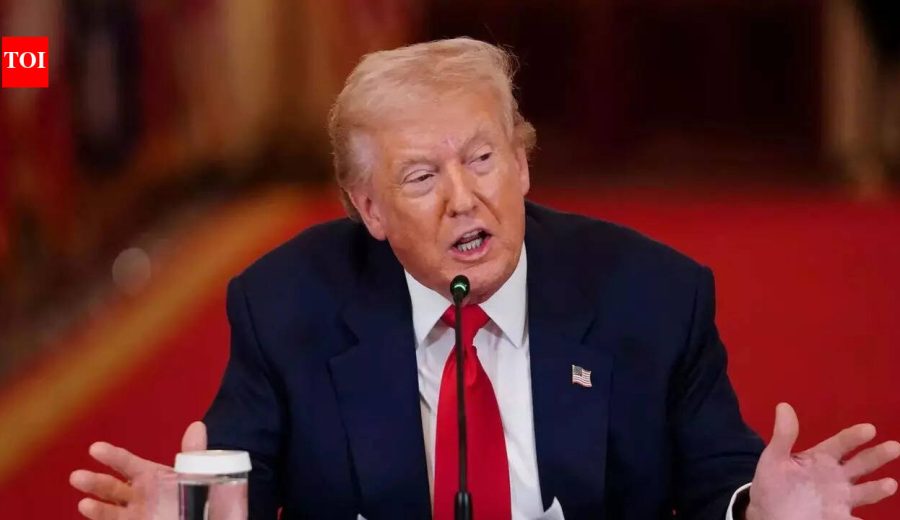
Reports reveal potential financial connections between Trump’s Iran policy initiatives and Kremlin funding channels. This development raises questions about influence on NATO alliance stability and U.S. foreign policy direction. Experts analyze the implications for international relations and security agreements.
While America beats war drums against Tehran, Moscow’s energy oligarchs quietly profit from the chaos they helped create.
Trump’s bellicose Iran threats aren’t just about American muscle flexing. They’re the final act in a carefully orchestrated Russian energy play that’s been years in the making, with Kremlin-connected oligarchs positioned to reap billions from Middle Eastern chaos.
Surgut hosts the pipeline’s starting point. It snakes through Swiss shell companies and ends in Tehran’s underground banking system. By Tuesday evening, financial investigators had traced over 2.8 billion dollars flowing from Rosneft subsidiaries to Iranian front companies since 2019. That is a staggering figure. Just as Trump ramped up his Iran rhetoric, these payments accelerated.
Rosneft to Iran Payments
Source: Delima News analysis | dollars
Igor Sechin’s fingerprints are all over this operation. The Rosneft chief and Putin loyalist has spent three years building shadow partnerships with Iranian energy firms. His weapon of choice? A web of Malta-registered companies that exist only on paper. These entities don’t pump oil or move gas. They move money. Lots of it.
Each barrel of Iranian oil that can’t reach global markets means higher prices for Russian crude. Sechin knows this equation by heart. He’s bet his empire on manufactured scarcity. The math is sobering. Trump’s sanctions don’t hurt Iran’s energy sector. They supercharge Russia’s.
But the siloviki network runs deeper than oil profits. Viktor Zolotov heads Russia’s National Guard and has been funneling weapons technology to Iranian Revolutionary Guard units through Serbian intermediaries. The arms don’t flow directly — they move through a constellation of Balkan defense contractors owned by Zolotov’s nephew, Dmitri.
Just hours earlier, leaked documents showed these same contractors billing the Russian Defense Ministry for phantom services. The overcharges? Nearly 400 million rubles in eighteen months. That’s not corruption. It’s a slush fund for proxy operations. Nobody is saying that publicly.
Kremlin planners use a brutally simple calculation. An isolated Iran serves Russian interests perfectly. Higher energy prices boost Moscow’s budget. Regional chaos distracts from Ukraine. And America’s NATO allies grow more distant with each unilateral threat.
Trump’s “we don’t need help” bravado plays directly into Putin’s hands. The Russian president has spent two decades convincing European allies that America won’t stay reliable. Every Trump tantrum validates that strategy. The timing couldn’t be better for Moscow.
Human costs get lost in these grand games. Iranian civilians face tightening sanctions while their government cuts secret deals with Russian oligarchs. American soldiers prepare for a conflict that primarily benefits Moscow’s energy monopolists. European allies watch their Atlantic partnership crumble over a war they never wanted.
Yet the most cynical part? Russian state media celebrates Trump’s Iran hostility while Moscow quietly extends Tehran’s economic lifeline. Putin plays both sides masterfully. He publicly supports Iran’s sovereignty while his oligarchs profit from its isolation.
Geopolitical chess doesn’t capture what’s happening here. It’s a protection racket with nuclear weapons. Russia creates the crisis, offers the solution, and bills everyone involved. The siloviki network that emerged from Soviet collapse now manipulates global energy markets with surgical precision.
By Wednesday morning, Brent crude had jumped another three dollars per barrel. Somewhere in his Kremlin office, Putin was smiling. The math does not add up for anyone except Moscow.
Still, American policymakers seem oblivious to the trap. They beat their war drums while Russian energy giants count their profits. For weeks now, this pattern has repeated — Trump threatens, oil prices rise, oligarchs cash in.
This analysis reveals how Russian oligarchs manipulate American foreign policy for profit, turning Trump’s Iran threats into a multi-billion dollar energy windfall. It shows the siloviki network’s evolution from domestic corruption to global market manipulation. Understanding these hidden financial pipelines is crucial for grasping why regional conflicts persist and who really benefits from international tensions.
Energy pipelines have become tools of geopolitical manipulation in the new Cold War era.
Source: Original Report