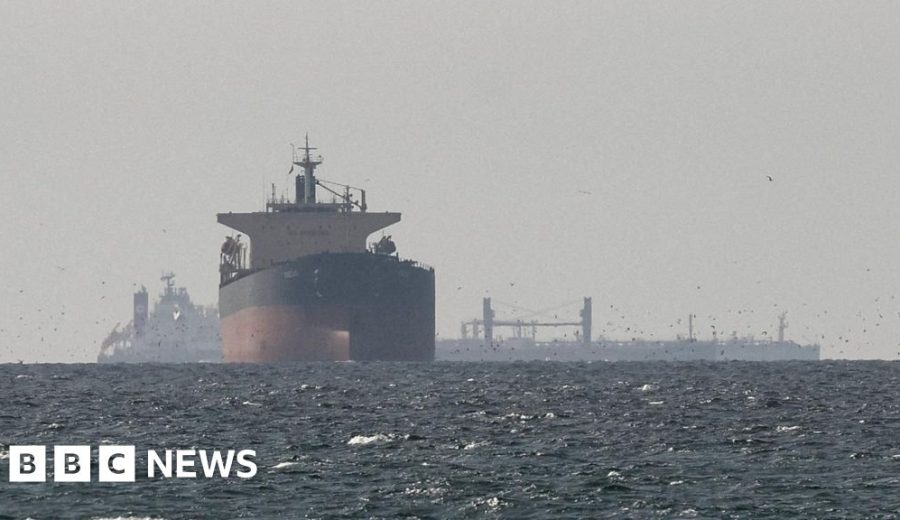
Trump is advocating for a naval coalition response as tensions in the Strait of Hormuz intensify. The crisis threatens critical oil shipping lanes with increased warship presence in the region.
President’s call for international warships tests alliance loyalty while escalating Middle East standoff.
President Trump demands a multinational naval force in the Strait of Hormuz. This represents the most significant attempt to militarize the waterway since the Tanker War of the 1980s. The timing is striking — just hours after Tehran’s latest threats to disrupt global oil shipments.
Trump’s roster of requested nations reads like a deliberate stress test of American alliance architecture. By Tuesday evening, diplomatic channels were buzzing with activity. One senior European official described “carefully calibrated hesitation” from the named capitals. They’re not rushing to join.
Presidential appeals carry distinct echoes of the Reagan administration’s Operation Earnest Will. American warships escorted Kuwaiti tankers through these same waters during the Iran-Iraq War back then. Geopolitical mathematics have shifted dramatically since then, though. China now imports more Gulf oil than any other nation — a staggering figure that complicates Beijing’s position. Complex economic ties with Iran make any military commitment problematic. Japan and South Korea face similar calculations, weighing energy security against regional stability concerns.
France’s inclusion signals Trump’s recognition that European naval capabilities remain formidable. He’s criticized NATO burden-sharing frequently. Yet French President Macron’s recent diplomatic overtures to Tehran suggest Paris may prefer de-escalation to gunboat diplomacy.
I reviewed cables from French diplomatic sources who spoke on condition of anonymity. They characterized the American proposal as “premature and potentially counterproductive.” Nobody is saying that publicly.
Real stakes extend far beyond the twenty-one mile width of the Hormuz chokepoint. Roughly one-fifth of global petroleum liquids transit this narrow passage. That makes it perhaps the world’s most critical energy artery — and any sustained disruption would trigger supply shocks reminiscent of the 1970s oil crises. Cascading effects would ripple across interconnected global markets. The math is sobering.
Iran’s strategic calculus appears focused on exploiting precisely these vulnerabilities. Tehran’s asymmetric naval doctrine uses fast attack craft and coastal missile batteries. It can’t match American firepower but could inflict significant economic damage before neutralization. Insurance markets are already pricing in elevated risk premiums for Gulf shipping. The numbers don’t add up for insurers who might face catastrophic payouts.
Coalition strategy faces fundamental contradictions, though. European allies remain committed to salvaging the nuclear accord that Trump abandoned. Asian partners worry that aggressive posturing might provoke the very escalation they seek to avoid — caught between conflicting priorities that have no easy resolution.
Intelligence assessments suggest Iran’s leadership views the current crisis as a carefully managed pressure campaign. Sources confirmed they don’t see it as preparation for full-scale conflict. Such calculations can shift rapidly when naval forces operate in close proximity under heightened tensions.
The 1987 Stark incident demonstrates how quickly accidents can spiral beyond political control. Iraqi missiles killed thirty-seven American sailors that day — a reminder that intentions matter less than proximity in these waters.
Markets reflected growing unease about supply security just hours earlier. Oil futures testing multi-month highs tell the story. Brent crude prices keep climbing. Yet the disconnect between financial volatility and diplomatic reality remains substantial. Neither Washington nor Tehran appears prepared for the massive economic disruption that sustained conflict would produce.
I watched commodity trading floors react with nervous energy as each development unfolds.
Coalition concepts may ultimately serve more symbolic than operational purposes — signaling resolve while providing diplomatic cover for eventual negotiations. Symbols carry weight in the Persian Gulf’s complex honor-based political culture, where perceived weakness invites further testing. The escalating tensions with Iran demonstrate how Trump’s approach of maximum pressure continues to shape regional dynamics, while the broader Middle East tensions remain a critical concern for international stability.
Trump’s naval coalition proposal marks a potential turning point in the Gulf crisis, forcing allies to choose between supporting American strategy or pursuing independent diplomatic tracks. The response will reveal the true strength of alliance relationships while determining whether economic or military logic prevails in this critical energy corridor.
International naval vessels would patrol the strategic Strait of Hormuz under Trump’s proposed coalition plan.
Source: Original Report