Trump has called for an international naval coalition in response to Iran’s threats to close the Strait of Hormuz. The strategic waterway carries about 20% of global oil shipments, causing oil prices to spike on blockade concerns.
US president seeks international warships as Tehran warns strait will be blocked to ‘enemy vessels’ during conflict.
President Donald Trump says “many countries” have agreed to send warships to the Strait of Hormuz after Iran declared it would shut down the vital waterway to “tankers and ships of enemies” during any war. The threat puts global oil supplies at risk through what’s considered the world’s most critical energy bottleneck. Iranian officials issued the warning as their diplomatic standoff with Washington grows worse over nuclear disputes.
Trump’s push for an international naval force marks a sharp escalation in the Iran crisis. But he didn’t say which countries had promised ships or when they might arrive. Speaking to reporters, the president stressed that keeping the strait open for global trade was essential.
Iranian Revolutionary Guard commanders had made their intentions clear earlier. If fighting breaks out with the United States or its allies, they said, the 21-mile-wide passage gets blocked.
Here’s why that matters: About 21 percent of the world’s oil flows through the Strait of Hormuz. Nearly 19 million barrels pass through daily, according to the US Energy Information Administration. Close it down, and oil prices could rocket past $150 per barrel within days, economists warn.
Iran has played this card before. During the brutal Iran-Iraq War of the 1980s, they threatened the same thing. They did it again when international sanctions squeezed their nuclear program. The geography helps them — at its narrowest point, the strait is just 21 miles wide, with shipping lanes only two miles across in each direction.
The US Navy’s Fifth Fleet, based in Bahrain, already patrols these waters regularly. Iran counters with fast attack boats and has used naval mines in past conflicts. It’s a tense chess match played out in one of the world’s busiest shipping lanes.
Oil companies and shipping firms aren’t waiting to see what happens. Major energy companies have dusted off emergency plans, while insurers are hiking premiums for ships heading through the Gulf. The alternative? A long detour around Africa that adds weeks to delivery times and massive costs for Asian buyers.
European allies find themselves in a bind. France and Britain have naval assets nearby, but neither has publicly signed up for Trump’s coalition yet. They support keeping shipping lanes open but worry about military escalation spinning out of control.
Gulf states like Saudi Arabia and the UAE are calling for diplomacy in public. Privately, though, they’re backing international efforts to keep the oil flowing. Their own economies depend on it.
Both sides seem to be preparing for either war or a deal. Diplomats are working through Swiss go-betweens, trying to find middle ground. Meanwhile, military planners in Washington and Tehran are gaming out scenarios that could reshape the entire Middle East.
A naval blockade of the Strait of Hormuz would trigger immediate global energy shortages and economic chaos, potentially pushing oil prices to crisis levels. Military confrontation in the waterway could explode into broader regional conflict involving multiple nations and force countries to completely rethink their energy security.
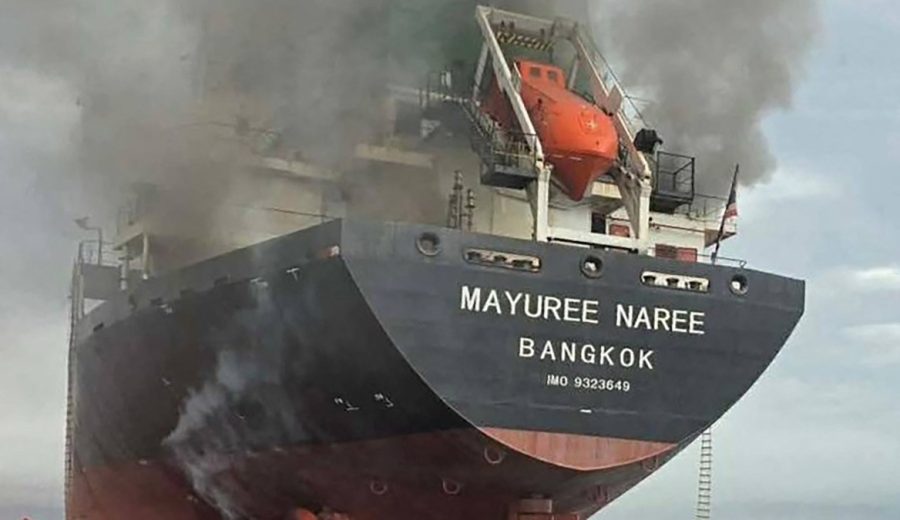
Naval ships monitor shipping traffic in the Strait of Hormuz as tensions escalate between Iran and the United States.
Source: Original Report