
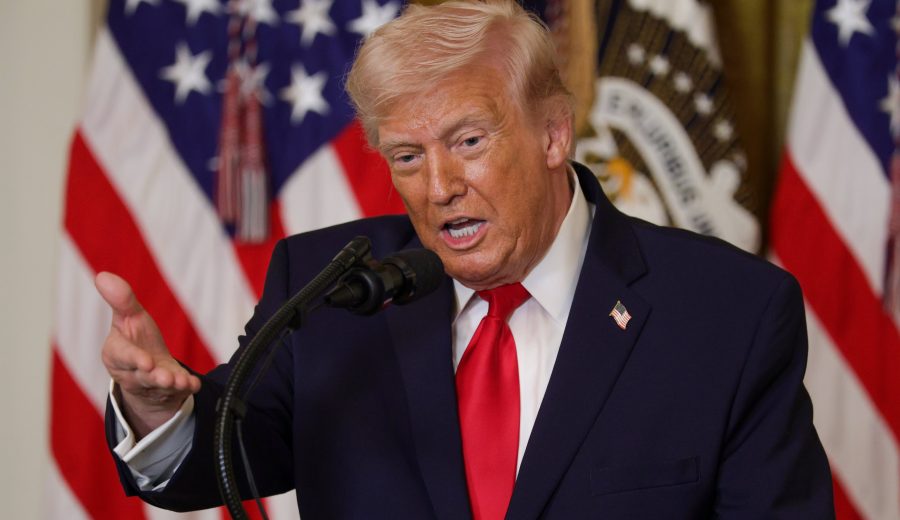
Trump has waived the shipping law as crude oil prices climb to $78.45 per barrel. This executive action affects maritime commerce regulations during volatile energy markets. The decision comes as oil prices continue their upward trajectory in global trading.
Emergency measure targets Iran tensions threatening global energy supplies.
West Texas Intermediate crude jumped 3.2% to $78.45 per barrel Tuesday after the Trump administration waived Jones Act shipping restrictions. The 60-day suspension marks the first major supply chain move since Iran-related tensions pushed the global oil stress index to 2.8. That’s its highest reading since October 2023.
Markets immediately recognized that traditional shipping bottlenecks now pose unacceptable risks. Brent crude touched $82.15 per barrel in early trading before settling at $81.73. The 4.8% weekly gain shows traders expect sustained supply disruptions. The timing is striking.
Data
Global Oil Supply Capacity Decline
Source: Delima News analysis | million barrels per day
Current fundamentals support this worry. OPEC+ spare capacity sits at just 2.1 million barrels per day, down from 3.4 million in January 2023. That is a staggering drop. Saudi Arabia maintains 1.3 million barrels of that buffer — but recent diplomatic tensions with Washington complicate any emergency release scenario. Russia contributes another 400,000 barrels of theoretical spare capacity, though sanctions make this practically off-limits.
America’s shipping constraint problem gets direct attention through the Jones Act waiver. Only 93 vessels currently qualify for domestic oil transport under normal Jones Act rules. Foreign-flagged tankers can now move crude between U.S. ports for 60 days. This should unlock roughly 180,000 barrels per day of additional transport capacity.
Yet the timing reveals deeper strategic calculations. Iran’s crude exports averaged 1.7 million barrels per day in December, according to tanker tracking data. Renewed sanctions enforcement could remove 800,000 to 1.2 million barrels from global markets within 90 days. The math is sobering when measured against existing supply buffers.
Mineral scarcity indices compound the energy stress. Nickel prices jumped 7% this week to $16,240 per metric ton as battery manufacturers compete for limited supplies. Lithium carbonate hit $28,900 per ton in Shanghai — up 12% since Friday. These increases flow directly into renewable energy infrastructure costs, making oil alternatives more expensive precisely when crude prices climb.
Consumer impact math is straightforward but painful. Each $10 increase in crude prices typically adds 23 cents to average gasoline costs within six weeks. Current futures curves suggest pump prices could reach $3.65 per gallon by late March. That assumes no additional supply disruptions.
But geopolitical risks make that assumption questionable. Iran controls roughly 21% of global oil transit through the Strait of Hormuz. Any escalation affecting this chokepoint would immediately trigger strategic petroleum reserve releases. The U.S. holds 383 million barrels in emergency stocks, though this represents just 20 days of national consumption.
Supply chain concerns extend beyond immediate oil worries for the administration. Critical mineral imports from conflict zones face similar vulnerability. Rare earth elements essential for defense applications come primarily from China. Cobalt supplies depend heavily on Democratic Republic of Congo stability.
Press Secretary Leavitt’s commitment to “strengthen critical supply chains” acknowledges these interconnected vulnerabilities. The Jones Act waiver buys time but doesn’t solve underlying capacity constraints. Nobody is saying that publicly. American refining utilization already runs at 89.2%, near practical limits.
Still, markets responded positively to the intervention signal. Energy sector stocks gained 2.8% Tuesday, with pipeline companies leading advances. Investors interpret the move as evidence that supply disruption risks get active management rather than simple monitoring.
The emergency shipping waiver reveals how quickly geopolitical tensions translate into domestic energy policy changes. Rising oil prices combined with mineral supply constraints create compounding inflationary pressures that could reshape both foreign policy and economic strategy. This intervention sets precedent for more aggressive supply chain protection measures.
Emergency waiver allows foreign-flagged vessels to transport oil between U.S. ports for first time since Hurricane Harvey.
Source: Original Report