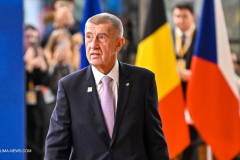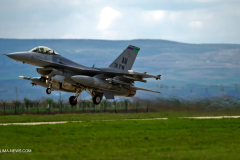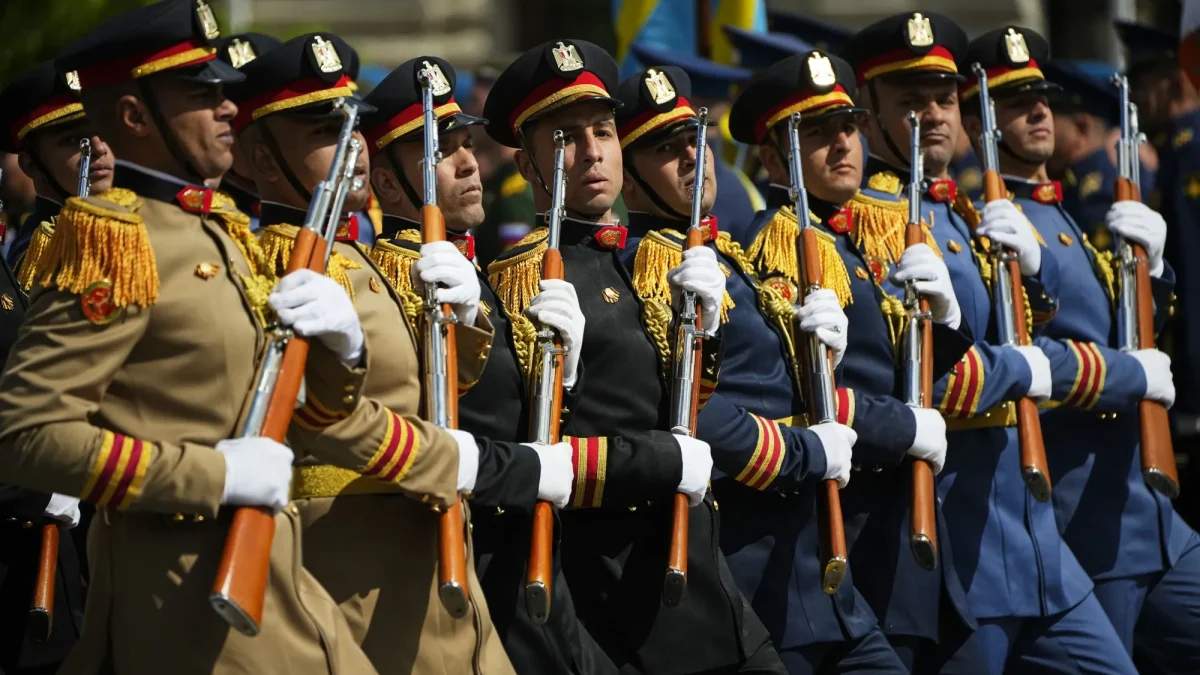
A lawmaker from Turkey’s ruling AK Party said this week that the government will ask parliament for a mandate to send military personnel to Saudi Arabia under the Mecca Joint Defence Agreement, according to a report published by TBS News. The accord, signed in August 2026 by Turkey, Saudi Arabia and Pakistan, must first be ratified by parliament, and the lawmaker said the mandate would be sent once a bill ratifying the accord had been approved. The step is driven by Houthi attacks on Saudi Arabia, and the report said it brings “Nato’s second-largest army closer to a formal mutual defence pledge with Riyadh”. The article gave few details about Pakistan’s role or about Saudi Arabia’s formal response.
The case that the plan strengthens the Gulf’s defences is based on the threat that the accord addresses. The Houthis have claimed attacks on a Saudi Aramco facility in Yanbu, the Shaybah oilfield and the airports in Riyadh and Abha, according to HDFC Sky’s report on oil markets, and attacks of that kind show that Saudi infrastructure is exposed. A three-nation accord, between Turkey, Pakistan and Saudi Arabia, is meant to create a deterrent that none of them could provide alone. A parliamentary mandate gives the deployment a clear legal basis, and ratification before sending troops means that the decision will be debated in public, which supports the accord’s legitimacy within Turkey.
The case for caution is that the plan carries military and political risks that the report does not address. Sending troops to defend another country against a group that is already fighting a war can draw the sender into that conflict, and the Houthis’ attacks have reached cities and oil facilities, which makes any deployed force a possible target. The article did not say how many personnel would go, what their mission would be, or what Saudi Arabia has said, so the scale of the plan is unknown. Turkey is a member of NATO, and a bilateral defence commitment outside the alliance raises questions about how the two sets of obligations fit together. Parliament has not yet voted on the accord itself, and ratification is not guaranteed to be quick.
The plan matters because it would make Turkey a direct military actor in the Gulf, in a region where oil exports and shipping are already under pressure. For Saudi Arabia, a partner with a large army would add to its defences, and for Pakistan, it would deepen a security tie with Riyadh. For the Houthis and for Iran, a visible Turkish presence would change the calculation on future attacks, and for the United States and European countries, it adds another actor to a crowded theatre. The accord was signed only in August 2026, and the report gave no date for the ratification vote or for the mandate, so the timetable is open.
Turkey is moving toward a military commitment in Saudi Arabia, but it must first win a parliamentary vote. The size and mission of any force will show how far Ankara is willing to go.