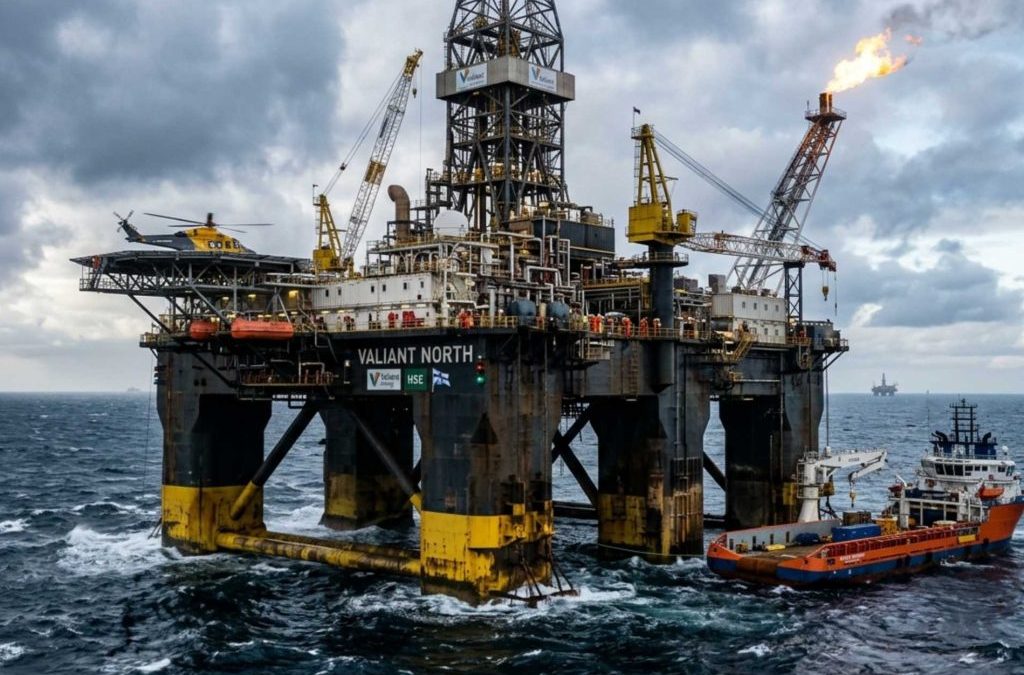
The British government approved the development of the Jackdaw gas field in the North Sea on October 21, 2026, according to Al Jazeera, clearing a project 250 km (155 miles) east of Aberdeen that is expected to start supplying gas at the end of October and to provide about 6 percent of UK gas at its peak. Energy Minister Miatta Fahnbulleh said that cheaper bills were not a consideration in the decision: “That was not a consideration in the decision because it won’t mean cheaper bills. This was about energy security.” The government says the decision will “protect hundreds of jobs” and announced a New Energy Wealth Fund with an initial £2 billion ($2.7 billion) for renewable and low-carbon projects. The decision, under Prime Minister Andy Burnham, was driven by the effects of the Russia-Ukraine war and US-Israel tensions on energy prices.
The case for approval is that Britain needs reliable domestic supply while global markets are unstable. A field that can provide about 6 percent of the country’s gas at its peak reduces the amount that must be bought abroad, and Fahnbulleh framed the decision as one about security of supply and not about prices, which is a candid description of what it can deliver. Ministers said it would protect hundreds of jobs in the offshore industry, and by pairing the approval with a £2 billion fund for renewable and low-carbon energy, the government is trying to show that fossil fuel output and the transition can be handled together. With wars in Europe and the Middle East raising the risk of supply disruptions, a project that is ready to start producing within weeks has an immediate practical value.
The case against is that the decision conflicts with climate goals and will not help households. Fahnbulleh’s own statement that it “won’t mean cheaper bills” removes one of the main arguments often used for new drilling. Green Party leader Zack Polanski called the decision “climate vandalism”, and Greenpeace UK’s head Ami McCarthy said it reflected “the toxic grip fossil fuel lobbyists still hold over our energy policy”. Six percent of UK gas at peak is a modest share. The initial £2 billion for the new fund is small compared with the scale of investment that renewable energy needs, and it was not clear from the report how quickly the money will be spent.
The approval matters because it shows how a government is balancing climate goals against energy shocks, and the same choice faces other European governments. For Burnham’s government, opposition from the Greens and environmental groups is a political cost, but it has chosen to accept it in favour of supply security. For the offshore workforce, the decision gives certainty for now, and for consumers, it is a reminder that the price of gas is set on international markets and not in the North Sea alone. The test will be whether the energy fund produces projects that replace the gas it allows.
Jackdaw will add gas within weeks and add controversy for longer. The government has chosen security over the objections of environmentalists, and its record on the new fund will show whether that choice can be justified.