The UK economy grew 0.1% in August, beating expectations, with annual growth of 2.1% the highest since August 2022, according to ONS figures published on 15 October.
UK gross domestic product grew by 0.1% in August 2026, following unrevised growth of 0.4% in July, according to the Office for National Statistics’ monthly estimate, published on 15 October. CNBC’s headline says that the economy grew 0.1% in August, beating expectations.
In the three months to August, GDP grew by 0.7%, following revised growth of 0.5% in the three months to July, according to the ONS. A search summary of the release describes it as the eighth consecutive three-month-on-three-month rise.
Services were the main driver, growing by 0.9% over the three months, while production fell by 0.2% and construction by 1.0%, according to the ONS. The figures show that the growth came entirely from services, and the sources reviewed do not break services down by sector.
Annual growth was 2.1% in August, against economists’ expectations of 1.7%, and is the highest year-on-year reading since August 2022, according to the summary. The beat of 0.4 percentage points over the forecast is Delima News’ calculation from the two figures.
A headline from Yournews says that the economy grew 0.1% as AI-related activity boosted output. The article could not be reviewed, so Delima News cannot say what AI-related activity it refers to or how large the effect was.
The figures come at a sensitive time for policymakers. The Bank of England held Bank Rate at 3.75% in September, with three members voting for a rise, and its next decision is on 5 November, as Delima News reports in a separate article. Stronger growth makes it easier for the Bank to raise rates if it wishes to, though the sources reviewed do not say how it will interpret the figures.
The Chancellor, John Healey, delivers the Autumn Budget on 28 October. Monthly growth of 0.1% is small, but three-month growth of 0.7% and annual growth of 2.1% give him a better backdrop than a weak economy would have.
The release gives a clear sense of which parts of the economy are growing. Services grew 0.9% over three months while production fell 0.2% and construction fell 1.0%, so the overall growth of 0.7% reflects the weight of services in the economy, a point that Delima News draws from the figures and that the ONS summary does not state in those words.
The labour market is less strong. The unemployment rate for May to July was 4.9%, up from 4.7% a year earlier, with 1.78 million people unemployed, according to a search summary of the ONS. The next labour market release is due on 20 October.
Growth should be read against prices. Annual growth of 2.1% compares with annual consumer price inflation of 3.1% in August, according to the Bank of England’s September statement, but the two measures are not directly comparable, since GDP is already adjusted for price changes, and the ONS figures are in real terms. The sources reviewed do not give a figure for GDP per head or for household incomes.
The figures do not show how the growth is shared. The sources reviewed do not break down services into sectors such as finance, health or retail, and they do not give the contribution of each part to the 0.9% rise in services, so the headline cannot be tied to a single cause.
The ONS figures are estimates that are often revised, as the revision of the three-month growth to July from the previous figure shows, and Delima News will report the next releases.
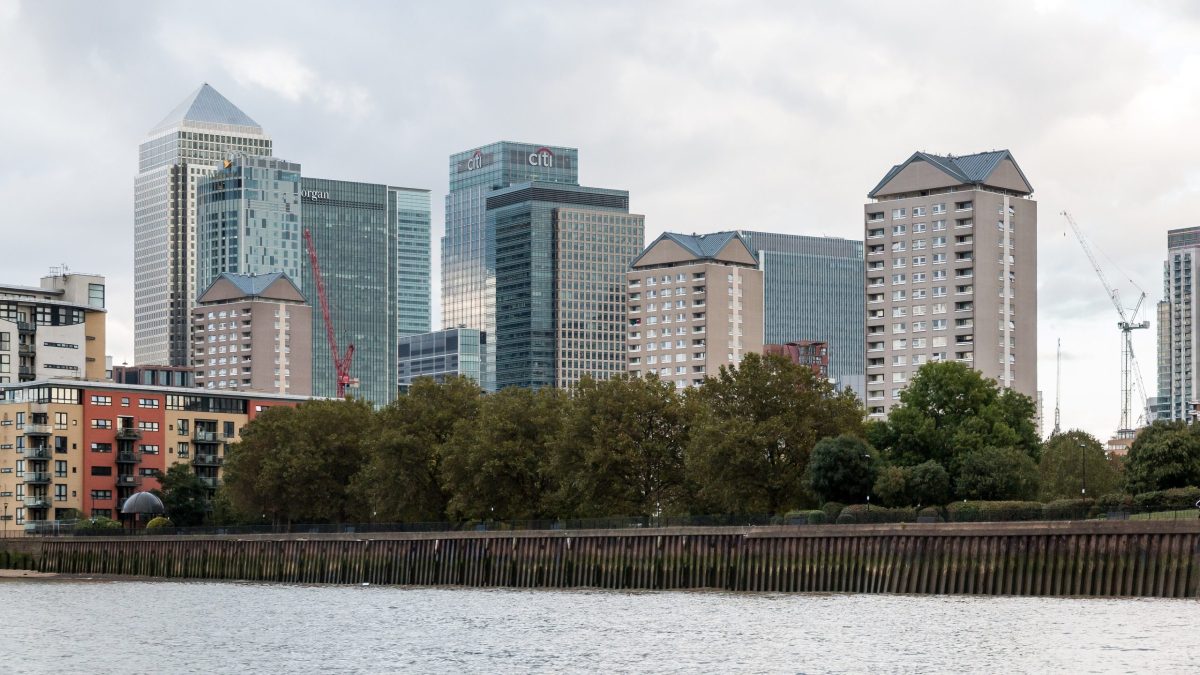
Image: Canary Wharf in London (file photo; a stand-in image). Photo: Dietmar Rabich / Wikimedia Commons (CC BY-SA 4.0)