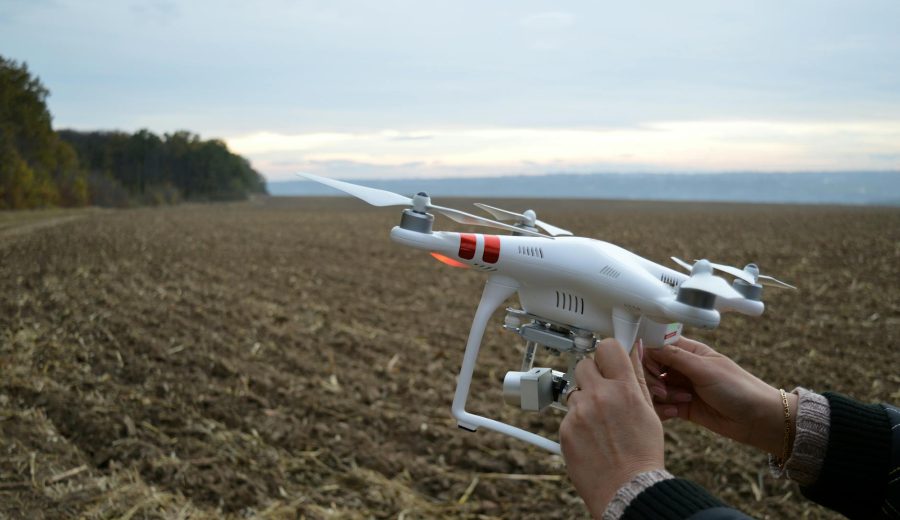
Ukraine has entered into controversial technology agreements with Gulf states, exchanging drone technology and military expertise for substantial financial backing. These deals represent a strategic pivot as Ukraine seeks alternative funding sources beyond traditional Western aid. The arrangement raises concerns about weapons proliferation and geopolitical implications in the Middle East.
Kyiv sells its battlefield expertise to Middle East autocrats while begging for Western weapons.
The money trail leads from blood-soaked Ukrainian trenches straight to the marble halls of Gulf palaces. President Zelensky’s admission that Ukrainian advisers are now deployed across Qatar, UAE, and Saudi Arabia reveals a desperate nation monetizing its own suffering.
Ukraine’s timing couldn’t be more calculated. Just as Western military aid packages face political gridlock, Kyiv pivots to cash-flush autocracies that couldn’t care less about democratic values. These aren’t humanitarian partnerships. They’re transactional arrangements where Ukrainian expertise in countering Iranian drones gets exchanged for hard currency and advanced technology.
Defense analysts confirmed what Kyiv won’t openly admit by Tuesday evening: Ukraine runs a war consultancy service now. The same advisers who’ve spent months dodging Shahed drones over Kharkiv teach Gulf security forces how to intercept similar weapons targeting oil infrastructure and royal compounds. The timing is striking as tensions rise across the region.
But the math reveals uncomfortable truths. While Congress debates another aid package, Qatar alone could write Ukraine a check larger than most European contributions without blinking. The Gulf states aren’t motivated by solidarity with Ukrainian democracy — they need Ukrainian battlefield expertise because their own militaries can’t effectively counter Tehran’s drone swarms despite billions in Western hardware.
Calculations here are cynical but predictable. Ukraine’s most experienced drone warfare specialists get deployed to protect Saudi oil facilities and Emirati shipping lanes. They’re desperately needed on the eastern front. Ukraine’s leadership sees no choice, though. Western aid comes with strings, timelines, and political theater. Gulf money flows faster.
Yet this partnership exposes uncomfortable realities about modern conflict economics. Ukraine isn’t just fighting for survival — it’s leveraging its wartime innovations into export commodities. The same AI-enhanced air defense systems that protect Kyiv’s government quarter could soon shield Abu Dhabi’s financial district. Nobody is saying that publicly.
Moscow benefits when Ukraine’s best defensive minds scatter across Middle Eastern capitals instead of concentrating against Russian advances. Tehran’s drone program isn’t just terrorizing Ukrainian civilians — it’s creating market demand that pulls Ukrainian military expertise away from the primary battlefield. The Kremlin connection runs deeper than simple Iranian drone supplies.
Technology transfers flow both ways, intelligence sources suggest. Ukrainian forces gain access to advanced radar systems and electronic warfare capabilities that Gulf states acquired from Western defense contractors. These systems, originally sold to counter regional threats, now provide Ukraine with capabilities that formal military aid packages couldn’t deliver due to export restrictions.
Pentagon officials expressed private frustration just hours earlier about Ukrainian military advisers operating in countries that routinely ignore U.S. sanctions on Russian energy imports. America’s Ukrainian allies train the armies of nations that continue financing Putin’s war machine through backdoor oil purchases. The irony cuts deep.
Still, the precedent sets dangerous expectations. If Ukraine succeeds in monetizing its wartime expertise, other conflict zones will follow. Syria’s chemical weapons experience, Yemen’s urban warfare tactics, Gaza’s tunnel networks — every modern conflict generates exportable military knowledge that autocrats will pay handsomely to acquire. The math doesn’t add up morally.
Ukraine’s pivot to Gulf military partnerships reveals how prolonged conflicts create perverse economic incentives that can undermine original war aims. The arrangement also demonstrates how regional autocracies exploit democratic nations’ military desperation to acquire advanced warfare capabilities without Western oversight.
Ukrainian experts now train Gulf security forces in drone warfare tactics learned during Russia’s invasion.
Source: Original Report