
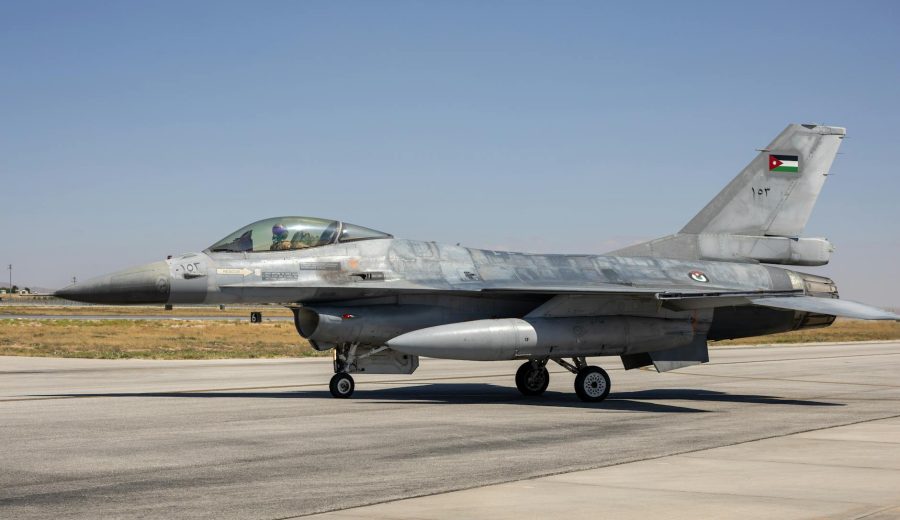
The US conducted military strikes on Iranian positions near the Strait of Hormuz, one of the world’s most critical shipping chokepoints. The attacks have raised concerns about potential disruptions to global oil shipments and escalated regional tensions. Officials warn that shipping routes through the strategic waterway remain at significant risk.
Deep-penetrator strikes on missile installations escalate regional tensions as Gulf states navigate between security and economic stability.
The evening call to prayer echoed across Bandar Abbas as news of American bombs hitting nearby Iranian positions rippled through the port city’s tea houses. Merchants who had spent decades navigating the delicate balance of Gulf politics suddenly found their calculations upended by the thunder of 5,000-pound munitions.
Narrow alleys behind the old bazaar tell their own story tonight. Traders who’ve weathered sanctions and regional storms for generations face another familiar weight. “The sea gives and takes,” an elderly dhow captain told me last month, watching container ships queue at the horizon. His words feel prophetic now.
American warplanes struck Iranian anti-ship missile sites yesterday evening. The attack represents more than tactical military action. Washington just showed it’ll directly engage Tehran’s anti-access strategy in the world’s most critical energy chokepoint. Twenty percent of global oil passes through these waters daily. That’s a staggering figure.
Yet the timing reveals deeper currents at work here. Gulf monarchies find themselves caught between competing regional powers just as they pursue ambitious economic plans. Saudi Arabia’s Vision 2030 and the UAE’s post-oil transition depend on stable shipping lanes and foreign investment confidence. Iranian missiles threatening commercial traffic undermine both goals.
Social liberalization sweeps cities like Riyadh and Dubai these days. Young Emiratis sip specialty coffee in trendy cafes and represent a generation that expects prosperity without perpetual conflict. They’ve grown up with Amazon deliveries and Netflix, not air raid sirens. Their governments must balance these expectations against security needs. The timing is striking.
But economic reality won’t wait for diplomacy to work. Insurance rates for tankers will likely spike within days. Shipping companies may demand military escorts through the strait. Consumers from Mumbai to Manchester will pay the added costs. Regional stock markets already show jitters.
Tehran’s calculation appears equally complex right now. Supreme Leader Ali Khamenei faces domestic pressure from hardliners who view any American military action as justification for escalation. Revolutionary Guards units — whose missiles were targeted — built their reputation on asymmetric deterrence. They can’t appear weak to their own people.
Control of information becomes crucial at moments like this. Iranian media will frame the strikes as unprovoked aggression against sovereign territory. American officials emphasize protecting international commerce from terrorist threats. Gulf allies will quietly support Washington while publicly calling for restraint. Each narrative serves specific audiences with different interests.
Regional power dynamics shift with every military exchange here. Israel watches Iranian capabilities degrade with obvious satisfaction. Russia and China calculate whether American focus on the Gulf reduces pressure elsewhere on their borders. Turkey positions itself as a potential mediator while advancing its own regional interests. Nobody’s saying that publicly.
Geopolitical chess moves often obscure the human cost of these confrontations. Fishing communities along the Iranian coast depend on Gulf waters for basic survival. Port workers in Kuwait and Qatar worry about their jobs if shipping routes face major disruptions. Expatriate families in Dubai wonder if their adopted home remains stable long-term.
By Wednesday morning, oil futures had already responded predictably. Energy markets price in risk premiums that ultimately affect everything from airline tickets to grocery bills worldwide. The ripple effects reach far beyond the Gulf’s azure waters. The math doesn’t add up for anyone.
Still, both sides seem committed to their current course for now. For weeks now, intelligence reports suggested Iran was preparing to target commercial shipping with upgraded missile systems. Washington decided preemptive action served American interests better than reactive diplomacy after ships started sinking.
The strikes escalate US-Iran tensions at a critical chokepoint for global energy supplies, potentially disrupting shipping routes that Gulf economies depend on for their diversification plans. The incident highlights how regional military confrontations directly impact global markets and the delicate balance Gulf states must maintain between security partnerships and economic stability.
The strategic waterway handles twenty percent of global oil shipments daily.
Source: Original Report