
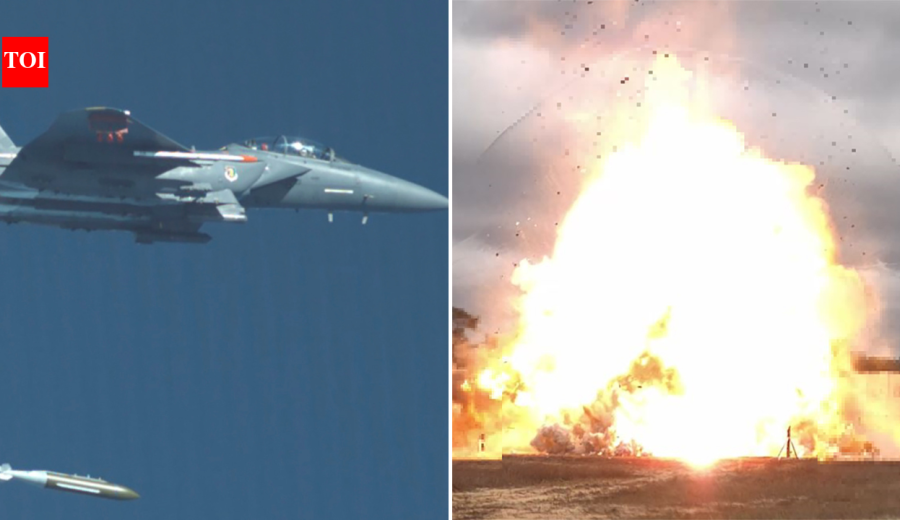
A US bunker buster strike conducted near the Strait of Hormuz has triggered widespread concerns about disruptions to one of the world’s most critical oil shipping routes. The military action escalates existing Iran-US tensions in the region. Global energy markets are responding to heightened risks affecting approximately 21% of world petroleum transit.
Military escalation at the world’s most critical energy chokepoint threatens global oil supplies and regional stability.
Cardamom tea mixed with diesel fumes filled the air at Port Rashid this morning. Ship captains huddled over navigation charts with unusual intensity. Word had spread quickly through the maritime community about American warplanes deploying massive bunker buster bombs against Iranian positions near the Strait of Hormuz.
Coffee houses from Dubai to Doha buzzed with worried conversations about shipping routes and insurance premiums. Tanker crews who normally joke about bureaucratic delays now speak in hushed tones about military escorts. One veteran captain watched loading operations and told me, “When the Americans bring out their biggest hammers, everyone feels the tremors.”
Data
Global Oil Dependency on Strait of Hormuz
Source: Delima News analysis | percent of global oil
Nearly 20 percent of global oil passes through this narrow waterway daily. That’s roughly 18 million barrels worth over $1.5 billion at current prices. The math is sobering. Those 5,000-pound GBU-28 bunker busters represent Washington’s most powerful conventional weapons short of nuclear arms. They’re designed to obliterate hardened underground facilities.
Energy markets responded predictably within hours. Crude oil futures jumped 4 percent. The real concern isn’t today’s price spike — it’s what comes next. Iran has threatened to close Hormuz before during previous confrontations. Thousands of naval mines and anti-ship missiles line the strait’s rocky coastline.
Yet Tehran faces its own constraints here. Roughly 80 percent of Iranian oil exports flow through the same chokepoint. That is a staggering figure. Blocking Hormuz would be economic suicide for a nation already struggling under international sanctions. The regime’s revolutionary rhetoric often exceeds its practical options.
Regional observers find the timing particularly dangerous right now. Iran’s new government has been trying to balance domestic pressure for resistance against American attacks with pragmatic economic needs. Friday prayers in Tehran featured fiery sermons about retaliation. But behind closed doors, Iranian officials likely calculate the costs of escalation.
Gulf monarchies like Saudi Arabia and the UAE have invested billions in alternative pipeline routes to bypass Hormuz. They wouldn’t mind seeing Iranian influence diminished. But they also can’t afford a prolonged conflict that disrupts global energy supplies and crashes oil prices. Nobody is saying that publicly.
Bunker busters themselves send a specific message to Tehran. Unlike precision missiles, these weapons destroy what enemies want to keep hidden underground. Intelligence suggests Iran has moved critical military assets into hardened bunkers across the region. Washington is demonstrating they can reach those targets.
Maritime insurance companies started adjusting their risk calculations by Tuesday evening. Lloyd’s of London issued new guidance about transit through the Persian Gulf. Shipping costs will rise. Those increases eventually reach consumers at gas pumps worldwide.
Still, both sides might find ways to step back from the brink here. History suggests that miscalculations in these narrow waters can spiral quickly into broader conflicts. The timing is striking. When elephants fight, the grass suffers — and the global economy might be that grass this time.
The Strait of Hormuz handles one-fifth of global oil shipments, making any military escalation there a threat to worldwide energy security. Bunker buster deployments signal potential for deeper conflict that could disrupt supply chains and spike energy costs globally.
Commercial vessels traverse the strategic Strait of Hormuz, through which nearly 20 percent of global oil supplies pass daily.
Source: Original Report