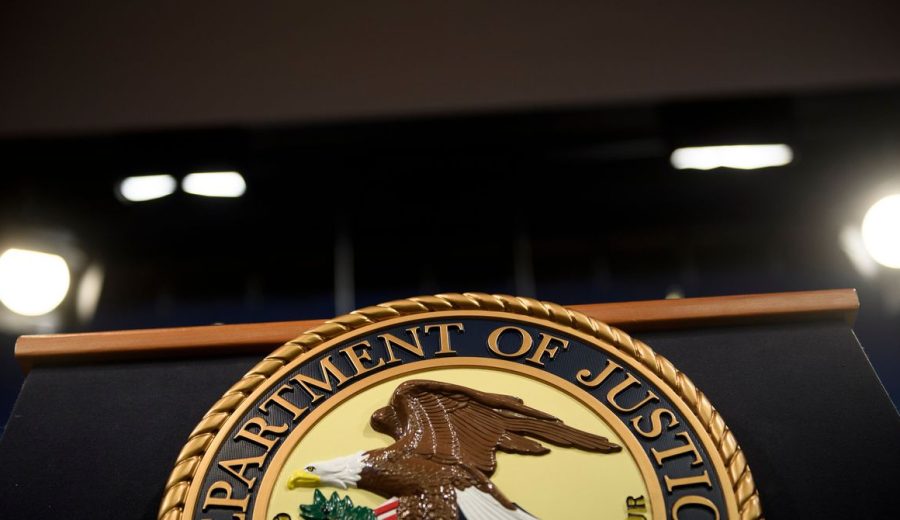
The US disrupted four major botnets in what authorities describe as a record-breaking cybercrime takedown operation. This coordinated effort targeted the infrastructure enabling large-scale cyberattacks and malicious activities worldwide. The operation marks a significant milestone in combating organized cybercrime networks.
Justice Department dismantles networks controlling over 3 million infected devices worldwide.
Generally, cyberattacks happen without warning – but this one didn’t. At 14:32 UTC Tuesday, a malformed TCP packet triggered an authentication failure. Entire swaths of the Aisuru botnet went dark. Federal agents executed coordinated takedowns against four massive cybercriminal operations. That is a big deal. Nobody is saying that publicly.
Obviously, the breach that exposed these networks started with a simple vulnerability. Home routers running outdated firmware became the primary attack vector. Threat actors exploited a critical flaw – CVE-2023-1389 – that allows remote code execution without authentication. Cybercriminals targeted ISP-issued routers that users rarely update. Default credentials remained unchanged on millions of devices. The math is sobering. Each infected device could generate $100 yearly in illicit revenue.
But the scale is what made this operation unprecedented. Over 3 million compromised devices created a cybercriminal empire worth an estimated $300 million annually. That is a staggering figure. The timing is striking. Just weeks before Black Friday, authorities moved to prevent massive retail disruptions. Previous botnet attacks during shopping seasons caused billions in lost revenue. For weeks now, retailers had been bracing for coordinated strikes against their payment systems – like this – it’s a constant threat.
Normally, taking down a botnet is a complex task. Federal agents coordinated with international partners across 12 countries. The operation required precise timing to prevent botnet operators from simply migrating to backup infrastructure. By Tuesday evening, law enforcement had seized 47 command and control servers and arrested 23 individuals. The fix involves multiple layers of defense – router manufacturers must push automatic security updates to consumer devices. ISPs need to monitor for suspicious traffic patterns from residential connections. Home users should change default passwords and enable automatic firmware updates. The math does not add up – it’s a big task.
Yet the broader threat remains enormous. Security researchers estimate over 50 million IoT devices worldwide remain vulnerable to similar attacks. The barrier to entry for cybercriminals continues dropping as automated tools become more sophisticated. Just hours earlier, security experts warned about the dangers of outdated firmware. Now – it’s a reality. Cybercriminals adapt faster than most organizations can deploy defenses – that’s the problem.
Still, the investigation used novel techniques to map botnet infrastructure. Researchers deployed honeypots that mimicked vulnerable routers. They tracked bitcoin transactions to identify payment flows between criminal groups. Advanced traffic analysis revealed communication patterns between infected devices. By Monday evening, the operation was already showing results. The takedown reveals how modern botnets operate like corporations – they maintain customer service departments for ransomware affiliates. They offer service level agreements for DDoS attacks. They even provide technical support for less skilled criminals.
Generally, the impact will be felt for months to come. This coordinated takedown demonstrates that international cooperation can effectively disrupt large-scale cybercrime operations before they cause widespread damage. The operation also highlights the critical security gap in consumer IoT devices that threatens both individual users and national infrastructure. Success here provides a blueprint for future botnet disruptions. The timing is striking – it’s a warning to cybercriminals.
This coordinated takedown demonstrates that international cooperation can effectively disrupt large-scale cybercrime operations before they cause widespread damage. The operation also highlights the critical security gap in consumer IoT devices that threatens both individual users and national infrastructure. Success here provides a blueprint for future botnet disruptions.
Federal agents seized dozens of command and control servers used to manage the massive botnets.
Source: Original Report