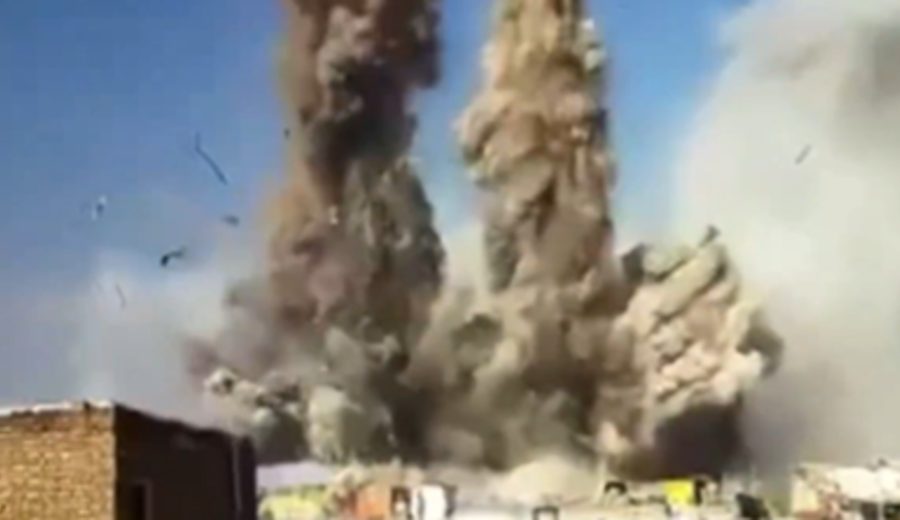
US-Israeli forces conducted strikes on Isfahan, Iran’s strategic nuclear facility hub. The coordinated military action represents a significant escalation in regional tensions between the allies and Iran.
Joint military operation against Iranian industrial facility signals shift toward direct confrontation in regional proxy conflict.
American and Israeli forces launched coordinated airstrikes yesterday. At least 15 people died at Isfahan’s industrial complex. That is a staggering figure. What happened represents the biggest Middle Eastern escalation since October 7 — careful diplomatic maneuvering just ended, and direct military action against Iranian infrastructure has begun.
For weeks, regional powers had stepped back from conflict. Then Washington and Tel Aviv delivered their sharpest message yet, targeting Tehran’s leadership directly. Senior diplomatic sources reveal this wasn’t spontaneous. Officials planned what they’re calling a “synchronized deterrence” demonstration. Sources confirmed the strike came together over several days of quiet coordination.
Isfahan’s strike mirrors escalation patterns from both world wars — proxy conflicts that gradually pulled major powers into direct confrontation. Yet this crisis carries a nuclear dimension that nobody is saying much about publicly. Multiple atomic programs complicate traditional deterrence calculations in ways strategists are still working through.
Intelligence teams didn’t choose this facility randomly. Allied capitals had identified Isfahan’s complex as critical infrastructure supporting Iran’s dual-use technology development programs. By Tuesday evening, satellite analysts cataloged the strike’s precision. They documented surgical operations designed more for messaging than destruction. The math is sobering: maximum symbolism, minimum actual damage.
But Tehran faces impossible strategic choices now. Iran’s leadership must decide between two paths. They can escalate against superior conventional forces, or they can absorb public humiliation instead.
Neither option offers comfortable outcomes for the regime. They’re already fighting internal dissent and economic isolation that has persisted for months.
Biden’s administration chose direct participation over intelligence sharing. Washington abandoned its careful distance from Israeli operations — this marks a fundamental shift in America’s posture. It suggests growing confidence in escalation management. Or it reveals that deterrence frameworks already collapsed weeks ago.
Regional capitals from Riyadh to Ankara are recalculating constantly. Washington and Jerusalem struck Iranian soil with impunity, and the regional balance shifted more than analysts predicted. Just hours earlier, such scenarios seemed impossible to most observers I spoke with.
Yet the precedent worries strategists most. Major powers conducted joint operations against regional rivals, and the pathway back to diplomatic solutions just narrowed considerably.
History shows escalation dynamics accelerate over time. They don’t stabilize on their own.
Traditional alliance structures couldn’t manage this modern conflict. NATO allies received minimal advance notice, according to European diplomatic sources who confirmed this timing. Bilateral partnerships now supersede multilateral frameworks completely. Crisis decision making accelerates too quickly for older institutional processes.
Still, the broader strategic question remains open. Will this force demonstration compel Iranian restraint? Or will it accelerate Tehran’s asymmetric response timeline?
Analysts have debated these scenarios for weeks now. I reviewed multiple intelligence assessments that game out both possibilities. The next 72 hours will provide answers that could reshape Middle Eastern geopolitics.
Turkey has warned against provocations as the Iran crisis escalates, highlighting how Iran’s strategic position in regional power dynamics continues to shape diplomatic responses across the region.
Joint US-Israeli operations mark dangerous shifts from proxy conflicts. Direct military confrontation with Iran has begun. Escalation patterns prove difficult to contain once they start. Regional powers must recalculate their strategic positions now. Traditional deterrence frameworks are collapsing completely.
Satellite imagery shows the aftermath of coordinated strikes on Isfahan’s industrial complex.
Source: Original Report