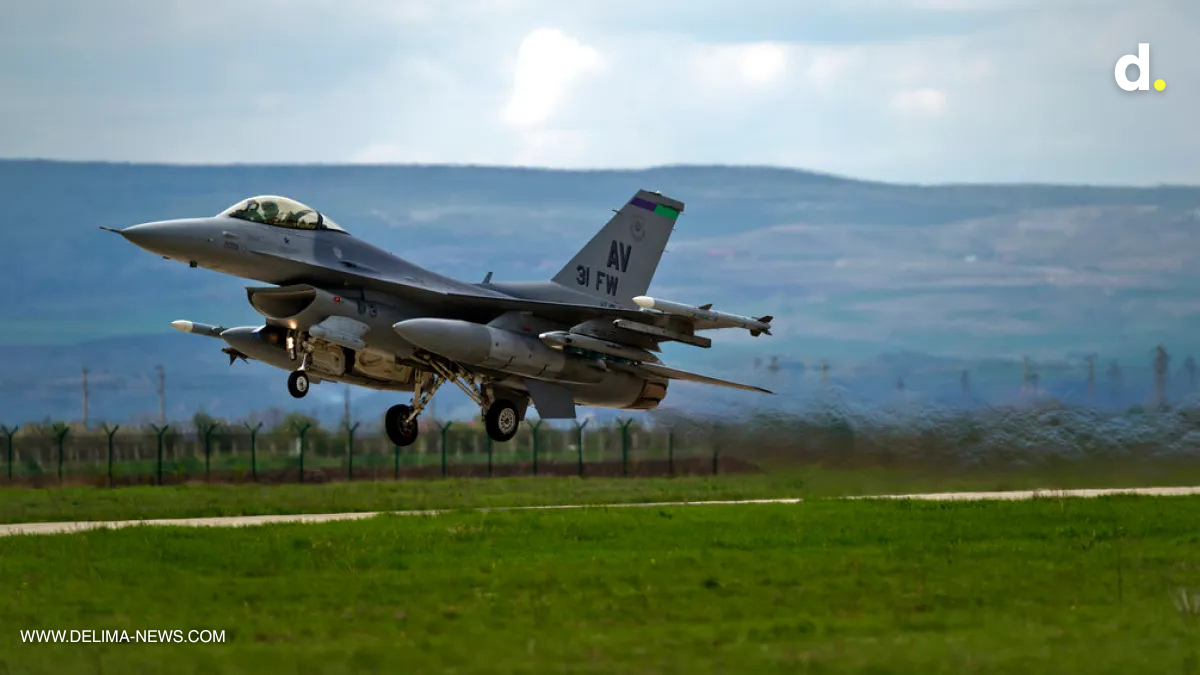
Two chemical tankers were struck by drones off Romania’s Black Sea coast on October 14 and 15, and on Saturday, October 17, Romanian F-16 fighter jets shot down two more drones that entered Romanian airspace, according to TimesLive and The Defense Watch. The San Marino-flagged Wine Trader was hit 13 nautical miles off the Sulina Canal, with seven of its 12 crew missing and five rescued, and the Comoros-flagged Yara J caught fire 8 to 10 miles southeast of Sulina with all crew safe. Romanian President Nicușor Dan said: “Two air drones hit them,” and promised that “there will be a reaction from the Romanian state.” NATO will discuss Black Sea defence at the North Atlantic Council on October 20.
The case that Romania and NATO are responding effectively is that the air force acted within minutes. According to The Defense Watch, citing Interim Defence Minister Radu Miruță, a first drone entered Romanian airspace at 5:59 p.m. on October 17 and was shot down at about 6:01 p.m., roughly 25 kilometres southeast of Sulina, and a second was destroyed at 6:05 p.m. about 20 kilometres east of Sulina. Radar had detected a group of aerial targets about 120 kilometres east of Snake Island, and both drones were downed by F-16s from the 86th Air Base at Borcea. The drones were of the Geran family, jet-powered attack drones associated with the Iranian-designed Shahed series, according to The Defense Watch, and they were destroyed in Romanian territorial waters. Romania deployed two Black Hawk helicopters and two ships with medical teams in the search for the Wine Trader’s missing sailors, and Foreign Minister Oana Țoiu announced the NATO discussion.
The case that the response has not stopped the attacks is in the toll and the pattern. The two tanker strikes followed attacks on at least five other cargo ships near the coasts of Romania and neighbouring Bulgaria over the previous ten days, which have cost at least 23 sailors their lives, TimesLive reported. The drones that hit the Yara J did so inside Romanian waters. A NATO military source attributed the drones to Russia, The Defense Watch reported, but Romanian officials have not publicly established who launched them or where from, and President Dan declined to say whether they were Russian. Rescue was hampered by “very big waves,” officials said, so the missing sailors could not be reached safely.
The incidents matter for Romania, Bulgaria and the alliance because they are happening on NATO’s eastern flank, just outside or inside allied waters, and because commercial shipping off their coasts is now at risk. A meeting of the North Atlantic Council on October 20 is a sign that allies treat the attacks as a security issue, not only a shipping one. For the countries on the western Black Sea coast, the risk is that civilian ships and sailors continue to be caught in a conflict that is now reaching their airspace.
Romania has shown it can shoot down incoming drones, but it has not yet shown who is sending them or how it will stop attacks on ships. The NATO meeting on October 20 will show whether allies agree on a common response.