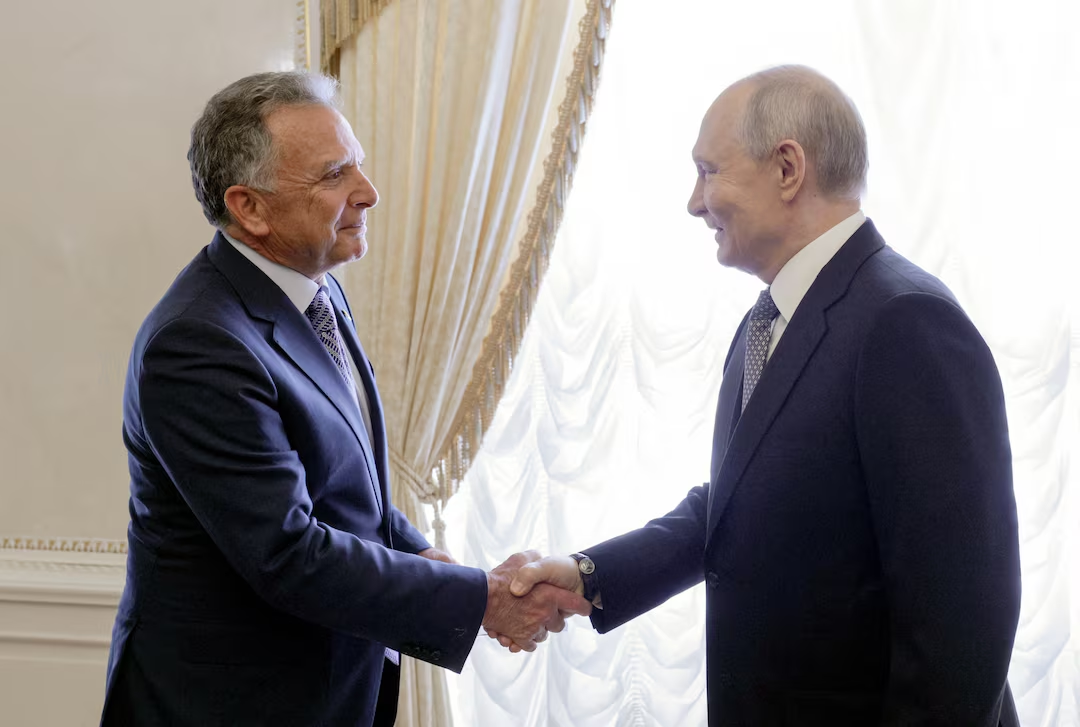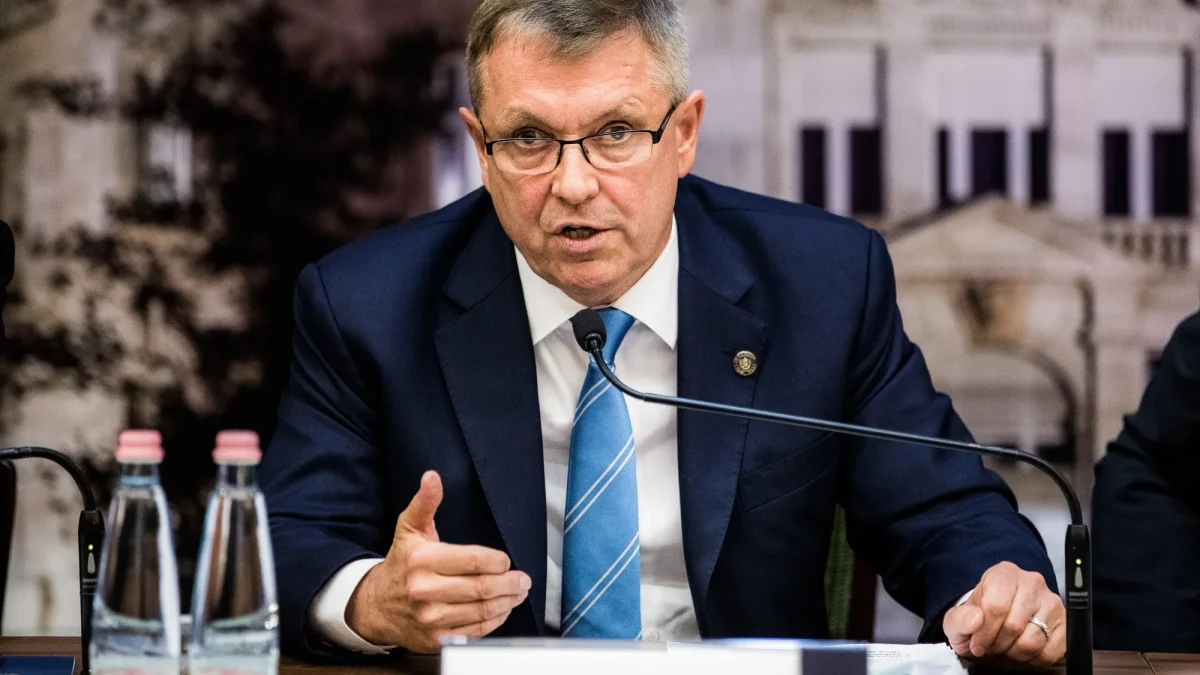
Hungarian authorities arrested György Matolcsy, who led the central bank from 2013 to 2025, on Wednesday, October 21, 2026, on suspicion of economic fraud causing significant financial damage, use of a forged private document and criminal misappropriation of funds, according to a report published by TBS News. Prime Minister Péter Magyar announced the detention on Facebook. A criminal complaint was filed last month, and the central bank’s foundations had received hundreds of billions of forints, equivalent to hundreds of millions of dollars. Matolcsy’s lawyer, Pál Bátki, confirmed the detention to the Hungarian outlet Telex, and Matolcsy has denied wrongdoing. He was also economy minister from 2010 to 2013 and is regarded as one of former Prime Minister Viktor Orbán’s closest economic allies.
The case for the prosecution is based on the audit findings and on the new government’s mandate. An audit found that properties had been bought at inflated prices, causing significant losses, and the foundations that held the money received hundreds of billions of forints, a scale that makes any misuse a matter of public concern. Magyar’s government created the National Asset Recovery and Protection Office in July, with investigative and prosecutorial powers, and the Prime Minister said that “members of the previous government… had committed serious crimes, particularly corruption involving both national and European Union funds.” The complaint was filed in September and the arrest came within weeks, which suggests that investigators believe they have enough evidence to act, and a central bank’s independence makes any wrongdoing at the top especially serious.
The case for caution is that Matolcsy has denied wrongdoing and that the arrest, at this stage, is a suspicion and not a conviction. He has not been tried, and the evidence supporting the three allegations has not been made public in the report. Because he was among Orbán’s closest allies, the arrest will inevitably be read in political terms, and the report did not include any response from Orbán’s party. A government that came to power promising to recover assets has an interest in visible results, which makes it important that the process is seen to follow the law, including the right of the accused to a defence. Property valuations can be disputed, and a finding of inflated prices does not by itself prove criminal intent.
The arrest matters because it is the most prominent step yet in Hungary’s effort to hold figures of the previous government to account, and it touches the central bank, an institution whose credibility supports the currency. For Hungarians, the case will test whether the new asset recovery office can bring cases that stand up in court, and for the European Union, which Magyar has mentioned in connection with corruption involving EU funds, it will be watched as a sign of the new government’s seriousness. For the opposition, the question will be whether prosecutions are fair and consistent.
Matolcsy has been detained and denies the charges. The courts, not the government’s announcement, will decide whether Hungary’s biggest financial case in years is proven.