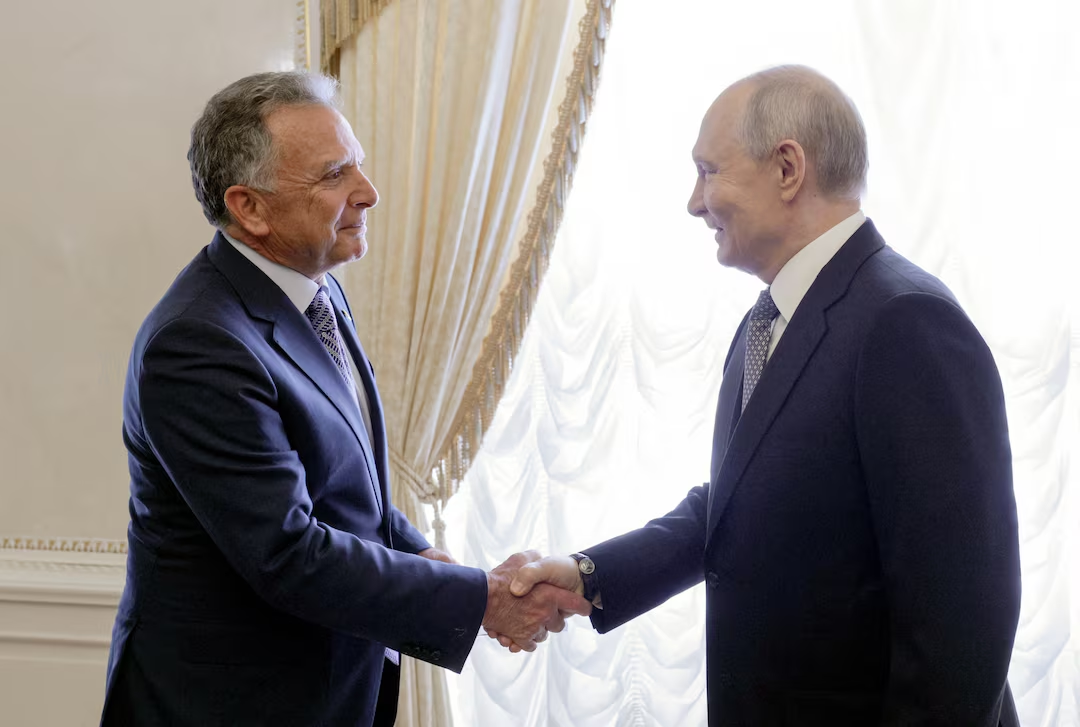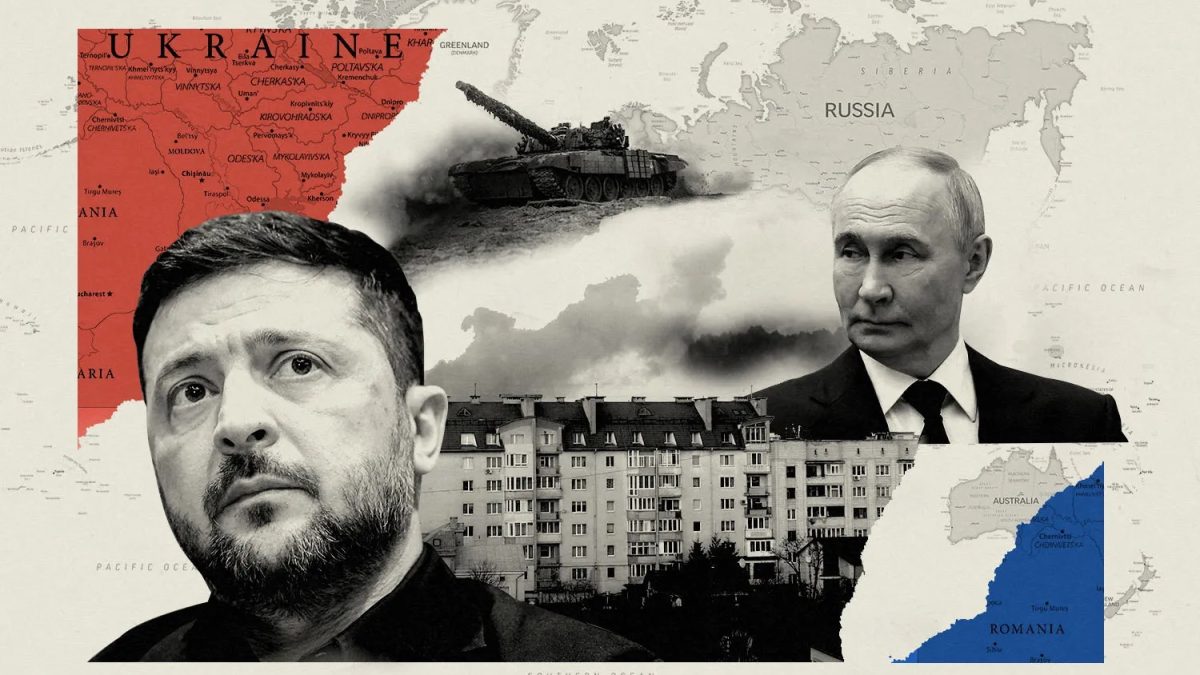
Russia and Ukraine have both acknowledged plans for three-way talks with the United States in the United Arab Emirates in November, the first since earlier US-brokered rounds lapsed while Washington focused on its war on Iran. Kremlin spokesman Dmitry Peskov said on 23 October that the round is “planned for the first half of November in Abu Dhabi.” It follows US envoy Steve Witkoff’s meeting with Vladimir Putin in St Petersburg on 21 October. Hours later, Russia fired ballistic missiles at Kyiv. Whether the talks can achieve more than the rounds held earlier this year is the open question.
The case for optimism begins with what Moscow agreed to. Putin told Witkoff that Russia is ready “in principle” to resume the talks, and Ukrainian President Volodymyr Zelenskyy told the Hudson Institute that technical negotiations will happen “in the first half of November, and as early as possible.” Russia freed the imprisoned American teacher Stephen Hubbard during the visit, and on Friday each side exchanged 270 prisoners of war, according to Russia’s Defence Ministry. The United States has proposed the UAE as a possible venue, and Putin and Zelenskyy have each signalled support for the three-way format. Witkoff spoke of “new momentum,” had met Zelenskyy in Norway the day before, and Donald Trump said the war may be as close to ending as it has ever been.
The case for scepticism is just as concrete. Zelenskyy said Russia fired 21 ballistic missiles at Kyiv in three waves, three of them with cluster munitions, and that attacks hit 12 regions overnight; at least four people were killed and dozens wounded. Since 11 October, he said, Russia has launched 170 strikes on Ukraine’s critical energy facilities. “Russia has not changed the way it wages this war,” he said. Putin says the talks should address long-term security arrangements rather than a “short” truce, and a similar meeting expected earlier in October never took place. The earlier technical talks in the UAE and Switzerland in January and February produced little beyond prisoner exchanges. Ukrainian Foreign Minister Andrii Sybiha said, “Appeasement, servility, and flattery will not stop this war. Only strength will.” Ukraine also launched drones at Moscow, with the capital’s mayor saying 630 were fired at the region and most were intercepted. Ukraine’s acting prosecutor general, Anton Kovalsky, says more than 19,000 Ukrainian civilians have been killed since the full-scale invasion, including 762 children.
What happens in Abu Dhabi matters across Europe. Zelenskyy says any deal needs strong security guarantees and 10 years of funding for Ukraine’s army, and he wants Europe in the room, while Moscow’s demands include Ukraine ceding large parts of its territory and agreeing not to join NATO. Ukraine also reports problems with Starlink access and intelligence sharing and says it is still waiting for promised air-defence interceptors, and US officials say Patriot air-defence ammunition is in short supply. European leaders said Washington’s agreement to buy 300,000 tonnes of Russian diesel gave Russia “hope,” and Trump delayed a new wave of Russia-related sanctions, saying the delay was needed to secure Hubbard’s release; the diesel deal drew outrage in Kyiv and across Europe.
The talks are now scheduled, which is more than could be said a month ago. But the gap between Moscow’s and Kyiv’s terms is unchanged, and the strikes continue.