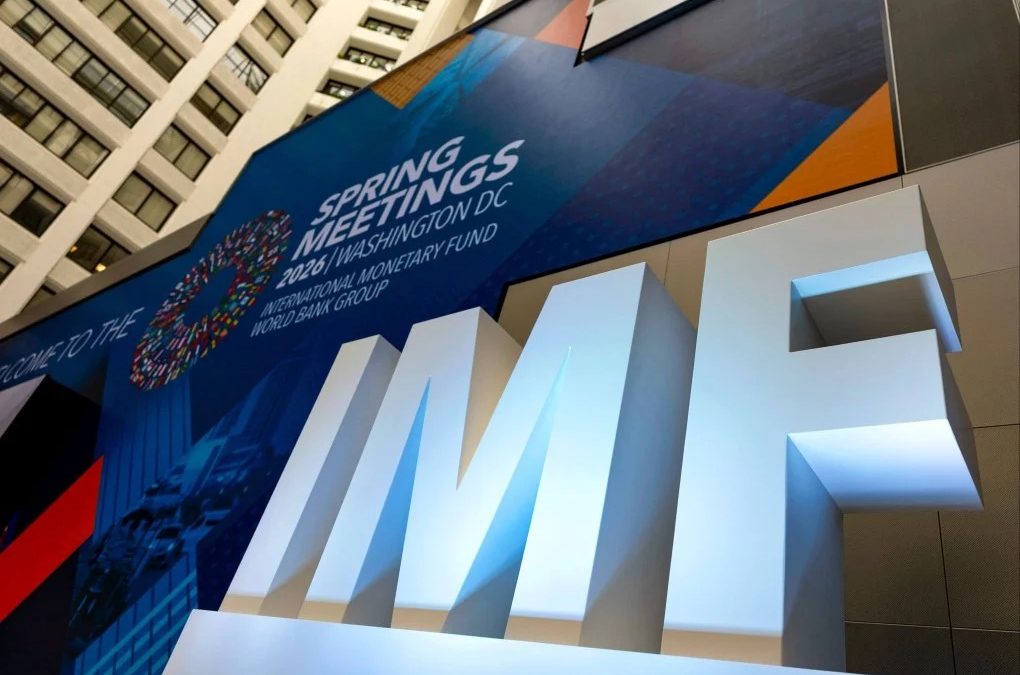
The International Monetary Fund’s latest World Economic Outlook projects global growth of 3.1% in 2026 and 3.4% in 2027, easing from 3.5% in 2025, according to a Trading Economics report dated 13 October. The report says the forecast was raised by 0.1 percentage point from July’s 3.0%. The same report warns that high energy prices linked to the US-Iran war pose significant risks, particularly for low-income countries and energy-importing economies. The outlook leaves the world economy resilient, but not comfortable.
The case for resilience is in the national figures. The United States is projected to grow 2.3% in both 2026 and 2027, and India 7.0% in each year. The United Kingdom’s 2026 forecast was raised to 1.3%, and the report says resilient advanced economies support the upgrade. The euro area edges up to 1.2% in 2027 and Japan holds at 0.7%, so no major region in the report is expected to slow sharply next year apart from China. A pickup from 3.1% to 3.4% in 2027 would mean the global economy absorbs the energy shock rather than tipping into a downturn. China’s growth forecast was lowered by 0.1 percentage point to 4.5%, as the Associated Press reports, but that still leaves it well above the global average, and the Federal Reserve’s own projections tell a similar story for the largest economy, with 2026 real GDP growth at 2.3% and unemployment at 4.1%.
The case for fragility is equally visible. Growth slows from 3.5% in 2025 to 3.1% in 2026, China’s forecast falls to 4.0% in 2027 on weak domestic demand, and the euro area is projected at only 1.1% in 2026 and 1.2% in 2027. Japan is projected at 0.7% in both years, and the UK’s 2027 forecast was lowered to 1.2%. The IMF’s July outlook projected global headline inflation of 4.7% in 2026, easing to 3.9% in 2027, which leaves little room for shocks. China’s own 2026 growth target is 4.5% to 5%, so the IMF’s 4.5% forecast sits at the bottom of that range. The central risk the report names is energy: Brent crude has since climbed to about $112 a barrel, its highest since May, and the Federal Reserve now forecasts 3.7% PCE inflation for the United States this year.
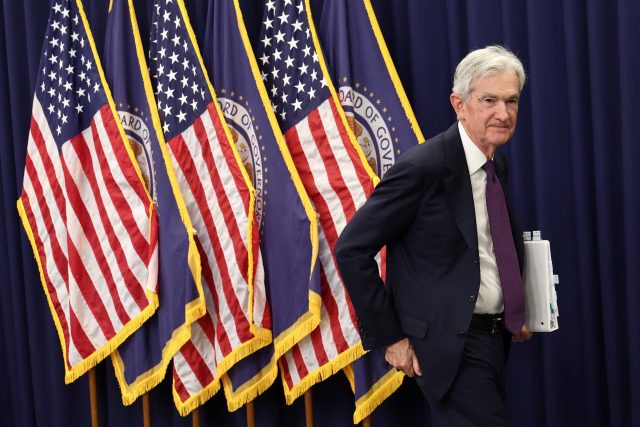
The stakes are uneven. Low-income and energy-importing countries are the most exposed, and they have the least room to cushion higher fuel bills. The Federal Reserve raised its policy rate by a quarter point to 3.75% to 4% in September on a 12-0 vote, and for central banks the forecast poses a trade-off, because energy-driven inflation can be hard to tame with rates, and the Fed raised rates in September. For governments heading into elections, such as the United States on 3 November, the cost of living is likely to stay the dominant issue: on 22 October Brent traded at about $112 a barrel and US crude at $99.80, and seven in 10 Americans told a Washington Post/ABC/Ipsos poll that gasoline is becoming unaffordable.
The IMF’s message is that the world economy is still growing, but that its path now depends on oil prices and on diplomacy in the Gulf.