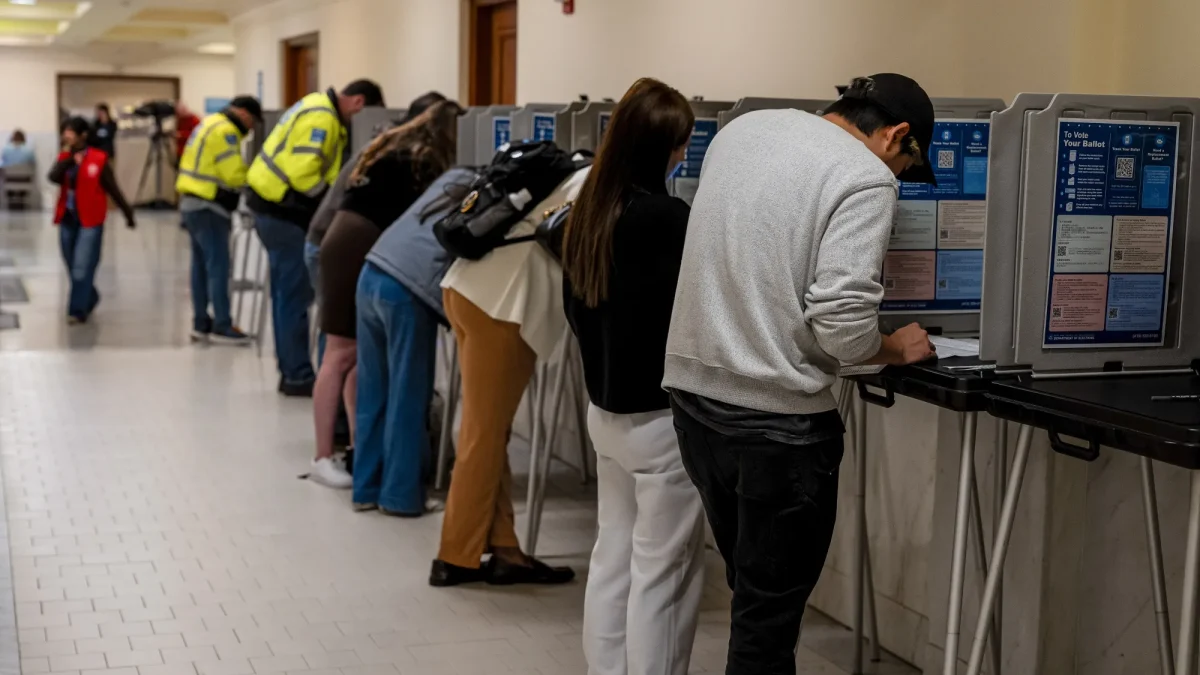
California voters have rejected Proposition 40, a one-time wealth tax on the state's billionaires, according to a race call by The Associated Press reported by NPR. The measure would have charged Californians with a net worth above $1.1 billion a 5 percent tax on their total wealth, including shares, to help fund healthcare. It took nearly a week of counting after the midterm elections for a projection to be made. About 200 billionaires live in the state, among them Meta's Mark Zuckerberg, Kim Kardashian and Oprah Winfrey, and experts believe it would have been the world's first wealth tax aimed at billionaires.
The case for the rejection rests on the risk of losing the state's richest taxpayers and on how divided the measure's own side was. Governor Gavin Newsom, a Democrat whose term is ending, said a tax on the wealthy would be better imposed nationally and warned that billionaires could leave California and take their income tax revenue with them. A handful of billionaires did move out of the state to avoid the possible levy, according to the BBC. The Democratic candidate for governor, Xavier Becerra, also opposed it, as did a leading teachers union, although the measure would have set aside only a small portion of the money for schools. Google co-founder Sergey Brin gave more than $100 million to an organisation funding ballot measures that could block the tax, according to the Los Angeles Times, and NPR reported that at least five times as much was spent against the measure as for it. The voters sided with that case: with about 60 percent of the votes counted, AFP reported that "No" led by 55.6 percent to 44.4 percent, and an analysis by the San Francisco Chronicle found the outcome was unlikely to change.
The counter-argument is that the proposal addressed a real funding gap and that the money, not the merits, decided the result. Backers led by the healthcare workers' union SEIU-UHW said the tax would have raised about $100 billion to make up for federal healthcare cuts that followed President Donald Trump's tax and spending bill, and argued that the ultra-wealthy should pay their fair share. The California Democratic Party supported it, and Senator Bernie Sanders campaigned for it in the state. Union president Dave Regan said the billionaires' campaign created "a lot of confusion and a lot of second-guessing" among voters who knew the right thing to do. Even in defeat, more than four in ten of the votes counted were cast in favour, in a state with one of the highest concentrations of billionaires in the world and one of the widest wealth gaps. The measure also faced two other propositions on the same ballot that would have effectively reversed it even if it had passed.
The result matters well beyond California, which is home to some 23 million registered voters and has the fourth largest economy in the world if counted as a country. The vote was watched as a test of whether a direct tax on extreme wealth could win public support in a jurisdiction that leans heavily Democratic, and its failure shows how much the party's leaders disagree about how to pay for healthcare after the federal cuts. It also shows the political power of concentrated spending in ballot campaigns. Regan has already pledged to seek a billionaire tax again in 2028, so the argument is likely to return with a new governor in office.
California voters have decided, for now, that a one-time tax on its richest residents is not the way to fill the healthcare gap. The defeat gives Newsom and other opponents a clear win, but it leaves the underlying problem unsolved, and supporters say they will be back.