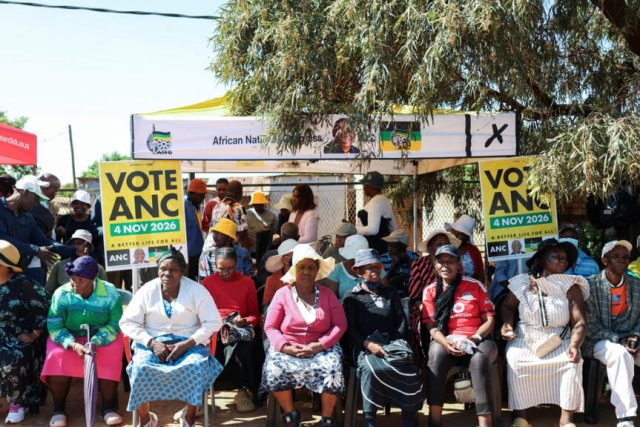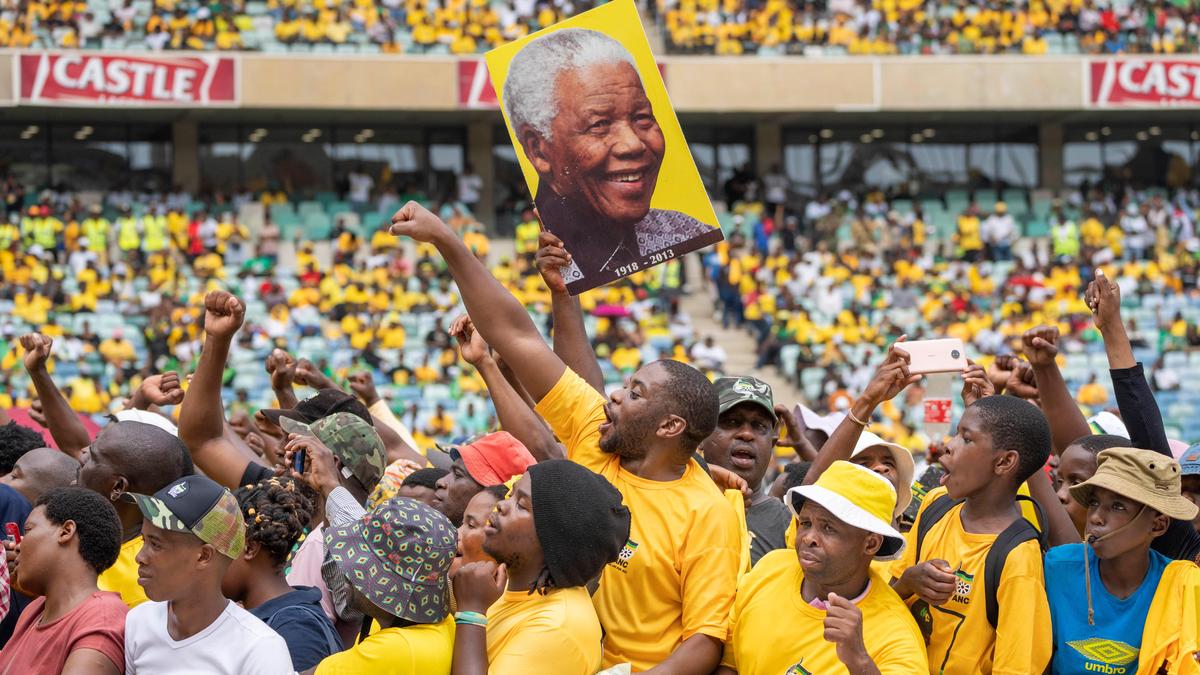
South Africa's African National Congress has recorded its worst showing in local elections since Nelson Mandela led the country out of apartheid, a result the party itself called "catastrophic". The ANC still won the most votes of any party in the elections held this month, but its share fell to 31 percent, down by about a third from the 46 percent it won in 2021 and far below the 65 percent it won 20 years ago, according to the BBC. The Democratic Alliance came second with 25 percent, former president Jacob Zuma's MK party third with 10 percent, and the Economic Freedom Fighters fourth with 6 percent. Turnout was 52 percent, up from 46 percent in 2021.
The argument that the verdict is deserved is based on the ANC's record in government at local level. The party won a majority in just one of the country's nine provinces, Limpopo, compared with six in 2021, and won the most votes in only two of the eight big cities, compared with six at the last local elections. ANC secretary-general Fikile Mbalula said the cost of living was too high and that "the middle class have turned on the ANC in big numbers". Political analyst Susan Booysen said that the decline was largely down to poor service delivery and infrastructure, from water and power to sanitation, which she described as problems that "have really been affecting the lives of ordinary people". President Cyril Ramaphosa said the party accepted the verdict "with humility".
The counter-argument is that the result is less of a clean break than the headlines suggest. The ANC remains the largest party nationally, and the DA's overall share rose only marginally, from 22 percent in 2021, and is still below the 27 percent it won in 2016. The results also fragmented the vote rather than handing it to a single rival, as 69 of the first 100 council results produced no outright winner, according to the news site Briefly. The DA kept control of Cape Town, but MK unseated the ANC as the winner in Durban, and the ANC may be shut out of Johannesburg and Pretoria, where the outcome depends on deals between parties that have little in common. Analyst William Gumede said voters seemed to want coalitions rather than dominant parties, and warned that the ANC could be the second biggest party by 2029.
The result matters for South Africa because the ANC lost its parliamentary majority in the 2024 national election for the first time since 1994 and now governs in a Government of National Unity. Local elections decide who runs the cities, including the three metropolitan municipalities of Gauteng, the country's economic powerhouse, and parties have 14 days from the announcement of results to negotiate coalitions. The ANC will also elect a new leader next year as Ramaphosa's term as party leader ends, though he is due to stay on as president until the next national elections in 2029, and few candidates are lined up to succeed him.
The ANC's fall to 31 percent is the clearest sign yet that the party that led South Africa out of apartheid no longer commands the voters it once did. Whether the result produces better-run cities or a period of unstable coalitions will depend on how the deals are struck in the next two weeks.