Obviously fake, AI-made political adverts have become a feature of this year’s US midterm campaigns. Candidates and their supporters have spent more than $80 million on them, most of it on the Republican side. Researchers have a name for the genre: “slopaganda”.
AI-generated political advertisements that are plainly fake, but designed to grab attention, have become a feature of the campaigns for the US midterm elections on November 3, Al Jazeera reported.
The Numbers
- More than $80 million spent on AI-based ads this election season
- More than 164 such ads
- 80 percent from Republican candidates and their backers
The figures come from the Wesleyan Media Project, a non-partisan tracker of election advertising.
What They Look Like
Bruce Blakeman, a Republican running for governor of New York, released ads showing New York City mayor Zohran Mamdani and Governor Kathy Hochul gardening together and working to raise prices for residents. Neither appeared in them. They were generated by AI.
Other examples described in the report:
- Sherrod Brown, a Democratic Senate candidate in Ohio, shown as the last guest at a party
- James Talarico, a Democratic Senate candidate in Texas, shown in a dress like that of Maria in The Sound of Music
- Mike Rogers, a Republican Senate candidate in Michigan, shown as a superhero
‘Slopaganda’
Regulation has concentrated on labelling deepfakes that could deceive voters. This year’s trend is different, says Scott Babwah Brennen, director of New York University’s Center on Technology Policy.
He and his co-authors call it “slopaganda”: a blend of low-quality AI “slop” and propaganda that nobody is meant to mistake for reality.
Such ads, Brennen said, are used to “communicate deeper truths rather than factual truths”. They can shape how voters see a candidate’s character or ideology, and could “impact voter trust”.
The Defence
Blakeman defended his ads. He said they were clearly labelled as AI-generated, a disclaimer they carry for a few seconds at the start, and that they belong to a long American tradition of political satire and parody.
When It Backfires
Not every experiment has gone well.
In San Francisco, Democratic state senator Scott Wiener released an AI chatbot in the race to succeed Nancy Pelosi in Congress. It answered around 5,000 questions about his opponent, Connie Chan, parodying her record, her accent and her naturalised citizenship.
It was criticised as bigoted, and Wiener withdrew it.
A Related Warning
Separately, a Democratic member of the Federal Communications Commission has warned of the risk of AI-generated robocalls spreading misinformation during the campaign, Al Jazeera reported earlier in the week.
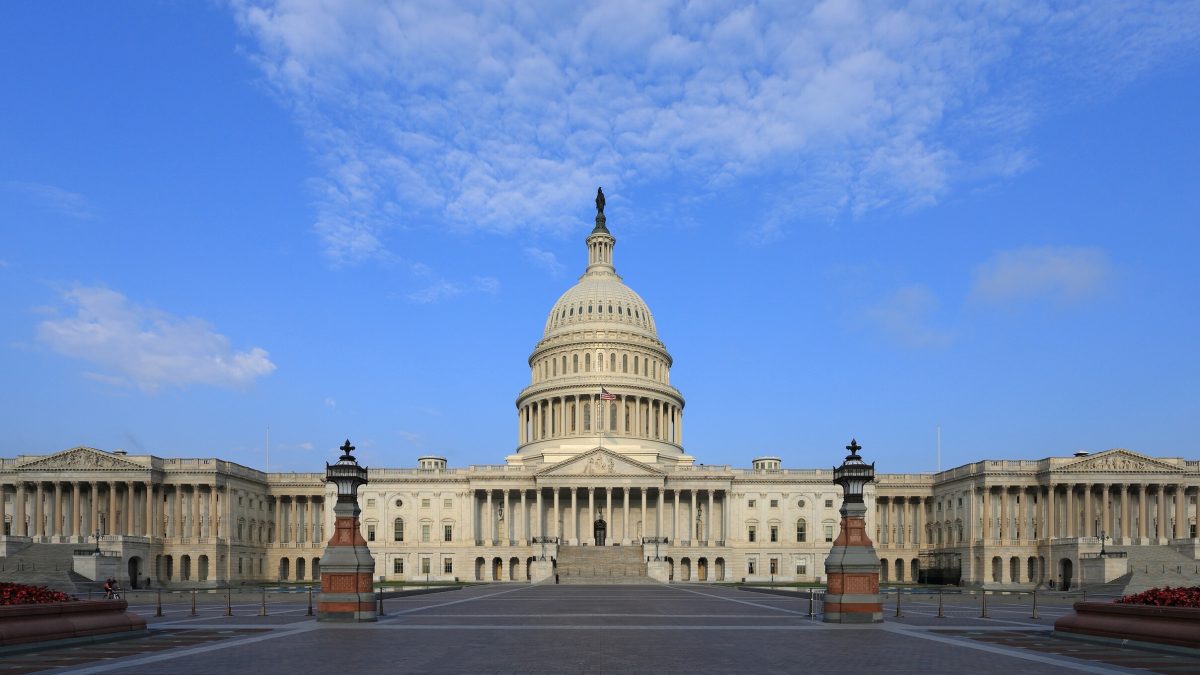
Image: The US Capitol, Washington (file photo). Photo by Martin Falbisoner via Wikimedia Commons, CC BY-SA 3.0.