
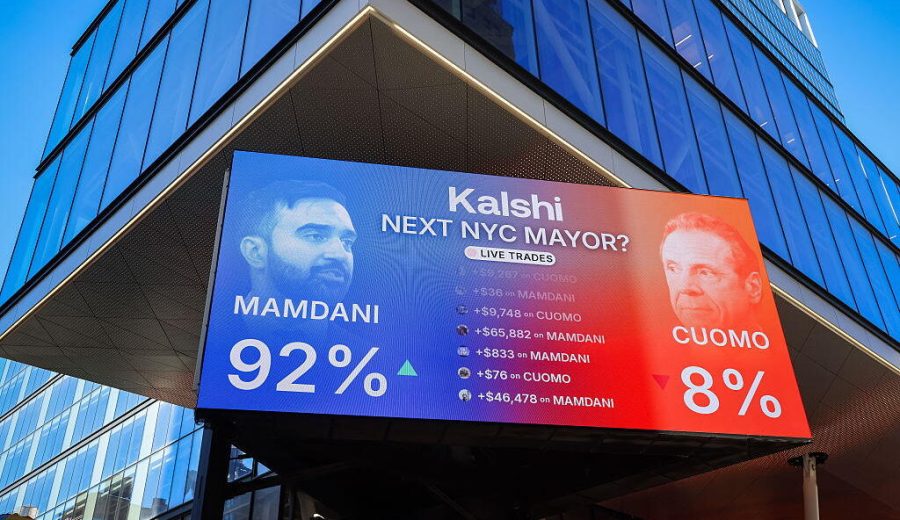
Arizona is attempting to shut down Kalshi, America’s leading prediction market platform, in a dispute centered on regulatory authority and online gambling classification. The case raises critical questions about whether prediction markets should be regulated as gambling or legitimate financial instruments. This $50 million question could reshape how states oversee emerging prediction market platforms nationwide.
Kalshi’s explosive growth in election betting triggers criminal charges that could reshape the entire industry
Three months ago, Kalshi executives were popping champagne after winning their courtroom battle against federal regulators. Today, they’re hiring criminal defense attorneys.
The timing feels like a cruel joke the market gods crafted themselves. By Monday evening, the platform that just spent millions fighting Washington bureaucrats to let Americans bet on elections faces criminal charges in Arizona. The timing is striking. Kalshi poured cash into the fight and now watches prosecutors move in. That move feels like a punch to the gut.
But Arizona prosecutors slapped Kalshi with criminal charges, accusing the company of running an illegal gambling ring. An anonymous official says the move reflects a coordinated effort by established gambling interests to eliminate a disruptive competitor before it gets too big to stop — a coordinated effort. The official points to Kalshi’s monthly trading volume of roughly 50 million dollars. That is a staggering figure. The math is sobering. For weeks now, Kalshi has defended its model against regulators. Nobody is saying that publicly. The charges threaten the fledgling market.
Yet the story echoes 1904, when the New York Stock Exchange tried to shut down bucket shops that let ordinary people bet on stock prices. Wall Street’s elite could not stomach that competition then, just as traditional gambling interests cannot stomach Kalshi now. The math does not add up. Those bucket shops later morphed into today’s retail trading platforms that opened Wall Street to the masses.
Still, Arizona claims Kalshi broke state gambling statutes by taking bets from local residents on election outcomes. The state ignores that Arizonans already bet on stock trades, commodity futures and currency speculation—activities that involve the same uncertain outcomes. The timing is striking. If prosecutors charge Kalshi, will they next charge Charles Schwab?
Consider the warning from a longtime industry observer who asked to stay anonymous. He called the charges breathtakingly overreaching and said other states will follow if Arizona wins. Nobody is saying that publicly. The source added that this is the last chance to strangle prediction markets in the crib.
If multiple state attorneys general pile on, Kalshi could face criminal battles on several fronts at once. Just hours earlier, the Commodity Futures Trading Commission gave Kalshi a green light for election betting. The math does not add up. Federal approval cannot shield the company from state prosecutions.
Ultimately, prediction markets have outperformed traditional polls in recent elections, aggregating real‑money opinions from thousands of participants. The timing is striking. If state prosecutors deem the whole concept criminal, democracy loses a valuable information source.
This case could determine whether prediction markets survive in America or get strangled by state-level prosecution before reaching their potential. The stakes extend far beyond one company – they encompass the future of information markets in democratic societies.
Kalshi’s election betting platform processes $50 million monthly but now faces criminal charges in Arizona despite federal approval
Source: Original Report