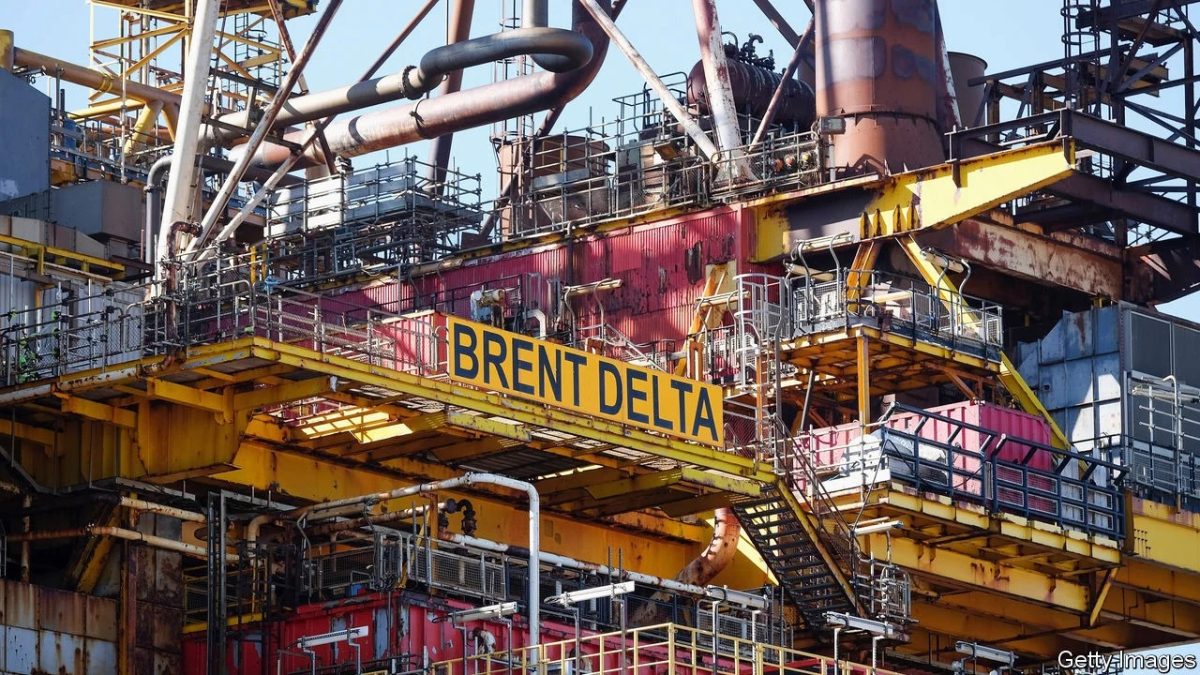
Brent crude rose to about $112.27 a barrel on 22 October, up 3.2% according to the Associated Press, with CBS later reporting $112 to $113, its highest since 18 May. U.S. benchmark crude stood at $99.80, up 2.8%. The move came as Iran’s Revolutionary Guard said it struck four vessels using a shipping route Tehran rejects and that three others hit mines, while Iran’s foreign minister said indirect talks through mediators were continuing. The war that began on 28 February is now squeezing both diplomacy and fuel prices.
The argument that the American pressure strategy is working rests on enforcement and on bargaining. The US reinstated its naval blockade of Iranian ports on 14 July, and CENTCOM said on 22 October that it had blocked $25 billion in Iranian crude exports and, as of 17 October, redirected 138 ships. The Treasury announced sanctions on a Greek law firm and shipping agents tied to Iran’s “shadow fleet.” Secretary of State Marco Rubio thanked Qatar’s prime minister and foreign minister for mediating, and Iranian Foreign Minister Abbas Araghchi said “the negotiating table remains in place” and that Iran would give diplomacy “another chance” if Washington shows sincere intent. Diplomats from Britain, France and Germany and from Turkey, Saudi Arabia, Pakistan and Egypt were due to meet in Istanbul on 23 October, according to AFP. Saudi Aramco chief Amin Nasser said the East-West pipeline’s capacity, bypassing Hormuz, rose from 2 million to 7 million barrels a day.
The argument that the strategy is costly is visible at the pump and in the polls. Brent’s rise to its highest since May hits consumers and importers, and the International Monetary Fund said this month that high energy prices linked to the US-Iran war pose significant risks, particularly for low-income and energy-importing economies. In a Washington Post/ABC/Ipsos poll, seven in 10 said gasoline is becoming unaffordable, and Donald Trump’s approval stood at 33%. Trump says Iran is “making up fake hits, mines, and everything else” to raise oil prices before the midterms, claims CBS says it cannot verify independently, and he said he must “make a final decision” on how to win the war. Trump rejected Iran’s September proposal for a seven-day ceasefire, Araghchi said Washington was seeking to add clauses, and an IRGC official threatened undersea internet cables in the strait if Iranian infrastructure is attacked. Israeli Prime Minister Benjamin Netanyahu said he had directed Israel’s military to topple Iran’s regime, and the Financial Times reported that Trump had blocked a planned Israeli strike operation.
The stakes reach well past the Gulf. The IMF’s October outlook puts 2026 global growth at 3.1%, and an energy shock is the main risk it names. Washington has even turned to a Russian diesel deal aimed at lowering fuel prices, which Europe says gives Moscow hope in Ukraine, so the Gulf is now tied to the war in Europe and to the 3 November US midterms. Brent’s 3.2% rise and US crude’s 2.8% rise in a single morning show how quickly markets respond to each headline from the strait.
Pressure and talks are running in parallel, and oil markets are pricing the risk that the pressure wins out over the talks.