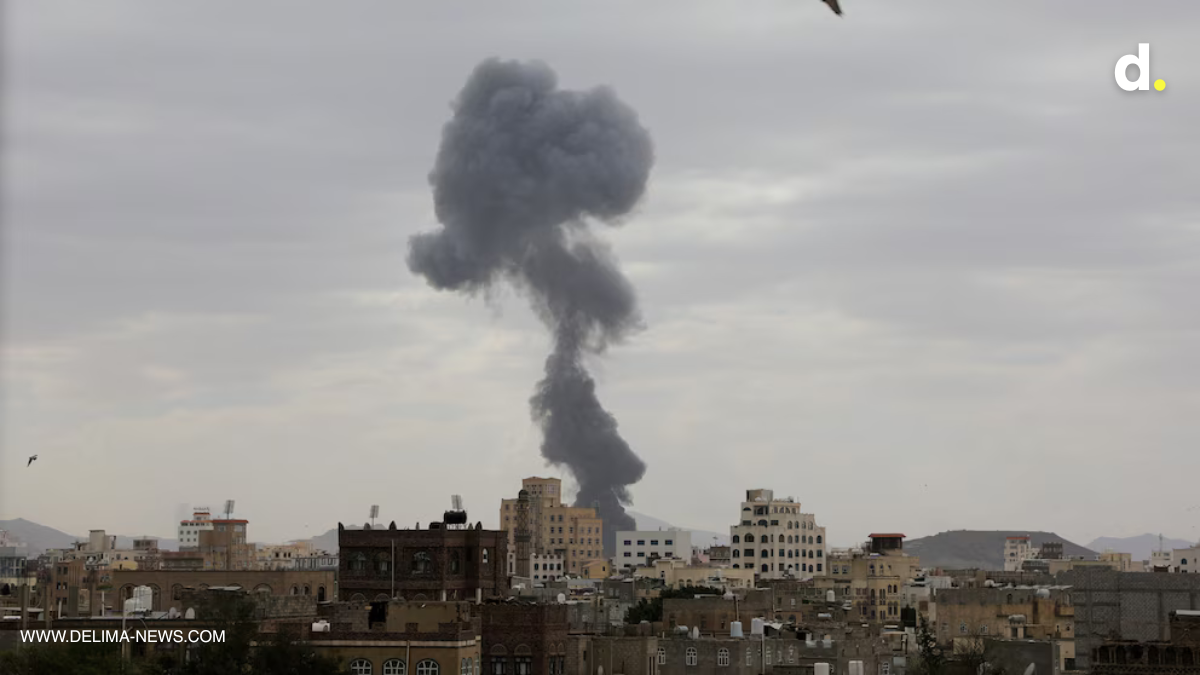
Yemen’s war has re-erupted in recent weeks, with Houthi attacks reaching Saudi cities and fighting flaring around the city of Taiz, according to Al Jazeera and CBS News. A Houthi missile attack on King Khalid International Airport in Riyadh killed 13 people on October 12, CBS News reported, and Al Jazeera put the toll at 13. On October 17, five people were killed at the government palace in Aden, and on October 18, six people were injured in a strike on Najran, CBS News reported. Yemeni government forces said they targeted Houthi gatherings, vehicles and weapons in al-Aqroudh, al-Shaqab and al-Sarari, south of Taiz, and US embassies in the Middle East issued security alerts.
The case that the escalation is externally backed is made by the Saudi-led coalition and by the pattern of the attacks. Major-General Turki al-Maliki, the coalition’s spokesman, confirmed the involvement of “an external state actor” without naming Iran, Al Jazeera reported, while reports cited by the broadcaster say Iran’s Revolutionary Guard provided training, intelligence, tactical guidance and targeting help, and that flights carried officers, drone parts and missile guidance systems. The Houthis took control of Yemen’s Red Sea coastline and the strategically important Bab al-Mandeb strait in September 2026, according to Al Jazeera, and the conflict reignited in July, CBS News reported, within the wider war with Iran that began in February. Together these facts point to a regional escalation. Al Jazeera’s background adds that Hassan Irloo, the Revolutionary Guard’s envoy to the Houthis, was killed in 2021 after a campaign on Marib, which suggests that the alleged Iranian presence in Yemen is not new. The Saudi-led coalition’s statement and the pattern of attacks on Saudi cities, from an airport in Riyadh to the city of Najran, support the view that the escalation has outside backing.
The case that the link to Iran remains unproven is that no one has given public evidence in the cases cited. Iran and the Houthis have denied direct coordination, Al Jazeera reported, and the coalition’s spokesman did not identify the state actor he mentioned. The casualty figures reported so far are limited: 13 dead at the airport, five at the Aden palace and six injured in Najran, and CBS News counted about 20 deaths in recent weeks from various attacks. The Houthis seized the capital Sanaa in September 2014, and the Saudi-led intervention began in March 2015, so the conflict long predates the current war with Iran. That history cuts both ways: it shows that the Houthis have fought for years, but it also means that new attacks do not by themselves prove a new Iranian decision.
The escalation matters for the Gulf and for the world economy because it adds pressure to a region already at war and puts Saudi Arabia, one of the world.s largest oil exporters, under direct attack. The Houthis’ control of the Red Sea coast and Bab al-Mandeb threatens a route that links the Red Sea to the Gulf of Aden, at a time when the Strait of Hormuz is already largely closed. For civilians in Yemen, the return of heavy fighting adds to years of hardship, and the US embassy alerts show concern about further attacks.
Yemen’s war is back, and attacks on Saudi cities have raised the stakes. Whether Iran is behind it is disputed, but the human cost, and the risk to shipping, are already clear.