King Felipe VI is due to visit Ceuta on October 13 and Melilla the day after, his first visit as king to either city. Spain governs both; Morocco claims them. The trip follows a major migration crisis at the Ceuta border in July and brings an old sovereignty dispute back into focus.
Spain’s King Felipe VI and Queen Letizia are due to visit Ceuta on October 13 and Melilla the following day, Al Jazeera reported. It is Felipe’s first visit to either city since he became king in 2014.
The trip follows a major migration crisis at the Ceuta border in July. The long-running dispute between Spain and Morocco over the two cities remains unresolved.
Two Names, One City
In Spanish the city is Ceuta. In Arabic it is Sabta, commonly written Sebta. They are two forms of the same name, which is much older than modern Spain or Morocco.
How It Became Spanish
- Before 1415: Ceuta passed through successive Maghreb and al-Andalus dynasties, including the Umayyad Caliph Abd al-Rahman III, who took it in 931
- August 21, 1415: Portuguese forces under King John I captured the city, ending more than seven centuries of Muslim rule
- 1580–1640: Portugal and Spain shared one monarchy
- 1640 and 1668: when Portugal regained independence, Ceuta stayed under the Spanish crown, and the 1668 Treaty of Lisbon left it in Spanish hands
The Competing Claims
Morocco has claimed Ceuta and Melilla since gaining independence in 1956 and regards them as occupied territory. It also claims several smaller Spanish-held territories on the North African coast.
Spain says its sovereignty is established. Under Spanish law Ceuta is an autonomous city whose statute calls it an integral part of the Spanish nation.
Al Jazeera noted that the dispute is not about who administers the city – Spain does – but about sovereignty. Neither side has accepted the other’s position, and the historical record, with its pre-1415 rulers who were not nation-states, does not settle a modern sovereignty question.
And Melilla
Melilla has a different history: Spanish forces took control of it in 1497, when it was incorporated into the Crown of Castile.
Why the Visit Matters
A royal visit can be read as a statement of sovereignty as well as a ceremony. Residents of Ceuta held a demonstration on September 2 to assert their sovereignty and defend the integrity of their territory. The choice between “Ceuta” and “Sebta” can carry political meaning in the dispute, though using “Sebta” is not automatically a political statement, because it is also simply the Arabic name.
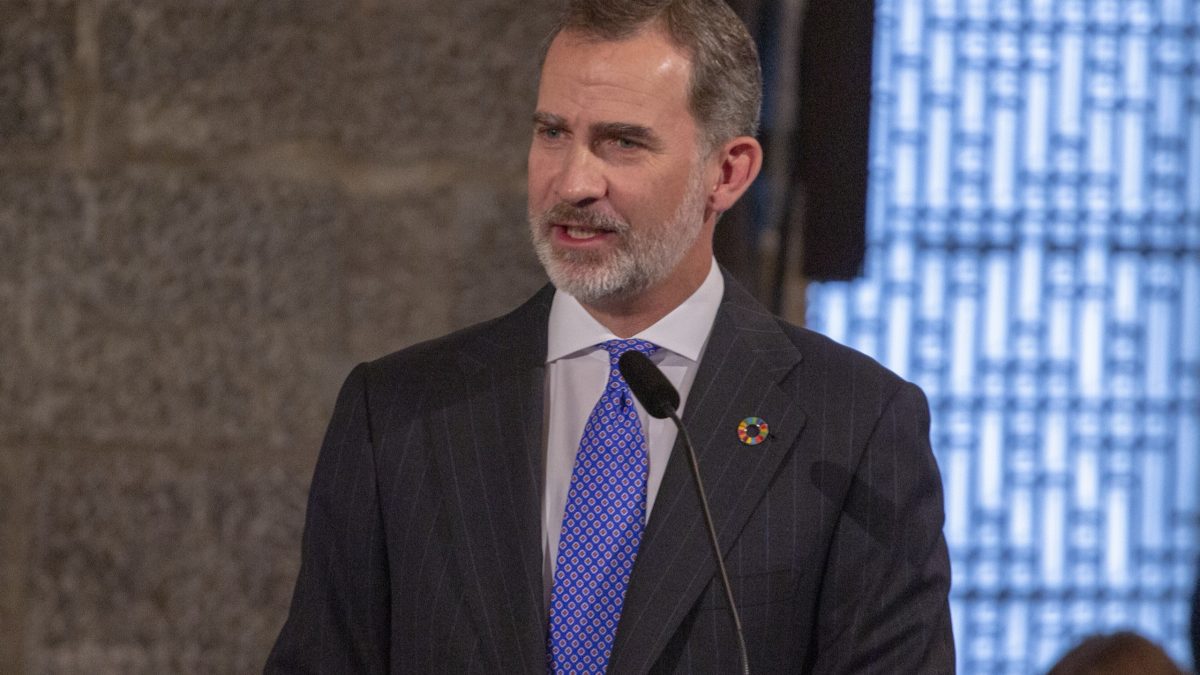
Image: King Felipe VI of Spain at the Charlemagne Prize ceremony in Aachen, May 2019 (file photo). Photo: Olaf Kosinsky / Wikimedia Commons (CC BY-SA 3.0 de)