The Federal Reserve’s latest Survey of Consumer Finances shows nearly 20 percent of US families were behind on loan payments at the end of 2025, up from about 12 percent in 2022. That is the highest share since the 2010 survey, in the aftermath of the financial crisis.
The Federal Reserve reported on Friday, October 9, that families’ ability to stay current on their debts worsened over the past three years, to levels not seen since the aftermath of the global financial crisis, CNBC reported.
The findings come from the Fed’s Survey of Consumer Finances, released every three years. “Families were more likely to be behind on their financial obligations than at any point since the 2010 survey,” the report said.
The Key Numbers
| Measure | 2022 | End of 2025 |
|---|---|---|
| Families behind on loan payments | About 12% | Nearly 20% |
| Families two or more months behind | 5% | More than 8% |
| Families with payments above 40% of income | 6.5% | 8.6% (highest since 2013) |
Wealth and Income
- Average net worth, adjusted for inflation, rose 7 percent to $1.24 million
- Median net worth rose just 2 percent to $215,900, reflecting gains at the top; the top income group’s median net worth rose 31 percent
- Median income, adjusted for inflation, rose 7 percent, while average income fell 6 percent
- Income for families aged 75 and over was strong, while it fell 25 percent for those aged 35 to 44, which the Fed attributed to lower capital gains
The Fed said these patterns suggest income inequality decreased slightly between surveys, and that wealth disparities narrowed somewhat.
A Longer Squeeze
The survey covers a period when the economy kept growing but inflation ran at rates not seen since the early 1980s. Concern about household finances has continued: CNBC noted that a New York Fed survey released earlier this week showed households saying their finances had worsened over the year and were likely to be weaker in the year ahead.
Why It Matters
The survey shows rising strain on household finances even as average net worth rises. Late payments are a warning sign for lenders and for consumer spending.
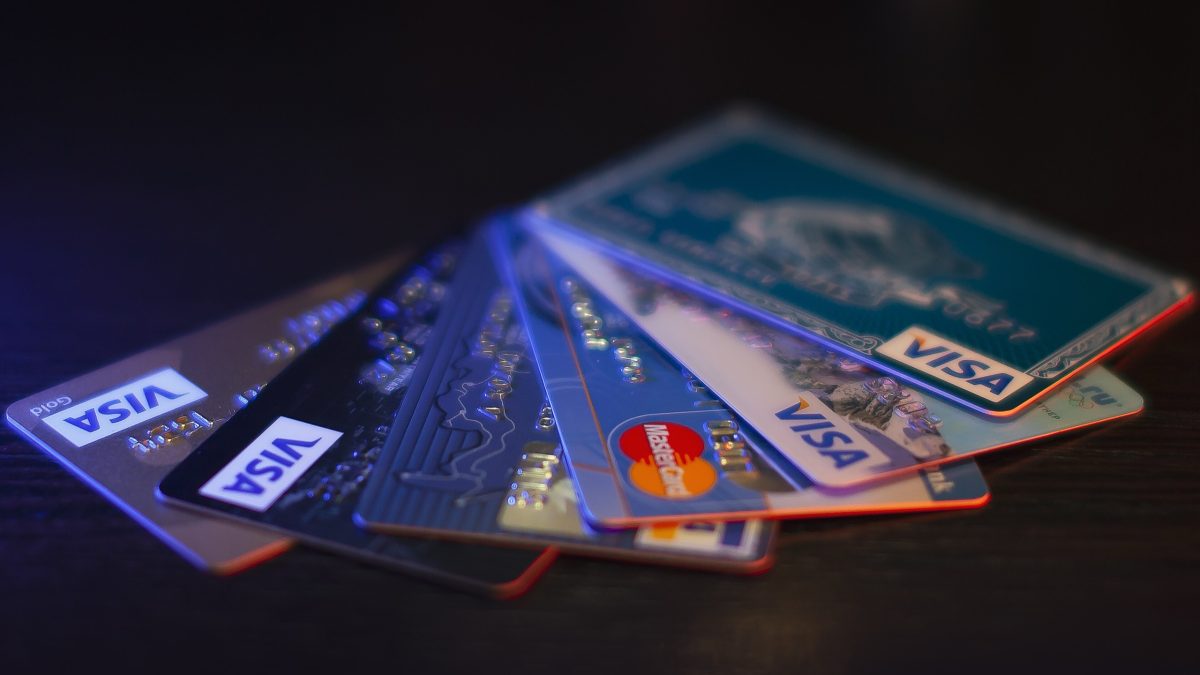
Image: Credit cards fanned out on a dark surface (file photo). Photo: Yuri Samoilov / Wikimedia Commons (CC BY 2.0)