Intel and Qualcomm have raised the prices of their laptop processors, by up to 20% and about 10% respectively, and AMD is reportedly preparing to follow as the cost of advanced chip manufacturing rises.
Intel has raised prices across its PC processor lines since 1 September 2026, with the largest rises, of 15% to 20%, on its high-end Panther Lake models, according to TrendForce. Meteor Lake and Arrow Lake models have risen by 5% to 10%. TrendForce says the increases focus on models with high-end graphics tiles that TSMC makes on its N3E process.
Qualcomm raised prices of its PC processor platforms, including Snapdragon X and X2 Elite, by about 10% from October, according to TrendForce. It cites the increasingly advanced CPU, GPU and neural processing specifications of the chips, which rely on advanced manufacturing processes.
AMD is reportedly preparing price adjustments, but TrendForce says that the size, scope and timing remain unconfirmed. The company is ramping up its Venice processors on TSMC’s 2-nanometre technology, according to the report. Gizmochina and Propakistani headlines say that AMD might be next, and Delima News has not seen a statement from AMD.
The report links the rises to TSMC. It forecasts that the foundry will raise prices in 2027 by 5% to 10% for advanced nodes, 10% to 15% for advanced packaging and 3% to 5% for mature nodes, because of higher raw material and equipment costs. TSMC reported record profit on 15 October, with high-performance computing at 68% of its revenue, as Delima News has reported separately.
Other reports give more reasons. A summary of coverage says that strong AI demand has increased competition for advanced chips, memory and manufacturing capacity, and that processor makers are dealing with higher prices for high-performance memory and storage. A Tech Times headline refers to “laptop shrinkflation”, with specifications cut as prices rise, but the article was not reviewed and Delima News does not describe it.
The cost is passed on to laptop makers. TrendForce says that notebook manufacturers face compounding cost pressures from CPUs, DRAM and SSDs, even though the supply of CPUs has improved in the second half of 2026. The report does not say how much of the cost will reach consumers, or when.
The memory side of the pressure was visible in Samsung’s record profit forecast of 7 October, where higher DRAM and NAND prices lifted earnings, as Delima News reports separately. Higher memory prices help memory makers but add to the costs of device makers.
The rises run against the usual pattern in which chips become cheaper for a given level of performance. The reports present the increases as the result of expensive manufacturing processes and component costs, not of rising demand for laptops. A BigGo Finance headline calls Intel’s rise the third in under a year, but Delima News did not open it, so that count is unconfirmed.
The sources reviewed do not give the price of any particular laptop, so readers cannot tell from them how much more a given model will cost. Delima News will report if AMD confirms increases.
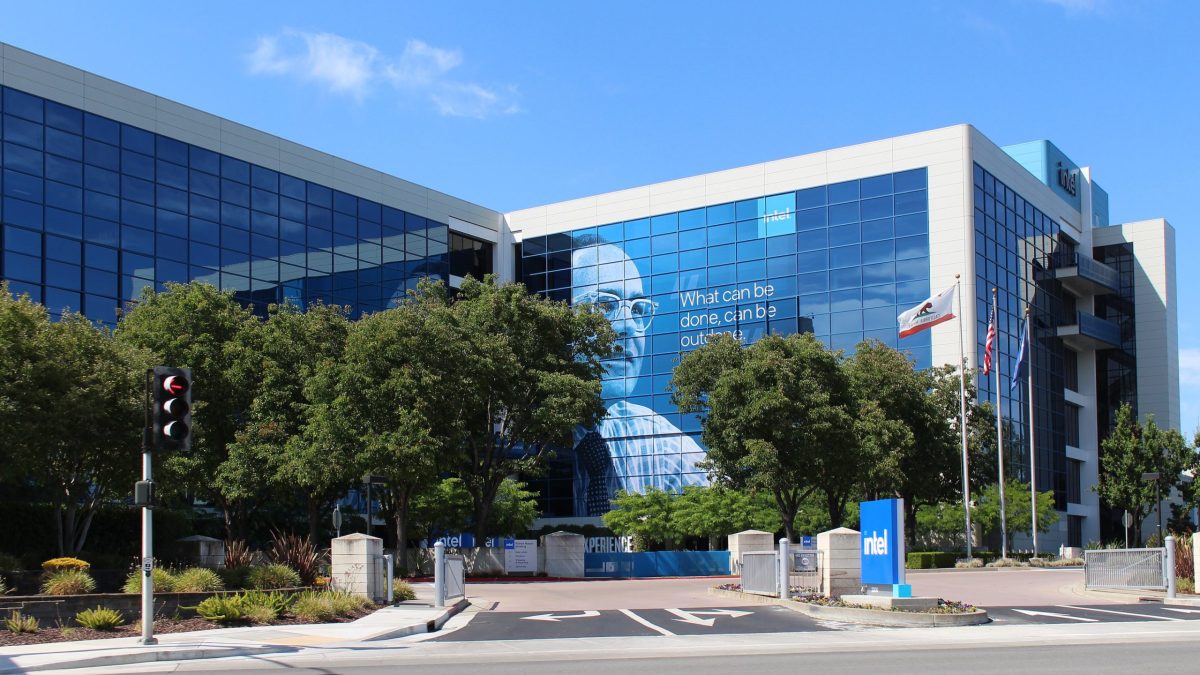
Image: Intel’s headquarters in Santa Clara, California (file photo). Photo: Coolcaesar / Wikimedia Commons (CC BY-SA 4.0)