
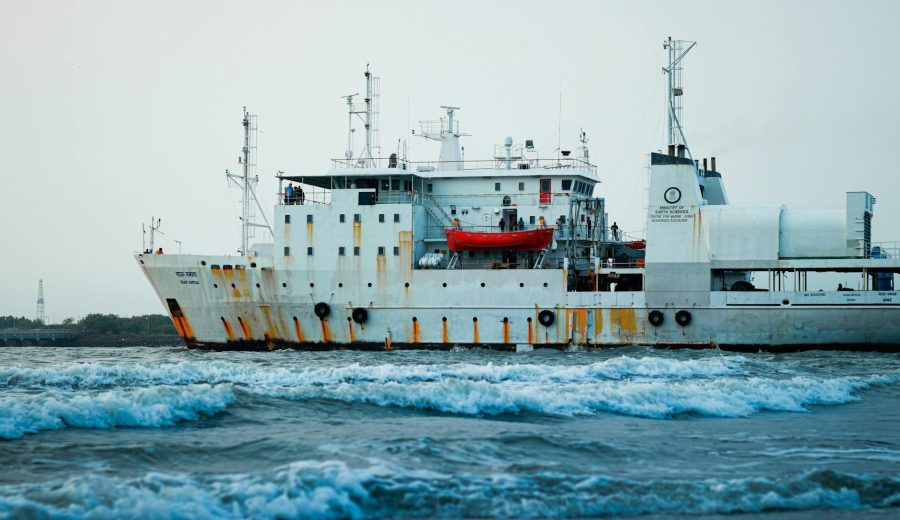
Escalating tensions between Iran and Israel have resulted in 11 Indian merchant vessels being stranded in the conflict zone. The ships are caught in the regional crossfire as military operations intensify, disrupting critical shipping routes. India is coordinating with international partners to ensure safe passage for its maritime assets.
Revolutionary Guards force vessels to wait as Tehran and Tel Aviv exchange fire across volatile shipping lanes.
The aroma of cardamom tea mingles with diesel fumes at the Bandar Abbas port café, where Indian maritime officers huddle over satellite phones, their voices tense with updates from stranded vessels. Eleven Indian ships, including two carrying liquefied petroleum gas, remain trapped in Middle Eastern waters as Iran and Israel trade fire across one of the world’s most critical shipping corridors. What began as routine cargo runs has become a dangerous game of maritime chess. Crews sit caught between regional powers flexing their muscles.
Families reveal the social fabric of India’s maritime community in moments like these. They gather in Mumbai’s shipping district offices, clutching prayer beads and waiting for news from husbands and sons aboard the stranded vessels. WhatsApp groups buzz with messages in Hindi, Malayalam, and English. Wives share updates about crew welfare while children ask when papa will return home.
Economic reality cuts deep behind this human drama. India imports nearly 85 percent of its oil needs — much of it flowing through the Persian Gulf’s narrow waterways. The two LPG carriers alone represent millions of dollars in cargo destined for Indian kitchens and industries. That’s a staggering figure. Every day of delay ripples through supply chains from Delhi to Chennai.
But the numbers tell only part of the story here. Revolutionary Guards chose to hold these vessels as Iran’s calculated response to Israeli strikes. By Tuesday evening, sources confirmed that Iranian naval forces had established communication protocols with the Indian Navy. The message was clear: wait until the storm passes.
Timing strikes at the heart of India’s delicate diplomatic balance. New Delhi maintains relationships with both Tehran and Tel Aviv — a feat that requires constant recalibration. These stranded ships become unwitting symbols of that challenge. India can’t simply demand their release without acknowledging the complex regional dynamics at play.
Yet economic pressure mounts steadily across Indian markets. LPG prices already show signs of strain. Energy ministry officials held emergency meetings Monday to assess supply alternatives. They privately worry that prolonged delays could force India to tap into strategic reserves. The math is sobering.
Revolutionary Guards’ control over these shipping lanes demonstrates Iran’s enduring leverage despite international sanctions. Tehran knows that commercial vessels from neutral nations make powerful diplomatic tools when shipping routes face disruption. The message resonates beyond India’s shores, reaching every country dependent on Gulf energy supplies.
Dynamics shift with each passing hour across the region. Israel’s strikes on Iranian positions mark a new phase in their shadow war. Iran’s response through maritime pressure shows how quickly economic arteries become military targets. The Indian vessels sit precisely at this intersection of commerce and conflict.
Naval officials work around the clock to maintain contact with both the stranded crews and Iranian authorities. Conversations require careful language — acknowledging security concerns while pressing for safe passage. One senior official described it as threading a needle in a hurricane. Nobody’s saying that publicly.
Implications extend far beyond these eleven ships floating in troubled waters. Global shipping rates for Gulf routes already reflect the heightened risk. Insurance costs spike as maritime security companies reassess threat levels. What happens in these waters shapes energy markets and supply chains from Tokyo to London.
Still, the human element remains paramount for everyone involved. Indian crews report adequate supplies and safe conditions aboard their vessels. Revolutionary Guards haven’t interfered with basic operations or communications. This restraint suggests Iran views the ships as diplomatic leverage rather than military targets.
Hours earlier, Indian diplomats reached out through established channels in both Tehran and Washington. They’re walking a tightrope between maintaining neutrality and protecting their citizens. The conversations continue behind closed doors as families wait for news.
Commercial shipping becomes a weapon when regional powers clash this way. Iran knows these delays hurt India’s energy security without crossing red lines that might trigger military response. It’s calculated pressure — applied precisely where it hurts most.
For weeks now, tensions have been building between Iran and Israel. The maritime dimension adds a new layer to their conflict. Every ship that waits sends a message about who controls these vital waterways.
The stranded vessels highlight India’s vulnerability to Middle East conflicts despite its diplomatic neutrality, potentially disrupting energy supplies to the world’s most populous nation. This incident demonstrates how regional powers use commercial shipping as leverage in their broader strategic competition.
Indian vessels wait in Middle Eastern waters as regional tensions force shipping delays across critical energy corridors.
Source: Original Report