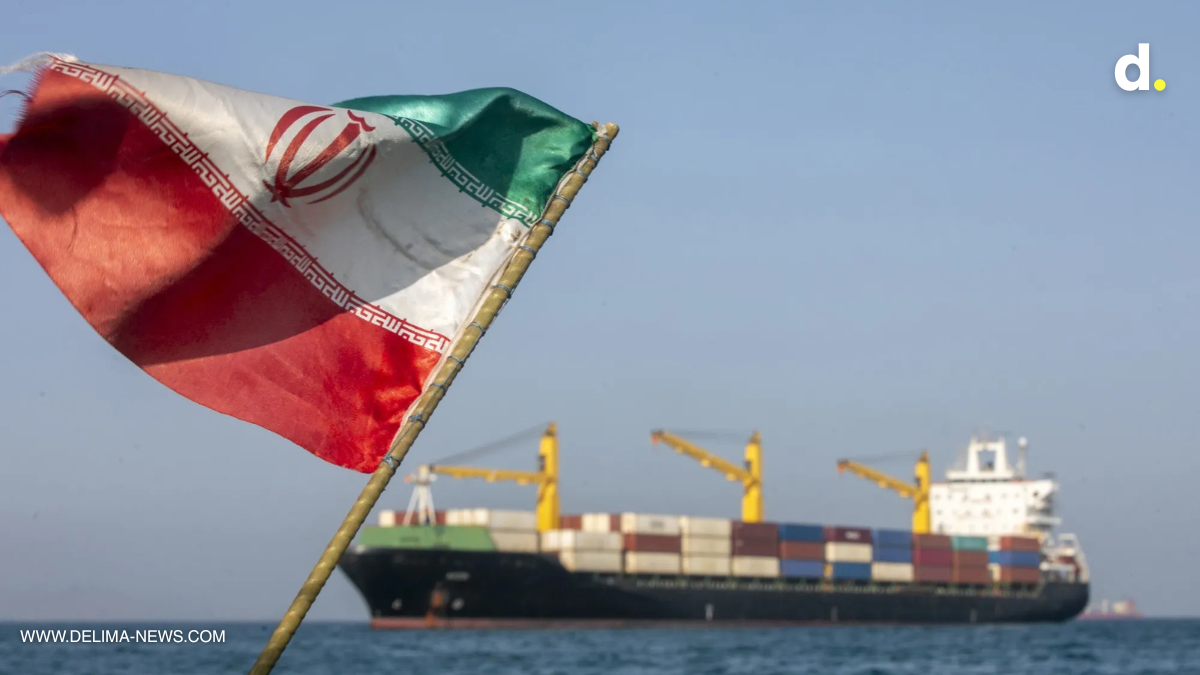
Iranian Foreign Minister Abbas Araghchi said on Sunday, October 18, that Iran’s seven-day proposal to the United States remains on the table and that the Strait of Hormuz would reopen on the sixth day, with negotiations resuming the following day, if Washington complied with Tehran’s conditions, The Spokesman-Review and CBS News reported. The plan was presented in mid-September after an interim ceasefire collapsed. Araghchi said Iran is still reviewing written comments from the United States. The war, which began in February 2026, has kept the strait closed to most traffic, and Araghchi called Iran’s conditions “fair” and achievable “within a few days.”
The case that the plan could end the standoff is that it is specific and brief. It sets a fixed timetable of six days to reopen the strait and a seventh for talks, and it asks for three things that CBS News listed: the lifting of the American naval blockade of Iranian ports, the removal of sanctions on Iranian oil, and a ceasefire on all fronts. The stakes are large for the world economy, since the strait carried about a fifth of global trade in oil and liquefied natural gas before the war, according to The Spokesman-Review. Brent crude has stayed above $100 a barrel, at about $108 on Monday, Reuters reported, so a reopening within a week could ease prices. The United States has also responded in writing, which Araghchi said Iran is reviewing, so contacts continue.
The case that the plan is unlikely to succeed is that the two sides remain far apart. CBS News reported that President Donald Trump rejected the proposal in late September, and Vice President JD Vance has demanded a “meaningful” reduction in Iran’s uranium enrichment, while Tehran says it wants the strait reopened before it discusses nuclear issues. Iran’s security chief has said talks stalled because Washington did not address all of Iran’s conditions, according to reports. Shipping remains dangerous: CBS News counted 23 attacks on shipping since October 1, nearly double the usual rate, and the attacks have continued while the diplomatic exchanges go on, which shows that a ceasefire on all fronts is a demanding condition. CBS News also reported that Trump said the United States would not attack Iran before the midterm elections, so military action is not the immediate threat, but nor has a diplomatic route opened.
The outcome matters for the Gulf region and for energy consumers worldwide. Iraq, Qatar and other producers depend on the strait to export oil and gas, and the war has already cut Iraq’s oil output sharply, according to CBS News, while Qatar’s deputy prime minister warned on Monday that the energy shock has yet to peak. For importing countries in Asia and Europe, a reopening would mean lower fuel costs, and a continued closure would keep prices high. Any breakthrough would also depend on a deal over sanctions and the blockade that both capitals have so far resisted.
Iran has put a concrete offer on the table and the United States has not accepted it. The next days will show whether the written exchanges produce talks or whether the strait stays closed for longer.