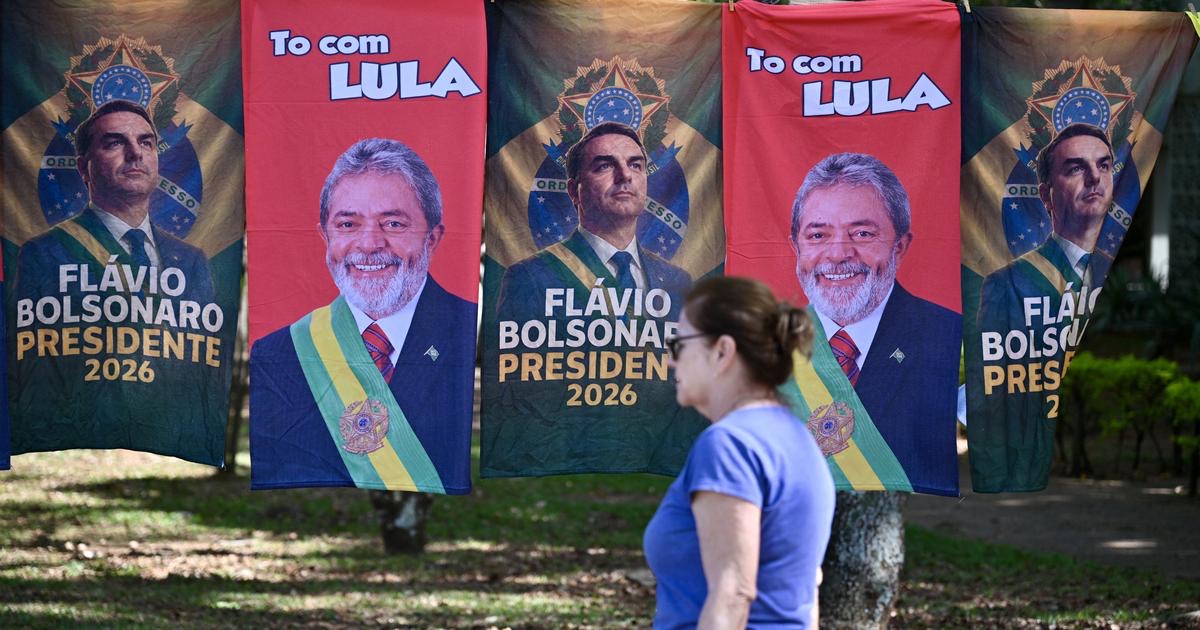
Brazil’s Superior Electoral Court declared Luiz Inácio Lula da Silva the winner of the 25 October presidential runoff shortly after 9pm Brasília time, giving the 80-year-old a record fourth non-consecutive term. He defeated Senator Flávio Bolsonaro, the son of jailed former president Jair Bolsonaro, who had finished first in the 4 October first round. Bolsonaro said it was “impossible to acknowledge the result” and that he would seek an annulment. Lula is due to be sworn in on 5 January 2027. The result raises a plain question: is a narrow win a mandate, or the start of a long dispute?
The case that this is a clear victory starts with the numbers. Lula took just over 51% of the vote and more than 64 million ballots, against Bolsonaro’s 48% and more than 59 million, a margin of more than four million votes, according to Al Jazeera. Authorities called the race with 98.76% of ballots counted. Lula also overcame a first-round deficit: Bolsonaro had won 47.03% to Lula’s 45.16%, a gap of about 2.2 million votes. AtlasIntel’s head, Andrei Roman, said higher-than-expected turnout and lower abstention may have helped Lula. In his victory speech Lula said, “The election was a defeat for denialism,” and Workers’ Party head Edinho Silva called the result “a historic turning point for democracy.” Al Jazeera adds that Bolsonaro briefly led during the Sunday evening count before Lula pulled ahead as results arrived from the northeast, a long-standing Workers’ Party stronghold, while Bolsonaro’s support is concentrated in the south, southeast and centre-west.
The case against calling it a mandate is just as grounded in the record. Polls had shown the two virtually tied, and a Datafolha survey a month earlier had Lula ahead by only two points, inside its two-point margin of error. In the first round, an estimated 33.4 million eligible voters abstained, about 21% of the electorate, the highest rate in a general election since 1998. Voting was extended by two hours to 7pm by Justice Cristiano Zanin after petitions from both campaigns, but some stations had already closed and voters were turned away; Zanin was once Lula’s personal lawyer. Federal Police are investigating alleged transport disruptions in five states. In Minas Gerais, 349 polling locations lost power but kept voting on backup batteries, and a court in Salvador ordered the arrest of the city’s transport secretary over alleged bus service cuts, while Bolsonaro’s campaign asked for more time in areas hit by rain and flooding. Lula himself said, “I do not choose the Congress,” and Al Jazeera describes the incoming legislature as the most right-wing in recent memory.
How this plays out matters well beyond Brasília. Lula framed his campaign around sovereignty and resisting foreign interference, pointing to the 50% tariffs the United States imposed on certain Brazilian products last year and to American comment on Jair Bolsonaro’s trial, in which he was sentenced to 27 years for plotting a coup. Donald Trump, asked whom he wanted to win, said, “I don’t want to get into that, but we are watching.” Al Jazeera’s Monica Yanakiew says the judiciary is “very divided,” so a court challenge could keep the question open for weeks while Lula tries to build a governing majority. Reaction abroad split along familiar lines: Mexican President Claudia Sheinbaum wrote “Long live democracy, the people of Brazil have won,” Donald Trump Jr. suggested judicial malpractice over the extension, and US Representative Ro Khanna wrote that Trump “must respect the results and not undermine Brazil’s elections.”
Lula has won the count, but not the argument. Whether Brazil treats 51% to 48% as settled will depend on the courts, the new Congress and Flávio Bolsonaro’s next move.