
The Pentagon is developing comprehensive deployment plans for potential Iran operations amid escalating regional tensions. Military officials have initiated strategic preparations to address security concerns in the Middle East. These readiness measures reflect shifting geopolitical dynamics and heightened alert status.
US military preparations trigger fresh concerns over Middle East escalation as regional powers reassess strategic positions.
Cardamom tea mingles with cigarette smoke at Café Dijlah in Baghdad, where Iraqi officials huddle over their phones. They’re trading whispers about American troop movements. Pentagon plans for possible US ground deployment in Iran have sent shockwaves through regional capitals, where the delicate balance between reform hopes and geopolitical realities grows more precarious by the day.
Timing couldn’t be more striking here. Just as Tehran’s younger generation pushes for greater social freedoms, American military planners dust off contingency scenarios involving the 82nd Airborne Division. It’s a cruel irony that captures the essence of Middle Eastern politics today.
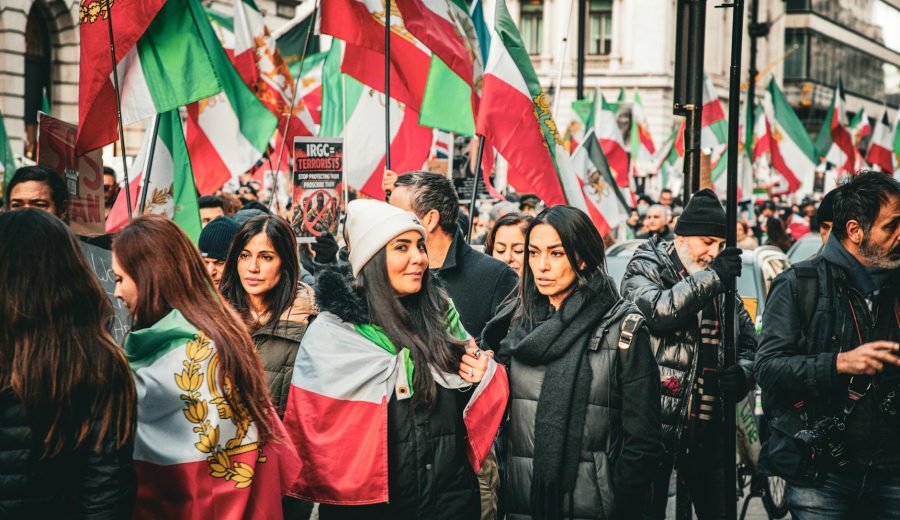
Grand bazaars of Isfahan and coffee shops of Tehran buzz with quiet revolution. Women push boundaries with looser hijabs. Young entrepreneurs launch startups despite sanctions. The social fabric stretches in ways unimaginable just five years ago.
But this cultural awakening unfolds under a sword of Damocles. Every small victory for personal liberty exists within a larger cage of state control. The Islamic Republic’s hardliners watch both their own people and American military preparations with equal suspicion. The timing is striking.
Economic mathematics tell a sobering story here. Iran’s GDP per capita remains roughly half of what it was before comprehensive sanctions took hold. That’s a staggering figure. Oil revenues — the regime’s lifeblood — fluctuate wildly based on geopolitical winds.
Young Iranians joke bitterly about measuring their purchasing power in “pre-crisis” and “post-crisis” eras. They’ve watched their savings vanish while government officials promise better times ahead. Nobody is saying that publicly in Tehran’s government quarters.
Yet the state’s grip remains firm where it matters most. Revolutionary Guard units control key economic sectors. Security services monitor social media with algorithmic precision. The apparatus of control adapts faster than forces of change can outmaneuver it.
Regional power dynamics add another layer of complexity to this puzzle. Saudi Arabia watches nervously as American attention shifts back to direct confrontation scenarios. The Kingdom spent years repositioning itself as a reforming partner rather than just a strategic ally. Crown Prince Mohammed bin Salman’s Vision 2030 depends on regional stability.
Gulf states find themselves caught between competing loyalties again. Abu Dhabi’s carefully cultivated image as a business hub for Iran becomes a liability overnight. Dubai’s Persian business community holds its breath, remembering how quickly regional tensions can shatter commercial relationships.
Chess pieces are moving across the broader board too. Turkey recalculates its delicate balance between NATO membership and regional autonomy. President Erdogan’s government has invested heavily in maintaining dialogue with Tehran while appeasing Washington. For weeks now, Turkish diplomats have worked overtime to keep communication channels open.
Israel’s security establishment likely views the Pentagon preparations with cautious optimism. Prime Minister Netanyahu has long argued that only credible military pressure can force meaningful concessions from Iran’s leadership. By Monday evening, Israeli officials were quietly coordinating with their American counterparts.
Still, the human cost of escalation weighs heaviest on ordinary people. Iranian families who’ve watched their savings evaporate under sanctions now face the prospect of direct military confrontation. Their dreams of gradual reform and opening could vanish in the smoke of conflict.
Cruel mathematics of Middle Eastern politics assert themselves once again. Social progress requires stability. Economic development needs predictability. Yet the region’s strategic importance ensures that external powers will always view it through competition rather than cooperation. The math doesn’t add up for ordinary citizens caught in the middle.
Just hours earlier, as evening prayers echoed across Tehran’s skyline, millions of Iranians wondered whether their quiet hopes for a better future will survive another round of great power gamesmanship.
Pentagon deployment preparations could derail Iran’s gradual social liberalization while destabilizing regional economic partnerships that Gulf states have spent years developing. The timing threatens to transform local reform movements into casualties of broader US-Iran strategic competition.
Pentagon officials coordinate deployment scenarios as regional tensions escalate across the Middle East.
Source: Original Report