President Donald Trump said the United States will not attack Iran at any time before the 3 November midterm elections and that it is having productive discussions with Tehran, while the US naval blockade of Iran stays in place.
President Donald Trump said in a post on Truth Social that “we are having productive discussions with the Islamic Republic of Iran. We will not be attacking Iran at any time prior to the midterm elections,” according to Al Jazeera, which dates the post to 9 October. The US news reports of CNBC and others date the statement to Thursday, 8 October, and say he added that the naval blockade of Iran would remain in place and that Tehran would not be allowed to obtain a nuclear weapon.
The statement reversed an earlier position. A search summary of the coverage says that the day before, Trump had said he did not want a deal with Iran and had reportedly weighed strikes before the election. The same summary says that support for the war has waned among Americans and has pushed up gas prices during an election season dominated by affordability.
The war itself began in late February. An ABC News report from August says that Trump announced “major combat operations” against Iran on 28 February 2026 and that the opening strikes were carried out jointly with Israel against military, government and infrastructure targets, and the New Arab also dates the start to late February. The Strait of Hormuz has been a main flashpoint since then, which Delima News has covered for its effects on oil.
On the Iranian side, Foreign Minister Abbas Araghchi said Iran would respond within the next few days to the US position, according to Al Jazeera. The report adds that Iran proposed a seven-day plan to reopen the Strait of Hormuz and that Iranian media reported massive explosions there on Friday. Vice President JD Vance demanded that Iran reduce its uranium enrichment capacity meaningfully, according to the report.
The channels of contact are indirect. In August Araghchi said that messages were being passed through intermediaries, and he rejected the word negotiations, while Trump described it as semi-negotiating, according to ABC News. The same report says Araghchi alleged that the US continued to violate a memorandum of understanding from June and said that formal talks could not resume until that stopped and the US paid compensation. That report is from August and may not describe the present position.
Violence continues at sea and in the region. The New Arab reported on 15 October that two ships sank near the Strait of Hormuz, one hit by a projectile and the other by a sea mine, without giving names, flags or casualties. It also says that the US military has developed strike plans that could include the GBU-43/B, known as the mother of all bombs, against Iranian energy infrastructure and nuclear sites, and that Iran vows to prepare for war while seeking diplomacy.
Oil markets reacted to the statement. According to Al Jazeera, oil prices fell on Friday following Trump’s announcement, reversing the increases of Thursday, and analysts suggested that the comments were aimed at lowering oil prices amid concerns about Middle East supply. On 14 October, Brent was near $105 to $107 a barrel in other reports, as Delima News has reported.
The announcement ties military timing to the election calendar, which some commentators noted. An Al Jazeera analysis headlined the question of whether Trump is signalling a return to war with Iran after the midterms, though the article was not reviewed. A CNBC report of 13 October, which could not be read, is headlined that Iran reportedly fortifies nuclear sites as it prepares for possible US strikes after the midterms.
The pledge covers the period until 3 November, so the next three weeks will test whether the talks produce anything, and whether the shipping incidents in the Gulf continue.
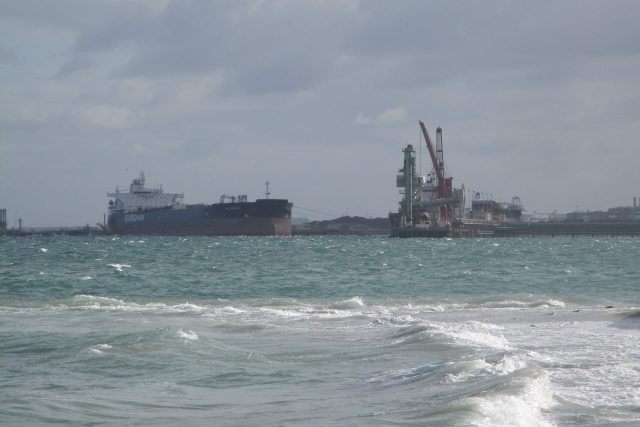
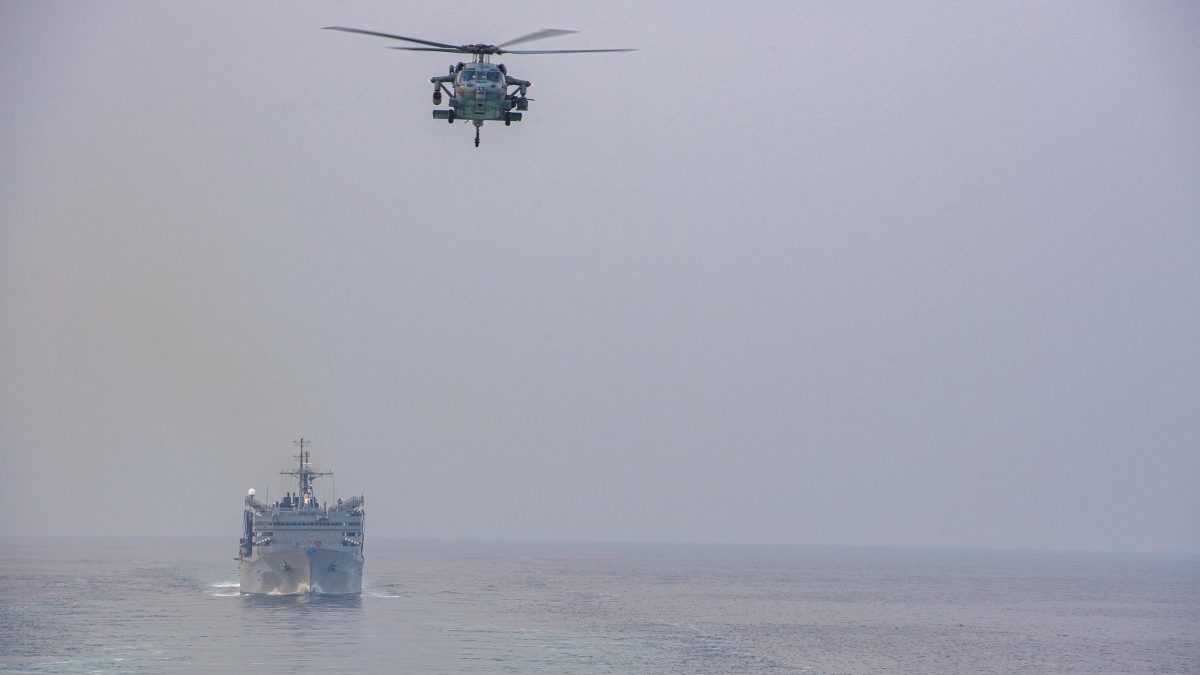
Image: A US carrier strike group transiting the Strait of Hormuz (file photo). Photo: U.S. Navy photo by Petty Officer 3rd Class Janae Chambers / Wikimedia Commons (Public domain)