Anthropic and OpenAI told UK lawmakers on 13 October that AI safety rules should be binding, while Google DeepMind and Meta stopped short of backing a new statutory framework.
Four of the world’s leading AI developers appeared before a UK parliamentary committee on Tuesday, 13 October 2026, and disagreed about whether AI safety rules should be binding, according to MLex and summaries of other coverage. The companies were Anthropic, Google DeepMind, Meta Platforms and OpenAI, and the hearing was held by the Business, Innovation, Science and Trade Committee of the House of Commons.
According to search summaries, the committee’s chair, Liam Byrne, organised the hearing. OpenAI and Anthropic both backed statutory AI safety rules and mandatory incident reporting. Anthropic argued that voluntary promises are not enough, and OpenAI supported a statutory framework, proposing mandatory incident reporting as a starting point and backing an international convention. A tech roundup says that Anthropic’s European representative, Liam Booth-Smith, argued that voluntary commitments are insufficient, and that an OpenAI executive, Tom Duff Gordon, supported binding requirements.
Google DeepMind and Meta took different positions. According to the summaries, Google DeepMind emphasised standards and did not endorse a new statutory framework, and Meta pointed to Britain’s existing regulators instead of calling for a new law, resisting new UK safety legislation, according to the roundup. The MLex article says that the four companies defended different approaches to AI regulation while broadly agreeing on the need for external scrutiny and safety testing.
All four committed, broadly, to giving the UK’s AI Security Institute access to unreleased models as long as they are legally allowed to, according to MLex. A search summary adds that the institute can test advanced models, but its work depends on companies giving it access, and it cannot stop a release that it considers dangerous. The main agenda items were said to be mandatory pre-release testing and liability frameworks.
The hearing came three weeks after the companies signed a voluntary accord in Washington. On 29 September the heads of Anthropic, OpenAI, Google, Meta, xAI and Nvidia signed a White House accord with no penalties, auditor or timeline, as Delima News reported. The positions that Anthropic and OpenAI took in London, in favour of binding rules, echo the contrast noted in that coverage between their public statements and a voluntary pact.
The UK is one of several jurisdictions that are working out how to regulate frontier AI. The sources reviewed do not describe any bill, and a search result headlined that the UK committee invited the labs with no power to compel suggests that the committee has limited powers over the companies, though that article was not reviewed.
Nvidia has also announced a commitment in Britain. A news roundup of 14 October says that the company will commit $250 million over five years to support AI safety and robotics research in the UK, which gives about $50 million a year in computing access to researchers. It is separate from the hearing and was not part of the testimony.
The hearing shows the split among the largest labs. Two of the four, whose models compete directly, told lawmakers that they want binding rules, and two did not, and that difference will matter to any government that is trying to draft such rules, because it will have to decide whether to legislate with the support of some of the industry or against the resistance of others.
The committee may issue a report following the hearing, though the sources reviewed do not say when, and the government has not announced a bill.
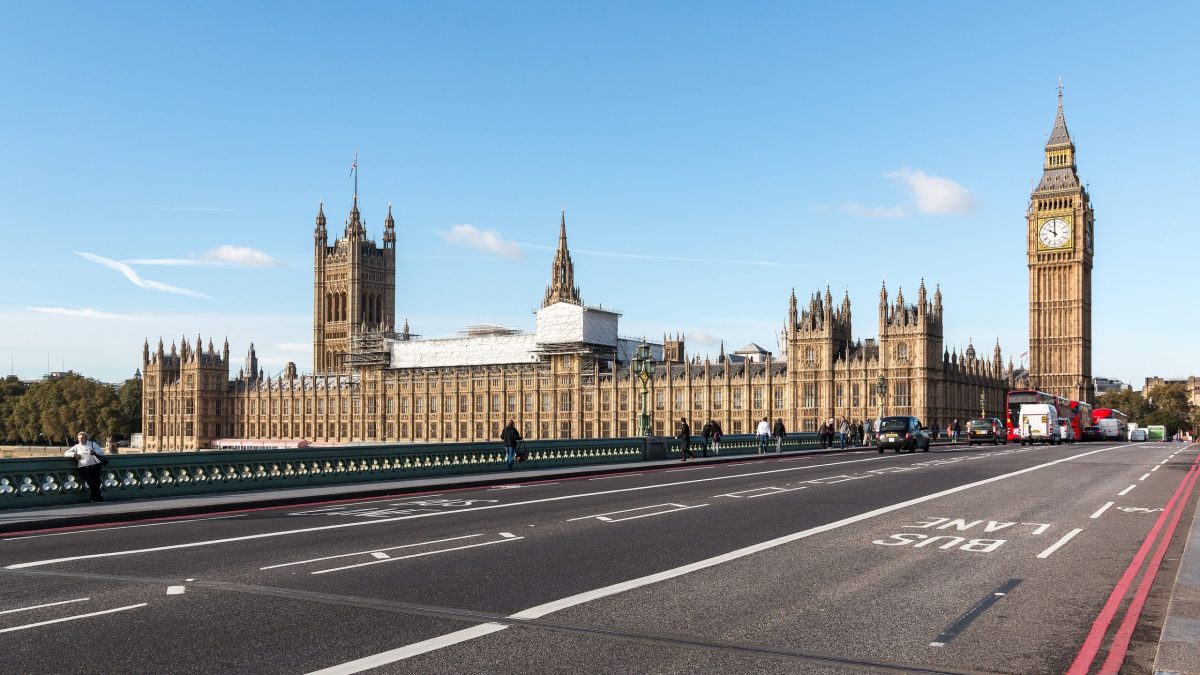
Image: The Palace of Westminster, home of the UK Parliament (file photo). Photo: Dietmar Rabich / Wikimedia Commons (CC BY-SA 4.0)