Suspected cholera cases in Yemen have tripled in three weeks as renewed fighting pushes civilians into crowded, unsanitary camps, the World Health Organization said. Yemen has reported 8,034 suspected cases and 27 deaths so far in 2026, with a quarter of the total in the last four weeks.
According to the WHO, weekly suspected cases rose from 217 in the week of 6 to 12 September to 647 in the week of 27 September to 3 October. The agency said that the surge is linked to the displacement of more than 200,000 people by renewed fighting, many of whom are living in camps with poor water and sanitation.
The outbreak is concentrated in the south-west. Five governorates that host large numbers of displaced people, Abyan, Lahij, al-Dhalea, Taiz and Aden, account for 92 percent of reported cases. The disease has also reached remote displacement camps in Hadramout in the east, which are particularly difficult for medical teams to reach.
WHO Emergency Director Annette Heinzelmann said: “Families fleeing conflict are now facing another threat from diseases that can be prevented and treated.” Cholera is spread by contaminated water and food, and it can be treated with oral rehydration and antibiotics when patients reach care early. Deaths are usually avoidable when treatment is available, which is why access to clinics matters so much in a conflict.
Funding is a central problem. The Geneva-based WHO said it has secured only $3.78 million of the $31 million it needs for a 90-day emergency response in Yemen, which is around 12 percent of the amount required. Without more money, the agency warned, it will struggle to deliver the supplies and teams needed to contain the outbreak.
The cholera surge comes at a time when Yemen is also at the centre of regional tension. The Houthis, who control much of northern Yemen, are fighting a Saudi-led coalition, and this week they launched missiles at Saudi cities, striking the Aramco headquarters in Dhahran. Delima News reports on that attack in a separate article. The WHO statement does not attribute the new fighting that displaced people in the south-west to any one party.
The weekly figures show how sharp the rise is. With 8,034 suspected cases recorded over the first 40 weeks or so of the year, the average comes to roughly 200 a week, so the 647 cases in the week to 3 October were about three times the yearly average, by Delima News’ own arithmetic from the WHO numbers. Because the reports describe the figures as suspected cases, they may include people who were not infected, and the real count could differ.
The figures are suspected cases, which means they are not all laboratory-confirmed, and the true number could differ. Health officials usually rely on suspected cases in outbreaks like this because testing capacity is limited. What is clear from the WHO data is the speed: roughly three times as many cases a week in just three weeks, and a quarter of the year’s total in a single month. Delima News will report any new WHO figures or funding announcements as they appear.
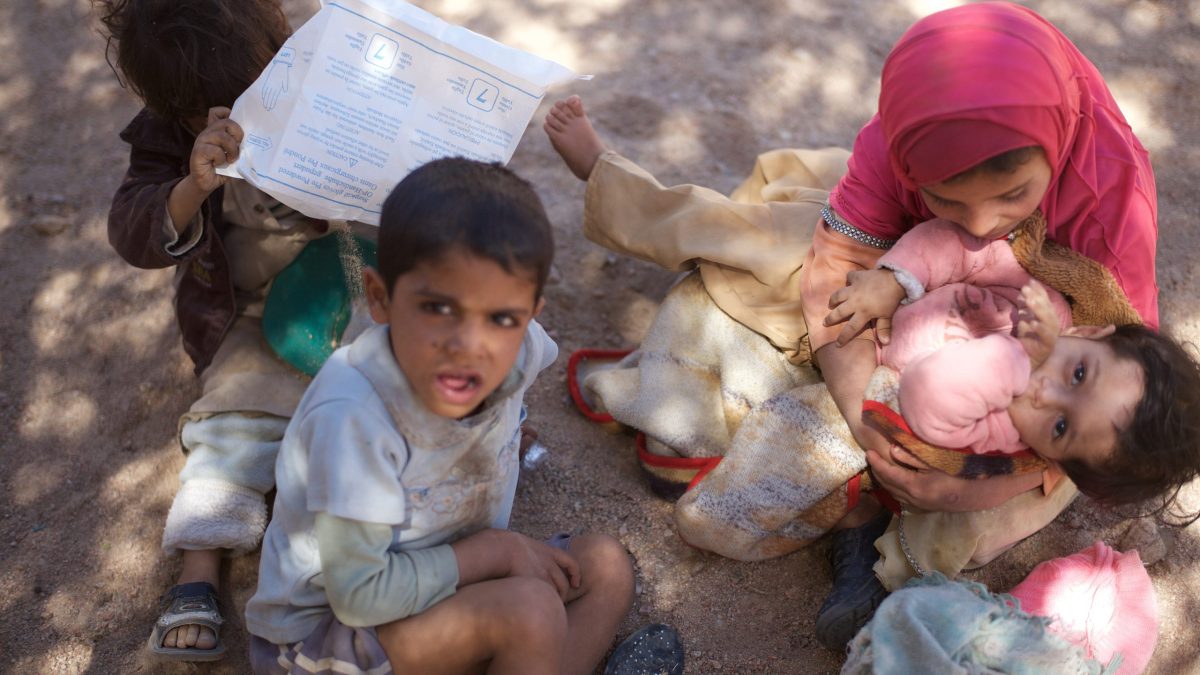
Image: A mobile health clinic in Yemen in 2016 (file photo, not from the events described). Photo: Julien Harneis / Wikimedia Commons (CC BY-SA 2.0)