India has formally objected to remarks by US Vice President JD Vance, who said companies must not replace American workers with “foreign indentured servants”. He was speaking as Washington barred Microsoft, Adobe and six IT services firms from sponsoring H-1B workers for permanent residency. About 70 percent of H-1B holders were born in India.
India has described comments by US Vice President JD Vance about immigrant workers as “deeply offensive”, in an official statement published on Friday, October 9, CNBC reported.
What Vance Said
On Thursday, Vance said the Trump administration wants companies to “employ American workers”.
They “cannot lay off American workers and then replace them with foreign indentured servants”, he said.
He criticised Microsoft in particular, accusing it of replacing 6,000 laid-off workers with people on H-1B visas.
His office did not immediately respond to CNBC’s request for comment.
The Policy Behind It
Vance was speaking as the US Department of Labor announced that it would suspend several companies from its Permanent Labor Certification programme.
That means they cannot apply for permanent residency, the “green card”, for employees on H-1B visas.
The companies named include:
- Microsoft and Adobe
- Cognizant, Infosys, Capgemini, Tata Consultancy Services, Wipro and HCL
Around 70 percent of H-1B beneficiaries in 2025 were born in India, according to official data.
India’s Response
India’s Ministry of External Affairs accused Vance of using “terminology that carries painful historical and colonial legacy connotations”.
“Such descriptions are unwarranted and ignore the fact that Indian professionals in the United States are highly educated and skilled contributors to its economy and innovation ecosystem,” it said.
“Talent mobility adds value to both economies,” the statement added. The suspensions, it said, “do not advance the shared ambitions of both countries”.
Reassurance for Visa Holders
The ministry told Indian citizens that the US measures will not affect the validity of existing H-1B visas, or the status of visa holders and their dependants.
The Industry’s View
NASSCOM, the Indian IT industry body, said Indian technology companies have “significantly reduced their dependence on H-1B visas” in recent years.
A Different Note at Home
Not every Indian minister struck the same tone. Commerce Minister Piyush Goyal said India had never raised the H-1B green card issue with the US, and that fewer work visas would be “good” for India, the Hindustan Times reported.
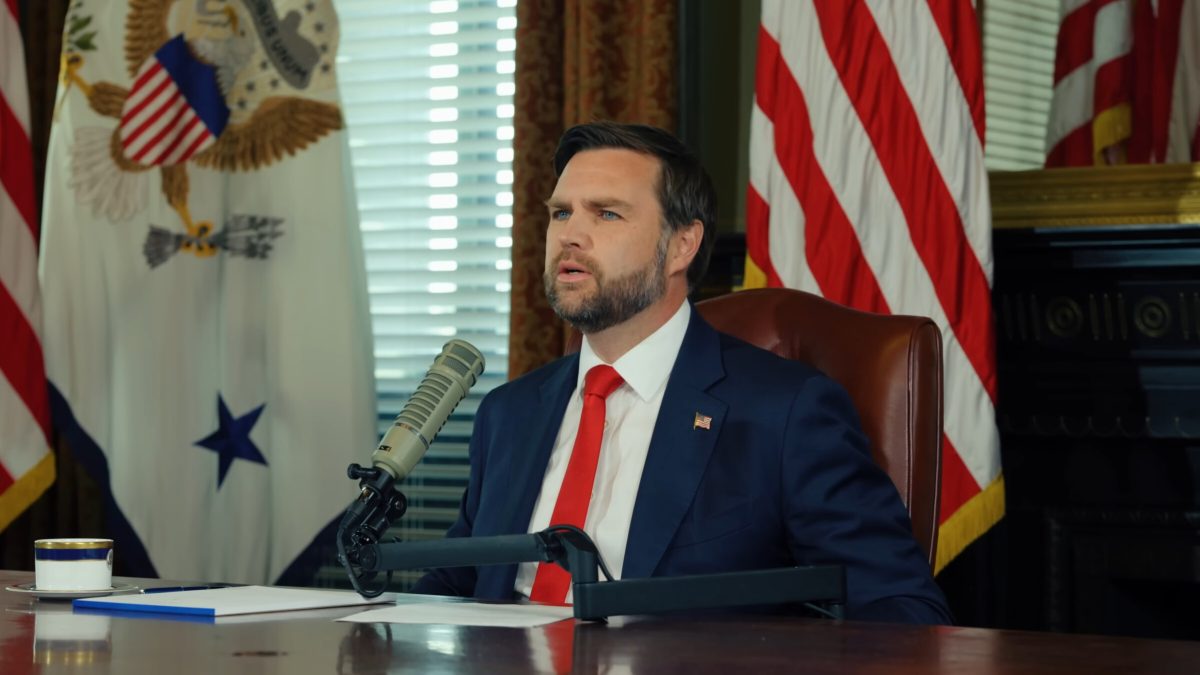
Image: US Vice President JD Vance in September 2025 (file photo). Official White House photo via Wikimedia Commons, public domain.