Kerala is suffering from Flash Floods due to heavy rainfall in the region. What is the procedure and evacuation protocol made to ensure the safety of the people.
Meteorologists say Kerala received nearly three times its normal rainfall within just three days, making this one of the most intense short-duration monsoon spells in recent years. Some areas recorded more than 30 centimetres of rain in less than eight hours, rapidly overwhelming rivers, drainage systems, and reservoirs. Experts attribute the unusually intense rainfall to a combination of monsoon conditions and climate-related weather extremes.
The relentless downpour caused rivers to breach their banks, leading to flash floods that submerged roads, homes, and farmland across central and northern Kerala.
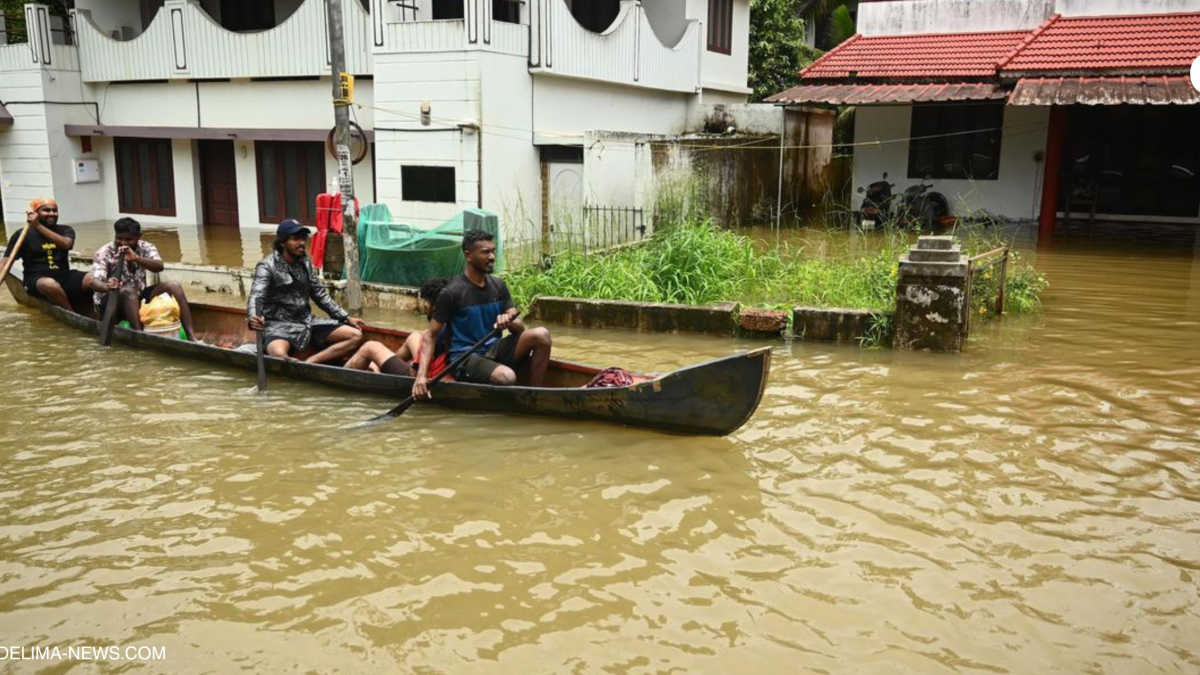
Several districts have experienced extensive flooding, with Pathanamthitta emerging as one of the hardest-hit regions. Overflowing rivers flooded residential neighborhoods, cut off roads, and disrupted transportation. Emergency teams evacuated residents from low-lying communities as water levels rose rapidly.
Northern districts, including Kannur, also witnessed extremely heavy rainfall, while flooding and landslides affected parts of Kozhikode, Wayanad, Idukki, Palakkad, and Malappuram. In some locations, authorities released water from dams as a precaution after reservoirs reached critical levels.
The severe weather has claimed multiple lives through flash floods, landslides, and drowning incidents. Hundreds of families have been displaced from their homes, forcing many to seek shelter in government relief camps.
Schools in several districts have remained closed, while damaged roads and bridges have disrupted transport and delayed the delivery of essential supplies. Farmers have also suffered heavy losses as floodwaters destroyed standing crops and affected livestock, adding to the economic burden on rural communities.
The Kerala State Disaster Management Authority (KSDMA), National Disaster Response Force (NDRF), police, fire services, and local volunteers continue rescue and relief operations across the affected districts.
Boats have been deployed to evacuate stranded residents, while relief camps are providing food, drinking water, medical assistance, and temporary shelter. Authorities have urged people living near rivers, landslide-prone hillsides, and low-lying areas to move to safer locations whenever evacuation orders are issued.
Although rainfall has eased in some regions, the IMD continues to warn of heavy showers, thunderstorms, lightning, and localised flash floods in parts of Kerala. Weather alerts remain in place for several districts, and officials are monitoring river levels closely as saturated soil increases the risk of fresh landslides even if rainfall decreases.
Residents have also been advised to avoid unnecessary travel during periods of heavy rain and to stay updated through official weather advisories.
Kerala’s mountainous Western Ghats, steep river systems, and heavy monsoon rainfall make the state particularly susceptible to flash floods and landslides. Environmental experts warn that deforestation, rapid urban development, construction on vulnerable slopes, and climate change have increased the frequency and intensity of such disasters.
The current floods have also renewed attention on long-pending flood mitigation projects, including river restoration and improved drainage systems that remain only partially implemented.
Emergency responders remain focused on rescue, relief, and damage assessment while authorities prepare for the possibility of additional heavy rainfall. Although floodwaters have begun receding in some areas, many communities continue to face disrupted transport, damaged infrastructure, and the long process of recovery.
The latest floods serve as another reminder that Kerala’s monsoon challenges are becoming increasingly complex, highlighting the need for stronger disaster preparedness, climate-resilient infrastructure, and sustainable environmental planning to reduce the impact of future extreme weather events.
Kerala is a natural wonder, it needs to be protected to ensure that these flash floods are reduced as much as possible and keep the state’s beauty intact.