From the first foldable iPhone to a new generation of Pro models, Apple’s September event could mark one of the company’s biggest product shifts in years — and its new CEO will be the one presenting it.
Apple’s September 9 event arrives at a pivotal moment for the world’s most valuable technology companies. Usually, the annual iPhone launch is about incremental improvements — a faster chip, a better camera, a brighter display.
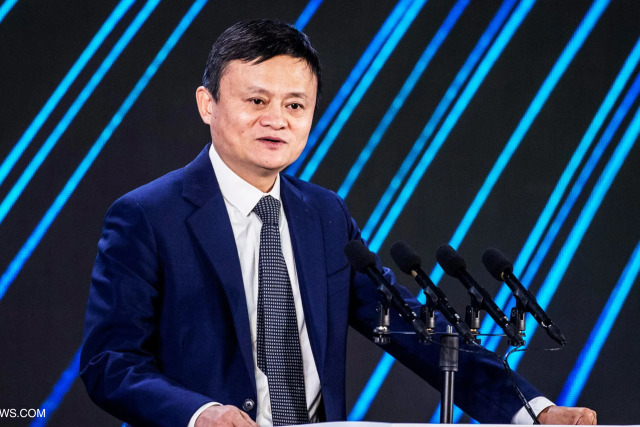
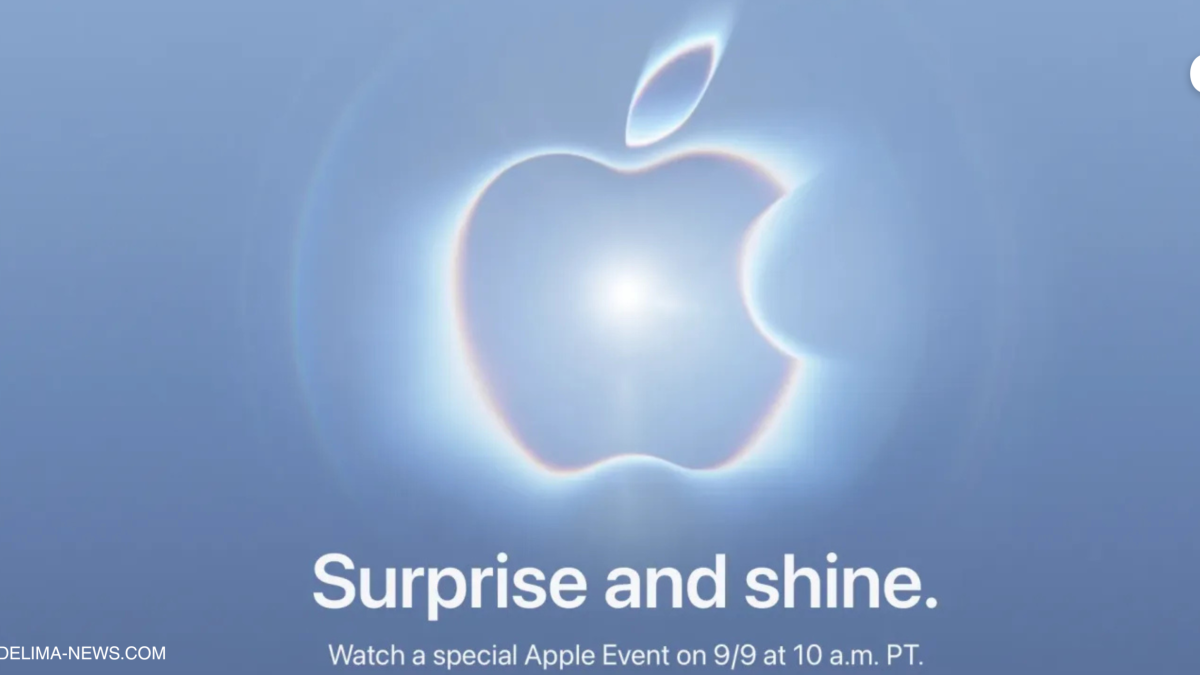
This year could be different. The event, being held at Apple Park under the “Surprise and Shine” theme, will be the first major Apple product launch led by John Ternus as chief executive, just days after he officially succeeded Tim Cook. Cook had led Apple for 15 years, making Ternus’s first major keynote more than a product presentation: it is an early signal of what Apple may look like after one of the longest leadership eras in its history. And the rumours suggest Apple has something considerably bigger than an ordinary iPhone upgrade planned.
The foldable iPhone could steal the show
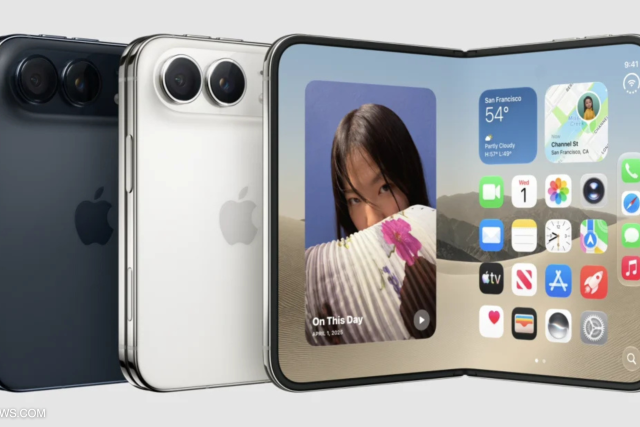
The biggest rumour surrounding the event is also the most consequential. Apple is widely expected to unveil its first foldable iPhone, reportedly a book-style device with a large internal display and a smaller external screen. The product has been rumoured under names including “iPhone Ultra” and “iPhone Fold”, while a last-minute report from Macworld, citing Bloomberg’s Mark Gurman, says Apple may call it the iPhone Duo.
The importance of such a device goes well beyond another addition to the iPhone catalogue. Samsung and Huawei have been competing in the foldable market since 2019, while Apple has stayed on the sidelines, apparently waiting for the technology to mature. Reuters reports that Apple’s foldable could cost more than $2,000, putting it firmly into the ultra-premium segment.
Apple’s challenge will therefore be to convince consumers that its late arrival was deliberate rather than a sign that it fell behind. Rumours point to a passport-like design, a roughly 7.8-inch internal display and a 5.5-inch cover display. Other reports suggest Apple is concentrating heavily on making the crease less noticeable and the hinge more durable. These specifications remain unconfirmed until Apple takes the stage.
iPhone 18 Pro and Pro Max
The other major focus is expected to be the iPhone 18 Pro and iPhone 18 Pro Max. Rumours point towards larger batteries, improved cameras and a smaller Dynamic Island. The Pro models could also receive a mechanical variable-aperture camera system, potentially giving users greater control over depth of field and low-light photography.
A new generation of Apple’s silicon is also expected, with reports pointing to the A20 Pro chip. One of the more interesting rumours concerns Apple’s release strategy. Rather than launching the entire iPhone 18 family simultaneously, Apple could reserve the standard iPhone 18, a new iPhone 18e and a second-generation iPhone Air for a spring 2027 launch.
If true, this would represent a significant departure from Apple’s traditional September strategy. Supply-chain pressures and the rising cost of memory components are reportedly among the reasons for the change.
Apple Watch and AirPods could also appear
The iPhone is expected to dominate the presentation, but Apple may have other hardware announcements. Reports point towards a new Apple Watch Series 12 and Apple Watch Ultra 4, potentially bringing new health and hardware capabilities. A ceramic version of the Apple Watch has also been rumoured.
New AirPods are another possibility. However, one of the more ambitious rumours — AirPods with built-in cameras designed to provide AI-powered visual assistance — may not arrive until 2027. That means consumers should distinguish between products widely expected at the event and longer-term projects that Apple could reveal later.
The AI question hanging over Apple
There is another issue that could be just as important as the hardware: artificial intelligence. Apple has faced growing pressure from Google, Samsung and other technology companies as the generative-AI race has accelerated.
The company has already promised major improvements to Siri and Apple Intelligence, but Apple has struggled to match the pace of some competitors. The September event could therefore offer another opportunity for Ternus to explain how AI will fit into Apple’s next generation of devices. The interesting question is whether Apple will simply make AI another feature of the iPhone — or use its hardware advantage to create a fundamentally different way of interacting with technology.
Why John Ternus matters
Perhaps the most fascinating element of the event will not be a specification sheet. It will be John Ternus himself. Ternus is an engineer who spent years overseeing Apple’s hardware engineering operation. Unlike Cook, whose career at Apple was closely associated with operations and supply-chain management, Ternus comes directly from the company’s product-engineering culture.
That makes the September 9 presentation an unusually symbolic moment.
If Apple unveils its first foldable iPhone, Ternus will effectively be introducing the first major new iPhone form factor of his tenure. The last comparable transformation came with the iPhone X in 2017, when Apple eliminated the physical Home button and introduced a new design language. Reuters has described the potential foldable as Apple’s most dramatic iPhone change since that transition.
More than another iPhone launch
Ultimately, September 9 is about much more than whether the cameras become slightly better or the processor becomes slightly faster. It is about whether Apple is entering a new product cycle. A foldable iPhone would place Apple directly into one of the industry’s most technologically challenging categories. A new Pro lineup could reinforce Apple’s increasingly premium strategy. New watches and AirPods would strengthen the wider ecosystem. And Ternus’s first major keynote could establish the tone of Apple’s post-Cook era.
For years, Apple has been able to rely on the iPhone as the centre of its enormous ecosystem.
Now the company appears to be asking a bigger question:
What comes after the iPhone as we know it? On September 9, the world may get its first serious answer.