Samsung Electronics reported a record operating profit of 107.4 trillion won for the third quarter, about 72 billion euros, up from 12.2 trillion won a year earlier, and warned that demand for the memory chips used in artificial intelligence will continue to outstrip supply. According to the Irish Times, which carried the Reuters report, its chip division earned 106.5 trillion won, almost all of the group total, slightly below the 107.3 trillion won analysts had expected. Samsung said its high-bandwidth memory supply is sold out for next year. Shares opened higher on Thursday but fell by as much as 6.2% in morning trade.
The argument that the boom has further to run comes from Samsung’s own outlook. The company said, “Increasing AI-driven demand will far exceed the industry supply in comparison with 2026”, and it expects the chip market to stay tight through 2028. It has signed long-term supply contracts with 10 major customers and is in talks with 10 more, aiming to cover 60% to 70% of its production capacity by 2030. Capital spending on chips rose 62% to 76.8 trillion won this year, with a further sharp increase planned for 2027, and mass production at its Taylor, Texas plant, which will make chips for Tesla, starts next year. Samsung is also considering a new factory for advanced 2-nanometre chips. SK Hynix, which reported a day earlier, said its DRAM and high-bandwidth memory chips are sold out through 2029 and expects the shortage to last until 2030, and plans to return about $75 billion to shareholders this year.
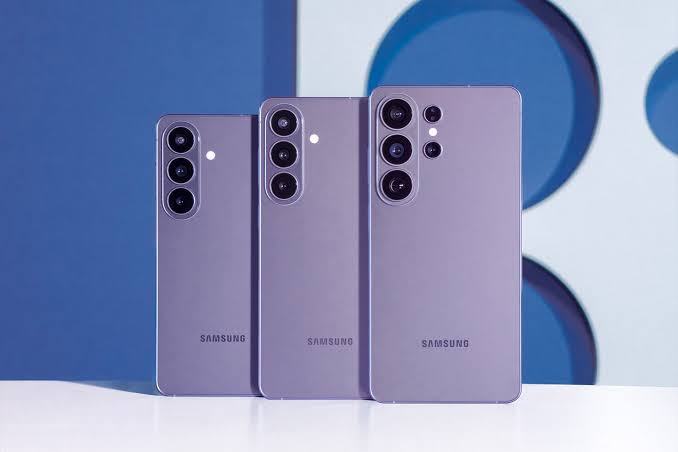
The argument against is that the profit is concentrated and the price of the boom is being paid by other parts of the business. Almost the whole profit came from chips, and Samsung’s mobile division posted an operating loss of 800 billion won because higher memory costs squeezed its margins. The foundry business is still loss-making, although revenue improved on sales of logic dies for high-bandwidth memory and orders for 2-nanometre chips. The company plans 30 trillion won in third-quarter dividends. Investors were also disappointed that Samsung will set its next shareholder-return policy only in January, even though it plans to return 90 trillion to 110 trillion won this year. Morningstar’s Jing Jie Yu said Samsung’s view on how long the shortage would last sounded “marginally less bullish” than SK Hynix’s, and the report attributes the share drop largely to that.
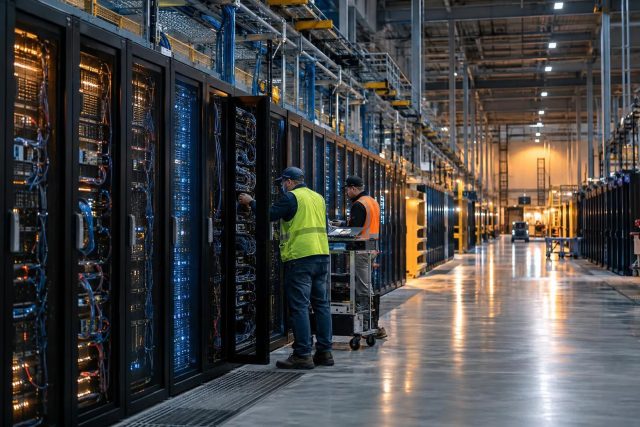
The results matter because memory is now a bottleneck for the entire AI industry. Cloud companies that are spending heavily on data centres need these chips, among them Amazon, which expects about $220 billion of capital spending this year, and Meta, which expects $135 billion to $145 billion, and the manufacturers of phones, PCs and other devices must buy memory in the same market, which is why Samsung’s own mobile division is feeling the squeeze.
Samsung’s record quarter confirms that AI demand is real and large. What investors now want to know is how long the shortage that produced it will last, and what it costs everyone else in the meantime.