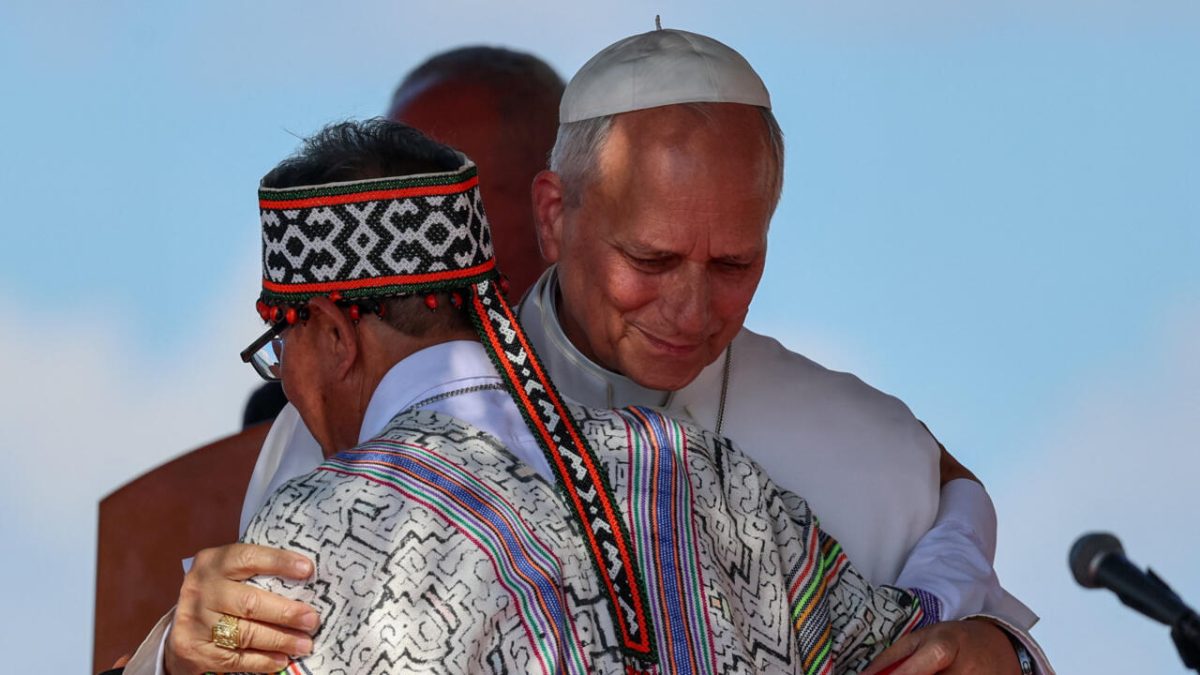
Pope Leo XIV has used the Peruvian leg of his first tour of Latin America to speak about migration, poverty and the destruction of the Amazon, returning to a remote Andean village in his former diocese before travelling to the rainforest to condemn the murders of Indigenous leaders. Speaking in the Amazonian city of Pucallpa on Sunday, the pontiff urged Catholics to oppose the deforestation and pollution caused by gold and oil production and said he supported Indigenous efforts to protect their lands. The visit carried unusual personal weight: although he is originally from the United States, Leo spent about two decades as a missionary and bishop in Peru and is a Peruvian citizen, which is why Al Jazeera has described the Peru stop as a homecoming visit.
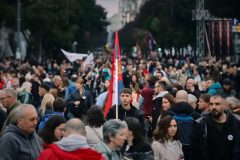
The first emotional highlight came on Saturday, when the Pope flew by helicopter to Santa Cruz de Succhabamba, an isolated village in the Andes mountains of northern Peru. About 6,000 people live in the town, yet the Pope's visit drew a crowd of about 20,000 people, according to the Vatican. At an outdoor Mass he spoke of the "suffering of those who are forced to leave their homeland in search of a better future", which he said had left communities under threat. He also referred to "declining birth rates that are emptying villages" and to the unequal distribution of the land's resources. The town sits within the Diocese of Chiclayo, where he served as bishop from 2015 to 2023 and where, during his tenure, he visited Santa Cruz several times a year to minister to rural people. "It is like a very big dream that the Lord has allowed this servant to come here," the 71-year-old said at a local parish.
The Pope's words resonated with the realities of the region. More than 40% of the population of Cajamarca, where the town is located, live in poverty, the highest figure in Peru, according to official data cited by the BBC. Cajamarca has lost the highest number of people to internal migration, with 729,000 people born there now living elsewhere in Peru. Father Kevin Noriega, who was ordained in 2018 by the then bishop, told Reuters the visit had brought "enormous hope and emotion" to Santa Cruz and that people were eager to see their bishop, "Father Robert" as they used to call him, now as the Holy Father. For a village that has lost so many of its young people, the arrival of the head of the Catholic church by helicopter was a rare moment of attention, and the pontiff used it to emphasise the importance of never losing heart despite life's difficulties.
The second stage of the visit turned to the environment. In Pucallpa, Leo told Indigenous representatives and missionaries: "You know well the damage caused by indiscriminate deforestation and the pollution of rivers and other waters through illegal mining and oil spills." He added: "Many Indigenous leaders have been murdered for defending their territories." Al Jazeera reports that he demanded justice for slain environmental defenders and said he supports Indigenous efforts to protect their lands. The Amazon regions of Peru face mounting pressure from illegal logging, gold mining, coca cultivation and agricultural expansion. The most recent conviction came in August, when four people were jailed for up to 35 years for the 2023 murder of the Indigenous leader Quinto Inuma Alvarado.
The case for the Pope's message is that it brings global attention to problems that local communities say they cannot solve alone. A papal visit can amplify the concerns of communities facing those pressures, and the explicit call for justice for slain defenders puts pressure on authorities to investigate and prosecute. The Pope's reference to illegal mining and oil spills also links the local damage to supply chains that reach far beyond the rainforest, and his call for Catholics to oppose them extends the argument to congregations in wealthier countries. The reception he has received, including a crowd of 20,000 in a village of 6,000, suggests that his words carry weight with many Peruvians.
The case for caution is that moral appeals rarely change economic incentives on their own. The pressures from gold, oil, coca and agriculture are driven by prices and demand that no sermon can alter. The tour has also included difficult moments for the Church itself: Al Jazeera reports that he met survivors of clergy abuse in Peru amid calls for justice. The visit is also taking place against a backdrop of health concerns. The tour began roughly a month after the Pope underwent surgery to remove part of his right lung after a cancerous lump was found during routine checks, and at the start of the trip he said the care he had received made him think of those who "lack the means to obtain a timely diagnosis" or receive treatment.
The trip itself has been long and demanding. The 12-day tour has included stops in Argentina and Uruguay, with Peru the longest stop. Al Jazeera's headlines from the tour report that Leo drew 2.5 million people to a historic Mass in Argentina and held his first Mass in Uruguay, where he urged the crowd to be "bridge builders". He was elected pope in May 2025 and has lived in Peru for long periods between 1985 and 2023, becoming a citizen in 2015, which forged close ties with local communities. After Pucallpa, he returns to Lima before leaving for Rome on Monday, bringing the tour to a close. BBC video showed the Pope riding in the cockpit of a helicopter during the Peru trip, and Al Jazeera reported on his flight to Mass in what it called the "Papacoptero".
What happens next will depend less on the ceremonies than on the follow-up. For Santa Cruz and the many villages like it, the question is whether attention translates into jobs, services and reasons for young people to stay. For Peru's Indigenous communities, it is whether the courts and the government respond to the call for justice, and whether further convictions follow. For the Pope himself, the visit is a chance to demonstrate that his priorities, migration, poverty and the protection of creation, are rooted in places he knows well. If the images of a pontiff returning to the mountains where he once ministered fade quickly, the words he spoke in the Amazon will be remembered for the unusually direct way he named the killing of those who defend the forest.