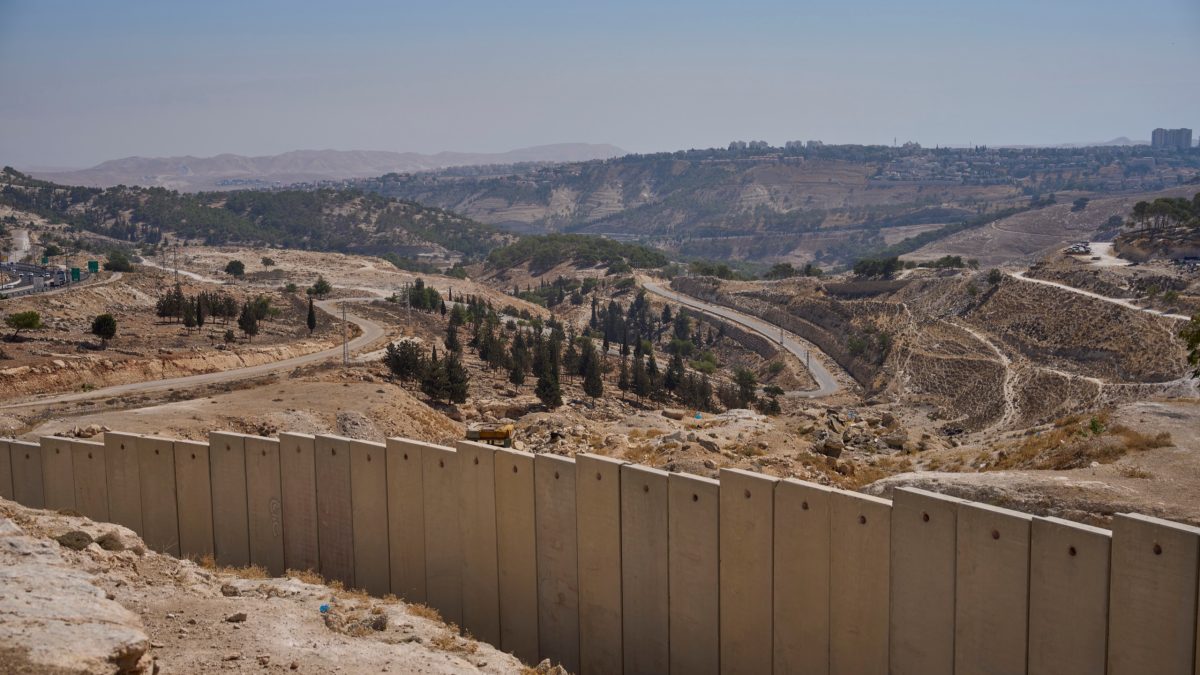
The United Kingdom has imposed sanctions on companies it says are involved in building settlements in the occupied West Bank, in the first package of measures since the government announced a tougher approach to Israeli actions in the territory. The government said the sanctions against eight construction and property development firms would disrupt their flows of finance and their ability to support building in the West Bank. The measures also target Tzav 9, an Israeli activist movement which the UK government says has organised and carried out blockades to prevent aid from entering Gaza. Settlement construction, which is illegal under international law, has risen sharply in recent years, and settler attacks on Palestinians and their property have also surged.
The timing is significant. The announcement came two days before the deadline for bids on construction tenders in the highly sensitive E1 area east of Jerusalem, a plan that has been condemned internationally. The E1 project would in effect divide the West Bank in two and cut it off from East Jerusalem. UK Foreign Secretary Ed Miliband said the development would render a two-state solution "unviable" by "cutting through the heart of Palestine." His message to the companies that might bid was blunt: "do not bid, do not build, and do not profit from the destruction of the two-state solution." By sanctioning firms now, London is trying to raise the financial and reputational risks for any company considering taking part.
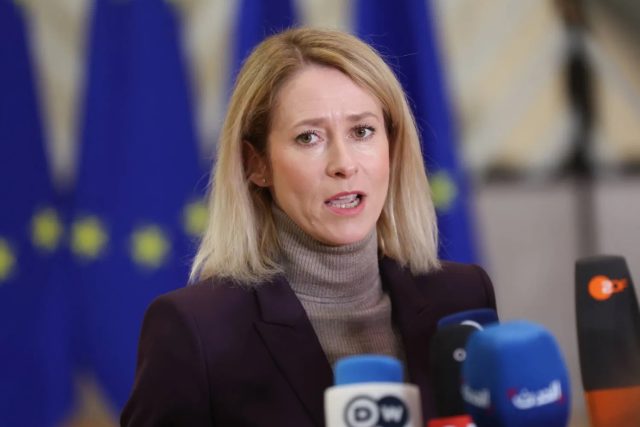
Miliband framed the policy as a matter of principle. "Protecting the two-state solution is the North Star of this government's approach," he said, adding that "the status quo in the West Bank and Gaza is unacceptable." He said the government remains committed to working productively with a new Israeli government and the Palestinian Authority to advance lasting peace and security for Israelis and Palestinians alike. The sanctions come after the UK expanded its human rights sanctions regime last month, enabling the government to sanction individuals and companies involved in violations of international humanitarian law anywhere in the world. The government is also developing separate legislation to ban the import of goods from Israeli settlements and the provision of advertising services for settlement properties in the UK.
The background to the new package is a policy shift announced in September, when the government said it would ban the import of goods from Israeli settlements and act against companies and individuals providing services for settlement expansion. Miliband said at the time that this marked the beginning of a "new approach" to the Israeli-Palestinian conflict which "not only calls out injustice and suffering, but acts." Israel responded furiously and said it would shut the British consulate in East Jerusalem in retaliation. Last month most diplomats left the consulate, which handled UK relations with Palestinians in Jerusalem as well as in the West Bank and Gaza, though the UK insisted the building would not close and would operate as a "UK mission". Supporters of the sanctions argue that statements and conferences have not slowed construction, and that targeting finance is a more effective lever.
Israel's reaction was swift and unambiguous. Foreign Minister Gideon Saar called the sanctions a "hostile act targeting private, law-abiding companies". Writing on X, he said Israel would, as it has in the past, respond with "countermeasures", and that "decisions will be announced in due course". He added that "Israel will not bow to external pressure or change its policies as a result," and that Israel would "consider new ways to strengthen Jewish communities" in the West Bank and "protect those involved in developing and building". Israel has previously condemned UK sanctions linked to West Bank settlements, accusing the Labour government of "systematically acting against the State of Israel". The argument from Israel's side is that private firms are being punished for lawful business and that outside pressure will only harden positions.
Tzav 9 rejected the characterisation. In a response to the announcement, the group said it is "a movement of abiding citizens from all the political spectrum, and we've always protested peacefully." That denial sits against the UK government's claim that the movement organised and carried out blockades to prevent aid entering Gaza. The inclusion of an activist organisation, rather than only companies, signals that London is willing to use its sanctions tools against civil society groups on the Israeli side when it believes they are obstructing humanitarian access, which will likely add to the diplomatic friction.
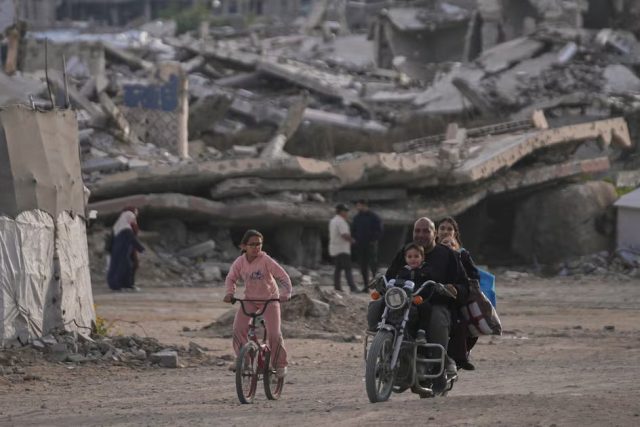
The Palestinian foreign ministry welcomed the move and called on other countries to follow suit. The wider context explains the urgency. Israel has built about 160 settlements housing 700,000 Jews since it occupied the West Bank and East Jerusalem in the 1967 Middle East war, and an estimated 3.3 million Palestinians live alongside them. Settler attacks on Palestinians and their property have surged since the war in Gaza, which was triggered by the Hamas-led attack on Israel on 7 October 2023. The same day the sanctions were announced, the BBC reported that a 72-year-old Palestinian woman had been shot dead by Israeli settlers in the West Bank, according to the Palestinian health ministry, a reminder of the daily violence that has made the issue so urgent for European governments.
The effect of the sanctions will depend on scale and coordination. Eight firms and one movement are a limited target in a sector with many contractors, and a unilateral British package can be circumvented unless partners impose parallel measures. That is why the Palestinian call for others to follow matters, and why the interaction with the E1 bidding deadline will be watched closely: if firms withdraw from the tender, the sanctions will have had a tangible effect, and if bids proceed regardless, critics will say that financial pressure is not enough. Israel's promised countermeasures also create a risk of retaliation against British diplomatic and commercial interests, as the consulate dispute has already shown.
What is clear is that London has moved from words to economic penalties on a question that European governments have long found difficult. The government says its aim is to protect the viability of a two-state solution, and it insists that it will work with a new Israeli government. Israel says the sanctions are hostile and will not change its policy. The E1 tender deadline, the response of other capitals and the nature of Israel's countermeasures will determine whether this first package becomes the start of a wider international shift or an isolated gesture that deepens a diplomatic rift.